
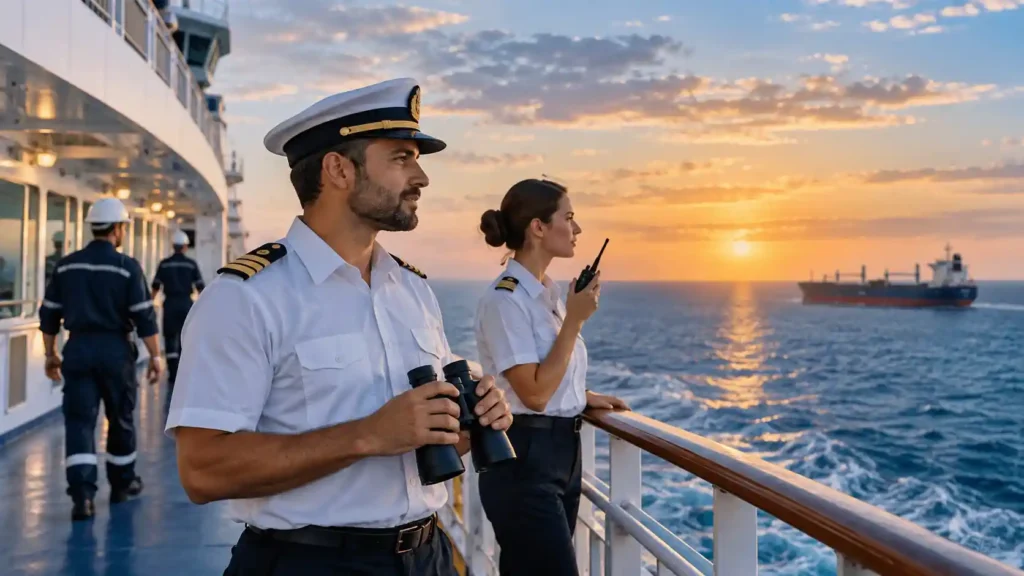
Imagine working while traveling the world, waking up in a new destination, and being part of a close-knit crew at sea. Cruise ship jobs and maritime careers offer exactly this, combining work with travel, adventure, and unique experiences. From hospitality and entertainment roles on cruise ships to technical and operational positions in shipping, careers at sea span many areas. Whether you are drawn to serving guests on a cruise, or to the merchant navy and shipping, understanding maritime careers, the requirements, and how to apply helps you pursue these adventurous opportunities at sea.
Whether you are considering a career at sea, exploring cruise or shipping opportunities, or want to understand life onboard, this guide is for you. We will explore types of roles at sea, the requirements, how to apply, life onboard, and shipping and seafarer opportunities. Throughout, we will keep everything general and informational, and for specific opportunities and requirements, we always recommend applying through official cruise line and company channels and confirming information from official sources.
Why Consider Cruise Ship Jobs?
Cruise ship jobs and maritime careers offer several distinctive advantages that draw many people to sea. Understanding these helps you appreciate what careers at sea offer. From travel to unique experiences to the chance to save money, cruise and shipping roles combine appealing qualities that make them attractive to those seeking adventure and a different way of working and living.
Careers at sea offer distinctive benefits. Travel opportunities are a major draw, as you visit destinations around the world as part of your work. Unique experiences come from living and working at sea, unlike any land-based job. The chance to save money appeals to many, as accommodation and meals are typically provided onboard, reducing living costs. Meeting people from around the world, both crew and guests, offers a rich social experience. And the work develops valuable skills and offers adventure. At the same time, careers at sea involve being away from home, working in a confined environment, and demanding schedules. Understanding both the appeal and the realities helps you consider whether life at sea suits you.
For many, careers at sea offer an appealing combination of travel, unique experiences, and savings potential. Whether you are drawn to seeing the world, the adventure, or the lifestyle, cruise and maritime careers offer much. Understanding the benefits and realities helps you consider whether they suit you. This connects to the broader world of hospitality and tourism jobs, of which cruise ship roles are a distinctive, travel-focused part combining service with life at sea.
Types of Jobs at Sea
Careers at sea span cruise ships and shipping, with a wide range of roles across both. Understanding the types helps you see where your skills might fit. From hospitality on cruises to technical roles in shipping, maritime careers offer diverse opportunities. Here are common types of jobs at sea:
- Cruise hospitality and service: Serving guests in dining, bars, and cabins.
- Cruise entertainment and activities: Entertainment, activities, and guest experience.
- Cruise operations and support: Running the ship’s many functions.
- Maritime and deck roles: Operating and navigating vessels.
- Engineering and technical: Maintaining ships and their systems.
These roles show the range of careers at sea. Cruise hospitality and service roles serve guests in dining, bars, cabins, and more, similar to hotel roles but at sea. Cruise entertainment and activities roles create guest experiences. Cruise operations and support roles run the ship’s functions, from retail to spa to admin. Maritime and deck roles operate and navigate vessels, part of the merchant navy and shipping. And engineering and technical roles maintain ships and systems. Understanding these roles helps you identify where your skills fit among the many cruise ship jobs and shipping jobs available, whether in service, operations, or technical maritime work.
Understanding which type suits you helps you focus. Consider whether you are drawn to cruise hospitality and service, entertainment, operations, or the technical maritime side of deck and engineering roles in shipping. Cruise roles often suit those with service and people skills, while maritime and shipping roles suit those with relevant technical qualifications. Understanding the range helps you find your place. Cruise service roles connect to broader hospitality and service skills, while technical maritime roles relate to specialised seafarer training and qualifications.
Requirements for Cruise and Maritime Jobs
Cruise and maritime jobs have specific requirements that vary significantly by role. Understanding these helps you know what is needed and prepare accordingly. Because work at sea involves particular conditions, safety, and for technical roles specialised qualifications, requirements differ between cruise service roles and technical maritime positions.
Requirements vary considerably by role type. Cruise hospitality and service roles often value relevant service experience, people skills, language abilities, and the right attitude, with some roles accessible to those with hospitality backgrounds. All those working at sea typically need to meet health, safety, and certification requirements for working onboard, including safety training. Technical maritime roles, like deck and engineering positions, require specific maritime qualifications, certifications, and training, as these are specialised, regulated seafarer roles. Understanding the requirements for your target role, whether service or technical, helps you prepare. Because requirements are specific and regulated, especially for maritime roles, checking the exact requirements through official sources is important.
Meeting the requirements is essential for cruise and maritime roles. For cruise service roles, relevant skills and meeting onboard requirements matter. For technical maritime roles, obtaining the required seafarer qualifications and certifications is essential, as these are regulated. Understanding and meeting the requirements for your target role helps you pursue careers at sea. As always, confirming the specific requirements, which vary by role and are regulated for maritime positions, from official cruise line, company, and maritime authority sources is essential.
How to Apply for Cruise Ship Jobs?
Applying for cruise ship jobs involves using official channels and understanding the process. Understanding how to apply helps you pursue opportunities effectively. Because cruise roles are sought after and involve working at sea, understanding how to find and apply for genuine opportunities through official channels helps you navigate the process safely.
Applying for cruise ship jobs generally involves several steps. First, find genuine opportunities through cruise lines’ official careers channels or reputable recruitment partners they use, which is essential for accessing real openings safely. Then, ensure you meet the requirements for the role. Next, apply through the official process, preparing an application that presents your relevant skills and suitability for working at sea. Then, navigate the selection process, which may include interviews and assessments. And prepare for the requirements of working onboard, including any training. Understanding this process, and using official channels, helps you apply for cruise ship jobs effectively and avoid scams that sometimes target those seeking these roles.
Being cautious of scams is especially important with cruise jobs. Because these roles are popular, scams sometimes target job seekers, so using cruise lines’ official channels or their genuine recruitment partners, and never paying fees to secure a job, protect you. Legitimate cruise employment does not require you to pay for a job. Understanding how to apply safely helps you pursue genuine opportunities. Our guides on the job application process and interview tips offer useful general advice. As always, using official channels and confirming legitimacy is essential.
Life Onboard a Cruise Ship
Working on a cruise ship is a unique lifestyle worth understanding before committing. Knowing what life onboard involves helps you decide if it suits you. Because living and working at sea differs greatly from land-based jobs, understanding the realities of onboard life helps you approach cruise careers with realistic expectations.
Life onboard has distinctive characteristics. You live and work on the ship, typically for contracts of several months, with accommodation and meals provided. The work can involve long hours and demanding schedules, as ships operate continuously. You are part of a diverse, close-knit crew from around the world, creating a unique social environment. You visit destinations as the ship travels, though time ashore varies. And you are away from home and in a confined environment for the contract period. This lifestyle offers travel, savings potential, and unique experiences, but also involves being away from home and hard work. Understanding these realities helps you decide if cruise life suits you.
Considering the lifestyle helps you make an informed choice about cruise careers. While the travel and experiences are appealing, the time away, hard work, and confined environment are significant considerations. Whether cruise life suits you depends on your preferences, circumstances, and adaptability. Understanding what life onboard involves helps you decide. For those who suit it, cruise careers offer a unique, adventurous way of working and living. This connects to broader considerations about different work lifestyles and career choices that suit different people.
Shipping and Maritime Careers
Beyond cruises, the broader shipping and maritime industry offers distinct careers, particularly technical seafarer roles. Understanding these helps those drawn to the technical, operational side of working at sea. Shipping and the merchant navy involve operating cargo and other vessels, offering specialised maritime careers that differ from cruise service roles.
Shipping and maritime careers center on operating vessels and the industry that moves goods by sea. The merchant navy and shipping involve deck officers who navigate and command vessels, engineering officers who maintain ship systems, and ratings who support operations. These are specialised seafarer roles requiring maritime qualifications, training, and certification, often pursued through maritime academies and cadet programmes. Maritime jobs offer technical, well-structured careers at sea, with clear progression through officer ranks. For those drawn to the technical and operational side of the sea, rather than cruise hospitality, shipping and maritime careers offer a distinct, specialised path with its own qualifications and progression.
For those interested in maritime and shipping careers, understanding the qualification path helps. Because these are specialised, regulated roles, pursuing the required maritime training and certification, often through cadet programmes or maritime academies, is the route in. Understanding the seafarer path helps you pursue technical maritime careers. This differs from cruise service roles, requiring specialised qualifications, and connects to broader engineering and technical careers, of which marine engineering is a specialised branch at sea.
Cruise and Maritime Opportunities in the Region
For those in the UAE and Gulf region interested in careers at sea, understanding the opportunities helps. The region’s growing cruise industry and significant shipping and maritime sector, given its trade importance, create opportunities. Understanding the landscape helps those pursuing maritime careers explore options connected to the region.
The Gulf region, including the UAE, has a significant maritime and shipping sector, reflecting its importance in global trade and its major ports. The region is also developing as a cruise destination, with growing cruise tourism. This creates opportunities in shipping, maritime, and cruise-related roles connected to the region, as well as pathways to global cruise and shipping careers. For those interested in careers at sea, the region’s maritime importance offers relevant opportunities. This connects to the broader job market covered in our guides on jobs in Dubai and jobs in the UAE, where maritime and logistics are significant.
Pursuing cruise and maritime opportunities involves understanding the paths and applying through official channels. Whether pursuing global cruise roles, maritime careers, or opportunities connected to the region’s shipping sector, using official channels and meeting requirements matter. For those relocating or pursuing international maritime careers, understanding immigration and documentation considerations helps. As always, for specific opportunities and requirements, using official cruise line, company, and maritime authority channels and confirming details from official sources is essential.
Related Career and Field Resources
Careers at sea are one distinctive path among many, connecting to related fields and career resources. Understanding these helps you explore your options comprehensively. Whether you want related fields, help applying, or land-based alternatives, knowing the available resources helps you find the right path in and around maritime work.
Several resources complement careers at sea. For related service and travel fields, our guides on retail and food service careers, aviation and airline jobs, and sales and customer service cover fields that share travel appeal and service skills with cruise work. For those starting out, our guide to entry-level roles is useful. Understanding these resources helps you pursue maritime and related roles.
Careers at sea also connect to technical fields and finding opportunities. Our guides on technical roles that increasingly support maritime operations and skilled trades and logistics cover maritime-adjacent fields. For finding opportunities, our guides on job search websites, recruitment agencies, and how to find a job help. Understanding how these resources connect helps you plan your career comprehensively across sea and land-based options. Whatever your goals, exploring related fields improves your options.
Frequently Asked Questions
What kinds of jobs are on cruise ships? Cruise ships offer hospitality and service roles (dining, bars, cabins), entertainment and activities roles, operations and support roles (retail, spa, admin), and maritime and technical roles (deck and engineering). Many cruise roles suit those with hospitality and service skills, while technical maritime roles require specialised qualifications. The variety offers opportunities for many kinds of workers.
How do I get a cruise ship job? Find genuine opportunities through cruise lines’ official careers channels or their reputable recruitment partners, ensure you meet the requirements, and apply through the official process, which may include interviews and assessments. Be cautious of scams, and never pay fees to secure a job. Using official channels protects you and helps you access genuine opportunities.
What qualifications do maritime and shipping jobs need? Technical maritime roles, like deck and engineering officers in shipping and the merchant navy, require specialised maritime qualifications, training, and certification, often pursued through maritime academies or cadet programmes, as these are regulated seafarer roles. Cruise service roles have different, often less specialised requirements. Confirming specific requirements from official sources is essential.
Final Thoughts
Cruise ship jobs and maritime careers offer the unique chance to work while traveling the world, combining employment with adventure and unique experiences at sea. Understanding the types of roles, the requirements, how to apply safely, life onboard, and the distinct shipping and seafarer paths helps you pursue these adventurous opportunities, whether in cruise service or technical maritime work.
By understanding the field, meeting the requirements, and applying through official channels, you can pursue careers at sea and potentially work while seeing the world. Whether in cruise hospitality or technical shipping, careers at sea offer unique experiences. To explore more career and job-search guidance, visit our homepage and browse the Legal and Government Services section of our blog, and feel free to contact us with any questions. For specific opportunities, using official channels is always the right step.