You stand in the makeup aisle and face twenty near-identical powders. One promises matte skin and another promises a glow. Meanwhile, a third claims it suits every skin tone. So how do you actually pick the right one?
This guide answers that exact puzzle step by step. Specifically, it covers how to choose a setting powder by format, shade, finish, and skin type. In addition, it explains tools, technique, and the mistakes behind cakiness. You will not find a full routine here, though.
Instead, this page stays firmly on powder selection and use. For broader heat-proofing, read our guide to sweat-proof makeup tips after this one. First, let us clarify what setting powder actually does.
What does setting powder actually do?
Setting powder locks liquid and cream products in place. It absorbs surface oil and reduces unwanted shine. As a result, foundation and concealer move around far less. Your makeup therefore lasts longer through a busy day.
In addition, powder softens the look of pores and texture. A light layer blurs small lines without adding heavy coverage. However, powder cannot fix a poorly matched foundation shade. It refines a base rather than replacing it.
Think of powder as the final filter on your base. Too little leaves shine and short wear time. Conversely, too much creates dryness, heaviness, and visible texture. Balance therefore matters far more than quantity here.
Loose powder vs pressed powder: which suits your day?
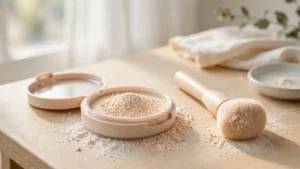
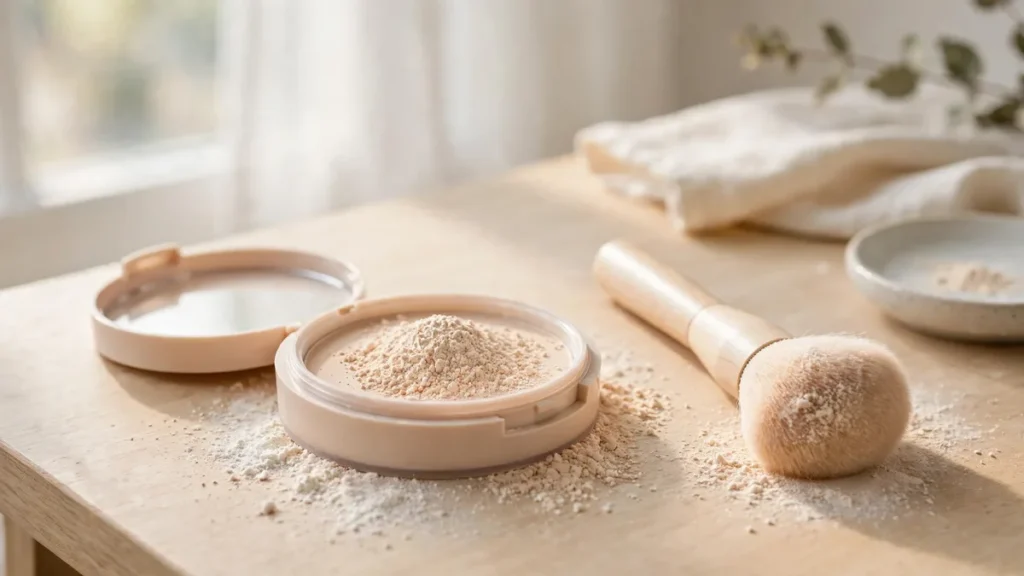
The loose powder vs pressed powder choice shapes your whole result. Loose powder sits in a pot as fine, free particles. Pressed powder, meanwhile, binds those particles into a solid compact. Both set makeup, yet they behave quite differently.
Loose powder usually gives a softer and more blurred finish. It dusts evenly and suits careful home application best. For example, many people prefer loose powder for under-eye setting. It also works beautifully with the baking method described later.
Pressed powder, in contrast, travels safely inside your handbag. You can touch up shine quickly without any mess. Additionally, pressed formulas often add a whisper of extra coverage. That bonus helps on days when your base fades early.
Still, pressed powder can look heavy if you keep layering. Each touch-up adds product on top of oil and sweat. Consequently, blotting first keeps pressed powder looking fresh. Loose at home and pressed for touch-ups suits many people.
Your lifestyle should therefore decide this first choice. Desk days at home favour the control of loose powder. On the other hand, long commutes favour a compact in your bag. Many makeup bags sensibly hold one of each type.
Translucent setting powder or tinted setting powder?
A translucent setting powder adds almost no visible colour. It sets your base while your foundation shade shows through. Therefore, one pot can serve you across summer and winter. It also suits quick, everyday makeup with minimal fuss.
A tinted setting powder, however, carries pigment of its own. That pigment can brighten, warm, or gently correct your tone. For instance, a warm tint can soften a dull, tired look. A deeper tint can also stop a pale cast completely.
Translucent does not always mean truly colourless, though. Some translucent powders leave a faint white or grey cast. This risk rises sharply on medium and deeper skin tones. Testing in daylight therefore protects you from a surprise cast.
Tinted options give you more control over that final tone. You can match the tint closely to your foundation shade. Alternatively, you can choose a tint one step warmer. Either way, you gain a more forgiving and natural result.
So which one should you choose first? Choose translucent if your foundation match already feels perfect. Choose tinted if powders often look ashy or grey on you. Ultimately, your mirror in daylight gives the honest answer.
How do you match powder to your skin type?
Skin type changes everything about powder choice and placement. The same product can flatter one face and punish another. Hence, you should always start with your skin, not trends. Read the two profiles below and find your match.
What is the best setting powder for oily skin?
A good setting powder for oily skin controls shine for hours. Look for a matte finish powder with strong oil-absorbing qualities. Such formulas soak up sebum across the forehead, nose, and chin. They also slow that familiar midday shine breakthrough.
Application matters just as much as the formula itself. Press powder firmly into the T-zone with a puff. Then dust away the excess with a clean brush. This pressing action locks oil down far better than sweeping.
However, avoid powdering your whole face out of habit. Your cheeks may need far less product than your nose. Targeted setting therefore keeps oily skin comfortable and natural. Blot before any touch-up, and your finish stays smooth.
What is the best setting powder for dry skin?
A kind setting powder for dry skin respects fragile moisture. A hydrating setting powder suits this skin type best. It sets the base while soft mineral and humectant ingredients soften dryness. As a result, flakes and tight patches stay less visible.
Placement needs a lighter hand on dry skin, too. Powder only the centre of the face where makeup slips. Leave the outer cheeks almost bare for a fresher look. Indeed, skipping powder on dry patches prevents that papery finish.
Combination skin, meanwhile, can borrow from both approaches. Use a matte powder on the oily T-zone only. Then use a hydrating formula sparingly on the drier cheeks. This split strategy respects both zones at once.
How do you find the right shade for your skin tone?
Shade decides whether powder looks invisible or obviously wrong. Always test powder along your jawline in natural daylight. Indoor shop lighting, in contrast, hides grey and yellow casts. Wait ten minutes, because some powders deepen slightly after settling.
Undertone matters alongside depth when you choose a tint. Warm undertones usually suit golden or warm beige tints. Cool undertones, meanwhile, often prefer soft pink or neutral tints. Neutral undertones can happily use balanced beige shades.
Choosing setting powder for brown skin deserves extra care. Many so-called universal powders turn ashy on deeper tones. Therefore, setting powder for brown skin works best in warm tints. Golden, caramel, and rich warm shades preserve depth and warmth.
Similarly, avoid heavy white-based powders on deeper skin tones. They mute your natural richness and flatten your features. Instead, test tinted options and judge them in sunlight. Your powder should disappear, not announce itself.
Photos reveal shade mistakes that mirrors sometimes hide kindly. So check our advice on flashback further down this page. Then plan your full look around events on things to do in Dubai with confidence. A well-matched powder keeps you camera-ready all evening.
Finishing powder vs setting powder: what is the difference?
The finishing powder vs setting powder debate confuses many shoppers. Setting powder goes on first and locks your base down. Finishing powder goes on last and polishes the overall look. They solve different problems at different stages.
A blurring powder usually belongs to the finishing family. It smooths pores and softens texture as a final veil. In fact, blurring powder often contains light-diffusing particles. Those particles scatter light and hide small imperfections gently.
You certainly do not need both powders every day. One well-chosen setting powder covers most daily needs easily. However, special events and photos reward that extra finishing veil. Choose based on your plans, not on marketing claims.
Setting powder vs setting spray: do you need both?
The setting powder vs setting spray question has a simple answer. Powder controls oil and shine on the skin surface. Spray, meanwhile, melts powders together and refreshes the finish. They work as partners rather than true rivals.
Oily skin usually needs powder as the non-negotiable step. Dry skin, conversely, may prefer spray on lighter makeup days. Many people powder the T-zone and then mist everything. That combination balances hold, comfort, and a skin-like finish.
Order matters when you use both products together. Apply powder first, straight after your liquid base products. Next, mist spray as the very last step. Finally, leave the mist alone until it dries naturally.
What should you check on the label before you buy?
Labels tell you more than glossy claims on the front. First, check the finish words, such as matte, natural, or radiant. Next, check the shade range and undertone descriptions carefully. Finally, scan the ingredient list for your personal sensitivities.
A talc-free powder suits people who avoid talc deliberately. Many modern formulas replace talc with silica or starch. These alternatives still absorb oil and blur the skin well. Therefore, talc-free powder no longer means weaker performance.
Fragrance deserves a quick check on the label, too. Strongly scented powders can bother sensitive skin and eyes. Unscented or lightly scented options feel safer for daily wear. Patch testing a new powder also prevents nasty surprises.
Cost varies widely, so judge value by use, not hype. A large loose pot often lasts many months of daily use. A small compact, however, suits travel and handbag touch-ups better. If you shop in person, our Dubai shopping guide helps you plan the trip.
Packaging also affects your daily experience with powder. Sifter pots control loose powder and reduce wasteful spills. Compacts with mirrors, meanwhile, make public touch-ups far easier. Pick the format that fits your real routine honestly.
How to apply setting powder without cakiness?
Learning how to apply setting powder transforms cheap and pricey formulas alike. Start only after foundation and concealer sit fully blended. Then tap a small amount of powder into the lid. Less product at this stage always beats more.
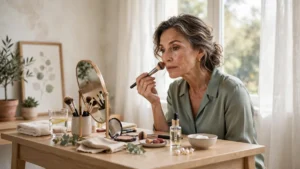
Your setting powder brush should feel large, soft, and fluffy. A good setting powder brush spreads a thin, even veil. Dense brushes, in contrast, pack on too much product. Keep a velour puff nearby for pressing and baking.
Press first, and sweep second, for the smoothest result. Press powder into the T-zone and under the eyes. Then sweep the leftover dust lightly across the cheeks. Always tap excess off your brush before it touches skin.
The baking makeup technique suits big events and oily zones. This baking makeup technique leaves a thicker layer sitting briefly. Your skin warmth sets the base while the powder rests. After five to ten minutes, brush the excess away completely.
Baking can, however, emphasise dryness and fine lines quickly. Use it only under the eyes or on the T-zone. Dry and mature skin should generally skip baking altogether. A whisper of powder gives those faces a kinder result.
Cakiness usually comes from layering powder over unsettled product. It also grows when you add powder over existing shine. Blot first, wait a moment, and then powder lightly. Complete the look with a fresh cut, like the styles in bob haircuts for women, for balance.
Why does powder cause flashback in photos?
Flashback in photos creates that ghostly white face effect. Certain silica-heavy powders reflect camera flash straight back. As a result, flashback in photos appears even after careful application. Your face looks fine in person and pale on camera.
Excess product makes this reflection far worse, unfortunately. A thick layer under the eyes reflects the most light. Therefore, blend edges thoroughly and remove every visible excess. Checking with your phone flash at home reveals problems early.
Tinted powders generally reduce this risk on deeper tones. They reflect less harsh white light than colourless powders. Still, any powder can flash back when applied heavily. Thin layers remain your strongest defence against the effect.
Event days deserve a full rehearsal with your camera. Take flash photos after finishing your hair and makeup. Humidity also frays hair fast, so read about hair fall in Dubai before big plans. Then adjust your powder before the real photos begin.
Day trips test both powder and patience in bright sun. A light touch-up kit handles shine during outings to things to do in Sharjah comfortably. Similarly, partners can keep grooming simple with best haircuts for men ideas. Everyone then looks polished without carrying a full kit.
How do you choose setting powder for humidity in the UAE?
A reliable setting powder for humidity survives sweat and sticky air. Setting powder for humidity needs strong oil control without heaviness. Heavy layers, however, trap moisture and slide much faster. Thin, pressed-in layers therefore win in this climate.
Start your day with powder on the oiliest zones only. Carry a small pressed compact for discreet afternoon touch-ups. Blot sweat gently first, because powder over moisture turns pasty. Then press a tiny amount onto the shiny areas only.
The heat-to-air-conditioning swing also challenges your powder choice. Outdoor humidity pushes oil up through your base quickly. Indoor dry air, meanwhile, can cling to any dry patches. A natural-finish powder often handles both extremes most gracefully.
Evening plans often follow long, humid days here. Touch up once, photograph well, and enjoy your night. Overall, the right powder fades quietly into the background. It supports your plans instead of demanding constant attention.
Your quick powder chooser checklist
Run through this short checklist before you buy anything. First, name your skin type honestly, oily, dry, or combination. Next, pick loose for home control or pressed for travel. Then choose translucent or tinted based on cast risk.
After that, match the finish to your comfort and plans. Matte suits shine control, while radiant suits drier skin. Finally, test your shade in daylight and with flash. That simple sequence answers how to choose a setting powder confidently.
Frequently asked questions
Can you use setting powder without foundation?
Yes, you can wear setting powder over moisturiser or sunscreen alone. It reduces shine and softens the look of pores. However, it adds almost no coverage by itself. Tinted powder gives slightly more evening-out on bare skin.
How long should setting powder last on your face?
A well-chosen powder should control shine for several hours. Oily skin in humidity may need one midday touch-up. Dry skin, in contrast, often stays comfortable all day. Blotting before touch-ups stretches that wear time further.
Is talc-free powder better for sensitive skin?
Many sensitive users prefer a talc-free powder for daily comfort. Still, sensitivity depends on your full ingredient list. Fragrance and other additives can irritate skin as well. Therefore, patch test any new powder before full use.
Does baking makeup technique suit everyone?
No, baking suits oily areas and special occasions best. Dry or mature skin often finds baking too heavy. It can settle into lines and highlight dry patches. A light press of powder suits those faces better.
Why does my setting powder look grey on brown skin?
Colourless and white-based powders often cause that grey cast. Setting powder for brown skin usually needs a warm tint. Golden and caramel tints preserve warmth and depth beautifully. Always judge the shade on your jawline in daylight.
Should you apply setting powder before or after blush?
Apply setting powder first, straight after foundation and concealer. Blush and bronzer then sit smoothly on that set base. Powder over blush can mute its colour noticeably. Conversely, a tiny final dust can soften an over-bright blush.