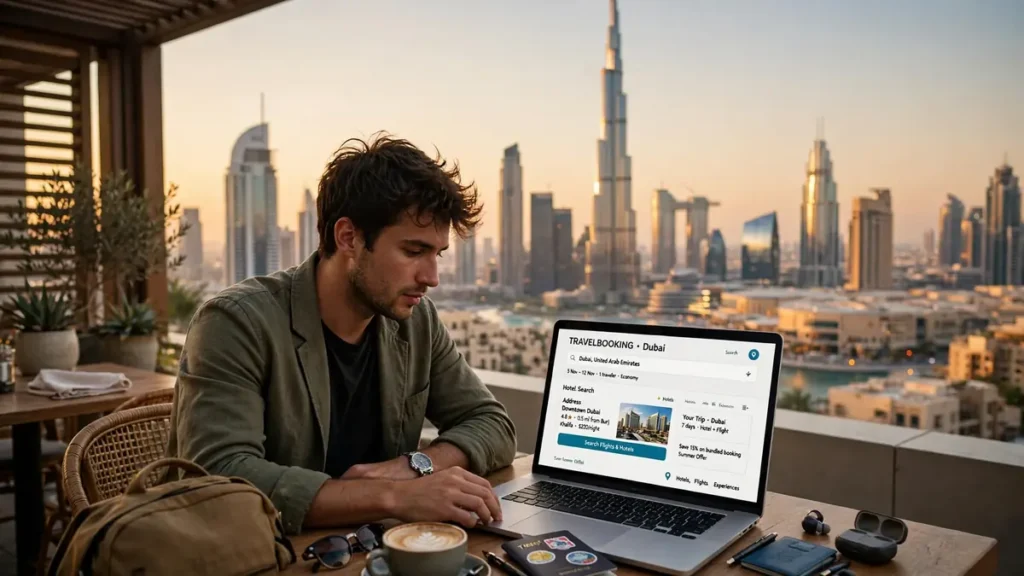
When comparing a desert safari, a hotel, or a flight add-on, travellers in the UAE often move between several websites before making a decision. Useful SEO Strategies help travel businesses appear in those searches, but visibility is only the first step. A clear, credible website gives people the confidence to check details, compare options, and book without feeling they are taking an unnecessary risk.
That confidence matters particularly for travel purchases, where dates, fees, cancellation rules, and service quality can affect a whole trip. Search engines also aim to show pages that are useful and dependable. For a travel company, building trust online is therefore part of serving customers well, not simply a way to improve rankings.
Make essential booking information easy to find
Travellers should not have to dig through several pages to understand what they are buying. Show the full price, what is included, how long an activity lasts, and any important conditions near the booking details. For flights or accommodation, explain which charges may be added and when they appear. A low starting price can attract attention, but unclear extras can undermine confidence at the point of payment.
Use plain language for cancellation and change policies. If rules vary by fare, room, or tour, make those differences visible before checkout. Avoid relying on vague phrases such as “conditions apply” without explaining where the conditions can be read. A traveller planning around school holidays or a short stopover may have little flexibility, so practical details are especially valuable.
Show who is behind the service
A well-designed page is not enough if visitors cannot tell who operates the business. Provide a concise company introduction, accurate contact options, and details about the locations or destinations served. If customer support is available at certain hours, state those hours and the time zone. For UAE-based travellers, clarity about whether help is available locally can make a real difference when plans change.
Trust signals should be specific and verifiable. Relevant licences, recognised industry memberships, secure payment information, and clear privacy terms can all help answer a visitor’s questions. Reviews are useful when they are presented honestly, with enough context to understand the experience. Do not imply that every customer has the same outcome or hide all criticism; thoughtful responses to complaints can show that a business takes service issues seriously.
These are among the practical trust signals that support SEO: they help people assess a company while also making the page more complete and reliable. They work best as part of the customer experience, rather than as badges added only to create an impression.
Publish information that answers real travel questions
Useful content starts with the questions travellers actually ask. A guide to getting from Dubai International Airport to a hotel district, for example, should explain realistic transport choices and relevant considerations—not just repeat a list of keywords. A family planning a weekend in Abu Dhabi may need advice on timings, accessibility, or what to bring. A visitor arriving during a busy period may want to know how far ahead to reserve.
Keep destination pages current. Check opening times, inclusions, transport details, and seasonal information regularly, and date updates where that helps readers. If a detail cannot be confirmed, say so and point the reader toward the appropriate official source without guessing. Accurate, focused pages are more helpful than large volumes of thin content that offer little beyond a location name.
Build a dependable website experience
Many travellers browse on a phone while commuting, waiting at the airport, or making plans on the move. Pages should load quickly, text should be readable without zooming, and booking steps should work on smaller screens. Use clear buttons and explain what happens after a customer submits a booking. An order confirmation, itinerary details, and a usable way to contact support reduce uncertainty after payment.
Security and accessibility also belong in the planning process. Keep software maintained, use secure payment methods, and avoid asking for personal information that is not needed. Make forms straightforward and provide helpful error messages. These measures are not merely technical polish: they affect whether people can complete a booking and whether they feel comfortable doing so.
Plan development around the real requirements
For a business launching an online shop for travel accessories, selling tour packages, or adding more complex booking functions, the website budget depends on what the platform must do. Design, integrations, inventory tools, payment options, and ongoing maintenance can all affect the final cost. Before commissioning work, list the essential features and separate them from improvements that can wait until later.
A cost guide such as Osdire’s breakdown of e-commerce development costs can help businesses understand the factors behind different estimates. Osdire is one place where buyers can compare freelance services across areas including programming, design, and marketing. Whatever route a business chooses, a written scope, agreed milestones, and clear ownership of content and technical access help prevent misunderstandings.
Strong search performance is built through consistent care: accurate information, transparent policies, useful destination advice, and a website that works when a traveller needs it. For UAE travel businesses, those choices can make the difference between appearing in a search and earning a place in someone’s plans.