
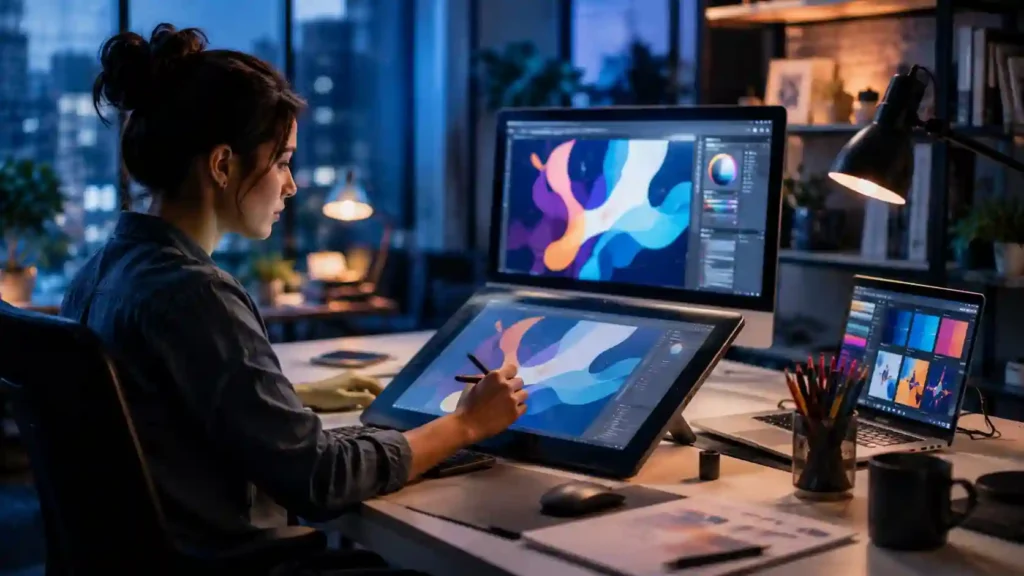
Look at your phone for a moment. Someone decided how it should feel in your hand, how the icons should look, and how the whole experience should flow. That someone was a designer, working hand in hand with technology to create something both beautiful and functional. This meeting of creativity and innovation is the heart of design and technology, a field that shapes nearly everything we see, touch, and use in the modern world.
Design and technology might sound like two separate worlds, one artistic and one technical, but they are deeply intertwined. The best products, apps, and experiences emerge when creative vision and technical capability come together. In this guide, we will explore what design and technology really means, how the two work together, the tools that power modern creative work, the careers available, and why this field matters so much. Whether you are creatively inclined, technically minded, or simply curious, you will discover how these two worlds combine to shape our lives.
What Is Design and Technology?
Design and technology is the field where creative design meets technical tools and processes to create products, experiences, and solutions. It covers everything from designing physical objects and digital interfaces to creating the visual and interactive elements of the products we use. At its core, it is about combining creativity with technical know-how to make things that are both useful and appealing.
The field spans a wide range of activities. It includes graphic design, product design, web and app design, and many other creative disciplines that rely on technology. What unites them is the blend of artistic thinking and technical execution. A designer needs both creative vision to imagine what could be and technical skill to actually bring it to life using modern tools. This combination is what makes the field so distinctive and rewarding.
Sometimes referred to simply as design technology, this area has grown enormously as technology has advanced. Digital tools have transformed what designers can create and how they work, opening up possibilities that were unimaginable in the past. This places the field firmly within the world of emerging technology, where creative and technical innovation continually push each other forward in exciting ways.
How Design and Technology Work Together?
Understanding how design and technology combine is key to appreciating the field. These two elements are not just placed side by side; they genuinely enhance and enable each other. The relationship between them is what produces the remarkable products and experiences we enjoy every day.
Design brings creativity, vision, and a focus on human needs. It asks how something should look, feel, and work for the people using it. Technology brings the tools and capabilities to turn that vision into reality, providing the means to create, refine, and deliver designs. When they work well together, the result is something that is both beautiful and functional, delighting users while serving a real purpose.
Consider designing an app. The designer imagines how it should look and how users should interact with it, focusing on making the experience smooth and enjoyable. Technology provides the tools to create the visuals, build the interface, and bring the design to life on real devices. Neither could produce the final result alone. This partnership between creative and technical thinking is at the heart of the field, and it connects to the broader world of smart technology, where thoughtful design makes complex technology easy and pleasant to use.
Digital Tools for Design
Modern design relies heavily on digital tools, which have revolutionised what designers can create and how they work. These tools are the instruments of the trade, letting designers turn ideas into polished creations. Understanding them helps you appreciate the technical side of the field. Here are some of the main types of tools designers use:
- Graphic design software: Tools for creating images, illustrations, logos, and visual designs.
- Photo editing software: Programs for adjusting, enhancing, and manipulating images.
- Video and animation tools: Software for creating moving visuals and animated content.
- Web and app design tools: Programs for designing digital interfaces and experiences.
- 3D design software: Tools for creating three-dimensional models and designs.
These tools have made design more powerful and accessible than ever before. They let designers experiment freely, refine their work easily, and create things that would have been impossible by hand. The different types of computer software available for design continue to grow more capable, empowering creators to bring ambitious visions to life. Mastering these tools is a key part of becoming a skilled designer in the digital age.
Creative Cloud and Professional Design Tools
When it comes to professional design software, certain tool collections have become industry standards. One widely known example is creative cloud, a collection of design and creative applications used by many professionals around the world. It brings together tools for various creative tasks, from graphic design and photo editing to video and beyond.
Collections like this are popular because they offer a range of tools that work well together, letting designers move smoothly between different types of creative work. A designer might create graphics in one application, edit photos in another, and produce video in a third, all within the same connected ecosystem. This integration makes professional creative work more efficient and flexible, which is why such tools are so widely used in the industry. You can learn more about these in our guide to creative cloud and cloud-based creative tools.
If you are interested in professional design tools, it is worth exploring what different options offer to find what suits your needs. Features, capabilities, and pricing of any specific product change over time, so it is always best to confirm current details directly from official sources. What matters most is finding tools that support your creative goals and help you work effectively. For those serious about design, investing time in learning professional tools pays off enormously in the quality and efficiency of their work.
The Link Between Science and Technology
Design does not exist in isolation; it connects to the broader relationship between science and technology that drives so much progress. Science helps us understand the world, technology applies that understanding to create useful things, and design shapes how those creations look, feel, and function for people. Together, they form a powerful cycle of discovery and creation.
This connection is visible everywhere. Scientific understanding of how people perceive colour and form informs good design. Technological advances give designers new capabilities and materials to work with. And thoughtful design makes the fruits of science and technology accessible and enjoyable for everyone. The interplay between science and technology and design is what turns raw discovery into products that genuinely improve our lives.
Appreciating this bigger picture helps you see design and technology not as a narrow field but as part of a grand, interconnected effort to understand and improve the world. From advances in nanotechnology that create new materials to breakthroughs in artificial intelligence that offer new creative possibilities, design draws on the full breadth of science and technology. This rich foundation is part of what makes the field so endlessly fascinating and full of potential.
Careers in Design and Technology
The field of design and technology offers a wealth of exciting career opportunities for people who combine creative talent with technical interest. As nearly every product and service now has a design element, demand for skilled designers continues to grow across many industries. This creates diverse and rewarding paths for those drawn to the field.
The range of careers is broad. There are graphic designers who create visual content, product designers who shape physical and digital products, and user experience designers who focus on making interactions smooth and enjoyable. There are web and app designers, animators, illustrators, and many other specialised roles. Each combines creativity with technical skill in its own way, offering something for a variety of interests and talents.
What makes these careers especially appealing is the blend of creative satisfaction and practical impact. Designers get to bring ideas to life and see their work used and appreciated by others. The field also connects to many others, from marketing to information technology to product development, giving designers flexibility and opportunities to collaborate with developers who build the tech stack and specialists like the machine learning engineer. For those with both creative and technical inclinations, design and technology offers a genuinely fulfilling career direction, and it increasingly overlaps with roles in fields like tech companies that value good design highly.
How to Get Started in Design?
If the world of design and technology appeals to you, there are many ways to begin exploring and developing your skills. The field is more accessible than ever, with abundant resources available for those willing to learn. You do not need to have everything figured out to start; curiosity and practice go a long way.
A good starting point is to develop both your creative eye and your technical skills. Study good design around you, noticing what works and why. Experiment with design tools, many of which offer ways to learn and practise. Build projects, even small ones, to develop your skills and create a portfolio of work. Learning never stops in this field, since both design trends and technology evolve continually, so staying curious is essential.
It also helps to find the area of design that excites you most, whether that is visual design, digital experiences, product design, or something else. Focusing on what genuinely interests you makes learning more enjoyable and helps you develop real expertise. Whether you pursue formal education or teach yourself through practice and online resources, the key is to keep creating, keep learning, and keep refining your craft. With dedication, a rewarding path in design and technology is well within reach.
The Future of Design and Technology
The future of design and technology is bright and full of exciting possibilities. As technology continues to advance, it opens up new creative frontiers and transforms how designers work. Several trends are shaping where the field is heading, promising to make design even more powerful and integrated into our lives.
Intelligent tools are beginning to assist designers, helping with tasks and offering new creative possibilities. Immersive technologies like augmented reality are creating entirely new kinds of design challenges and opportunities, as designers imagine experiences that blend the digital and physical worlds. And as more products and services become digital, the importance of good design only grows. The field is set to become even more central to how technology reaches and serves people.
What remains constant is the fundamental role of human creativity and empathy. No matter how advanced the tools become, design is ultimately about understanding people and creating things that serve them well. This human element ensures that design and technology will remain a deeply creative and meaningful field. For anyone drawn to combining creativity with innovation, the future holds wonderful promise, connecting to advances across the whole spectrum of technology, from automotive technology to consumer devices and beyond.
Frequently Asked Questions
Do I need to be good at drawing to work in design? Not necessarily. While traditional art skills can help, many areas of design rely more on understanding people, solving problems, and using digital tools. Different design roles value different skills, so there is likely a path that suits your particular strengths.
What tools should I learn for design? It depends on the type of design you want to pursue. Professional tool collections cover many creative tasks, while other specialised tools suit particular areas. Exploring different options and confirming current details from official sources helps you choose what fits your goals.
Is design and technology a good career? For those who combine creative talent with technical interest, it can be genuinely rewarding. Demand for skilled designers is strong across many industries, and the work offers both creative satisfaction and practical impact. As with any field, genuine interest is key to success.
Final Thoughts
Design and technology is where creativity meets innovation, shaping nearly everything we see, touch, and use in the modern world. By combining artistic vision with technical capability, this field creates products and experiences that are both beautiful and functional, enriching our daily lives in countless ways. It is a discipline that celebrates both the creative and the technical, and that is what makes it so special.
Whether you are drawn to the creative side, the technical side, or the fascinating place where they meet, design and technology offers a world of opportunity and inspiration. As technology continues to evolve, this field will keep opening new possibilities for those willing to explore them. To keep discovering the technologies shaping our world, browse more articles across the Technology section of our blog, and feel free to contact us with any questions. Where creativity and technology meet, the possibilities are truly endless.