Exploring the authentic national dish of uae takes you on an unforgettable journey through ancient Arabian heritage. While modern Dubai dazzles travelers with futuristic skyscrapers and Michelin-starred dining, traditional Emirati gastronomy remains deeply rooted in desert traditions. For centuries, Bedouin tribes, coastal pearl divers, and spice traders shaped a rich culinary culture. Today, visitors and residents alike celebrate these aromatic recipes. At Gulf Lights, we deliver curated lifestyle and cultural guides to help you appreciate the rich heritage of the United Arab Emirates.
Emirati cooking focuses on slow-cooked tenderness, aromatic warmth, and generous community hospitality. In fact, traditional feasts bring families together around large communal platters. Furthermore, the cuisine blends local desert herbs with exotic spices brought by historic maritime trade routes from India and Persia. Consequently, dishes boast unique flavor profiles marked by dried black limes, cardamom, saffron, and cinnamon. Discover our complete culinary series through our food category hub.
Understanding the Culinary Heritage of the United Arab Emirates
The traditional food of the Arabian Peninsula evolved directly from the challenges of desert life. Historically, nomadic Bedouin tribes relied on nutrient-dense staples that survived harsh desert climates. Therefore, camel milk, dates, barley, and preserved meats formed the foundation of early desert nutrition. In addition, coastal communities along the Arabian Gulf depended on fresh fish and pearl diving. You can explore modern economic growth through our legal and government services directory.
Over time, the strategic location of the UAE as a maritime trading hub transformed local cooking. Merchant dhows sailing between South Asia, East Africa, and the Gulf introduced aromatic spices. As a result, Emirati kitchens adopted cloves, turmeric, nutmeg, and basmati rice into their daily meals. Today, this vibrant fusion distinguishes authentic united arab emirates food from other regional cuisines. When you explore contemporary jobs in dubai, you will observe how culinary tourism drives major economic growth across the country.
What Is the True National Dish of UAE? Exploring Al Machboos
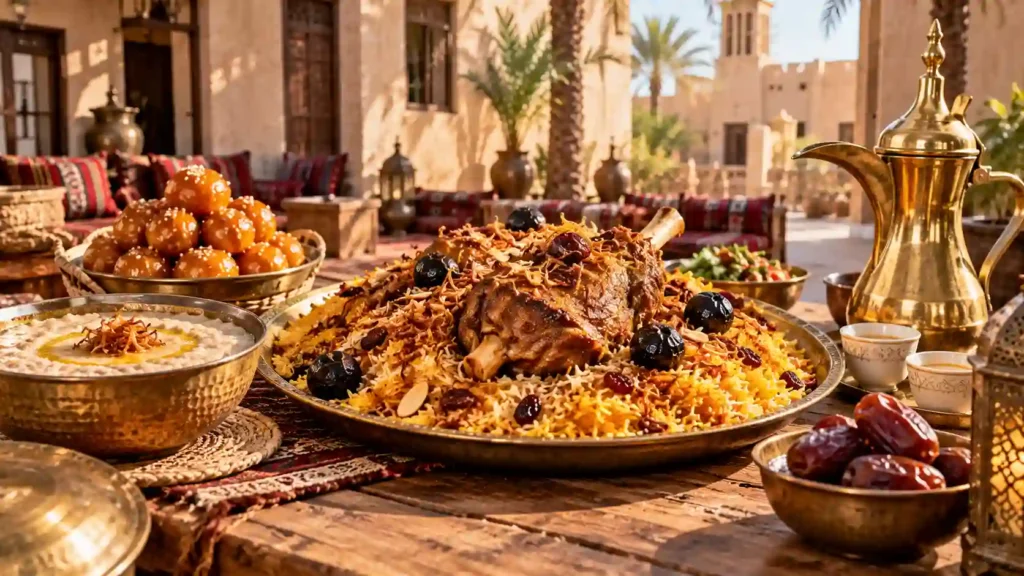
When food lovers ask about the official national dish of uae, the answer is universally celebrated as Al Machboos, also spelled Majboos. This magnificent dish represents the pinnacle of Arabian hospitality. In many ways, Machboos resembles a rich spiced pilaf or biryani, yet it maintains its own distinct flavor profile.
Machboos consists of tender meat, poultry, or seafood slow-cooked with long-grain basmati rice in a fragrant broth. First, the meat is simmered with whole spices, caramelized onions, and pungent dried limes known locally as loomi. Second, cooks remove the tender meat and cook the rice directly in the seasoned stock. This technique ensures that every single grain absorbs deep savory flavors. Finally, cooks brown the meat and serve it atop the steaming rice mound.
Furthermore, Machboos is garnished with hashwa, a flavorful mixture of sautéed raisins, split chickpeas, and fried onions. The contrast between savory spices and sweet raisins creates an irresistible sensory experience. If you enjoy layered rice dishes like our classic biryani recipe, Machboos will immediately captivate your taste buds. It remains the centerpiece of national celebrations, weddings, and Friday family gatherings.
Al Harees: The Soulful Heritage of Wheat and Slow-Cooked Meat
Alongside Machboos, Al Harees holds an equally revered status as an iconic national food of uae. Harees is one of the oldest recorded dishes in the Middle East, dating back thousands of years. It features a simple yet profoundly comforting blend of coarsely ground cracked wheat, tender meat, and clarified butter.
Traditionally, preparing Harees is an intensive labor of love. Cooks combine wheat berries and succulent cuts of lamb or veal in a heavy clay pot called a qidr. The mixture simmers slowly over low embers or in an underground clay oven for up to twelve hours. During this gentle cooking process, the wheat dissolves into a smooth, porridge-like consistency while the meat separates into tender shreds.
Once tender, cooks beat the mixture vigorously using a wooden paddle known as a mezrab. This rhythmic beating blends the wheat and meat into a velvety, unified texture. Finally, the dish is poured onto shallow platters and drizzled generously with golden local ghee. Because Harees is gentle on digestion and highly nourishing, families serve it prominently during Ramadan and Eid festivities. It represents timeless Bedouin endurance and generosity.
Al Threed: The Fragrant Bedouin Comfort Stew
Another treasured pillar of traditional cuisine is Al Threed, also known as Thereed. This wholesome dish combines a deeply spiced vegetable and meat broth with thin, crispy unleavened flatbread called rigag. In ancient Arabian tradition, Threed was widely praised as the favored meal of travelers and poets.
To construct Al Threed, cooks prepare a hearty broth filled with tender lamb, potatoes, carrots, zucchini, and pumpkin. The vegetables simmer slowly with tomato paste and rich spice blends until perfectly tender. Meanwhile, cooks line the bottom of a large serving bowl with sheets of crispy rigag bread. Next, they ladle the hot stew generously over the bread, allowing the thin layers to soften and absorb the rich broth.
The combination creates a comforting dish with delicate textures and deep aromatic warmth. Furthermore, Threed provides a complete, wholesome meal packed with lean protein and fresh root vegetables. It represents the historical resourcefulness of desert cooks who transformed simple flatbreads into satisfying banquets. You can compare traditional breadmaking techniques with our authentic naan bread recipe.
Coastal Delights: Traditional Seafood and Al Jasheed
Before the discovery of oil, fishing sustained thousands of families along the UAE coastlines. Consequently, seafood occupies a vital place in the authentic dubai national food repertoire. Coastal communities created ingenious recipes to preserve and showcase seasonal ocean catches.
Among the most famous coastal specialties is Al Jasheed. This distinctive dish features minced baby shark or kingfish cooked with intense aromatic seasonings. First, cooks boil the fish with turmeric and dried lime to remove any sharpness. Next, they shred the fish meat finely and sauté it with onions, garlic, ginger, and bezar spices. Finally, the savory minced fish is served alongside white basmati rice drizzled with pure ghee.
Additionally, whole grilled fish, locally known as Mashwi, remains popular in coastal fish markets. Fishermen coat fresh hammour, sea bass, or kingfish with date paste and ground spices before roasting it over open coals. This preparation imparts a smoky char that complements the natural sweetness of fresh seafood. Exploring fresh coastal seafood is an essential experience for every visitor in Dubai.
The Heart of the Kitchen: The Bezar Spice Blend and Loomi
The defining soul of authentic traditional food in dubai lies within its extraordinary seasoning pantry. Unlike some fiery South Asian curries, Emirati seasoning emphasizes fragrant warmth rather than blistering chili heat. Every household preserves its own cherished spice secrets passed down through generations.
The cornerstone of Emirati cooking is the Bezar spice blend. This aromatic blend combines roasted cumin, coriander seeds, fennel, cinnamon, dried black peppercorns, and turmeric. Homemakers roast these whole spices gently in iron pans before grinding them into fine, aromatic powders. Adding a single spoonful of freshly ground bezar infuses stews and rice dishes with unmistakable complexity.
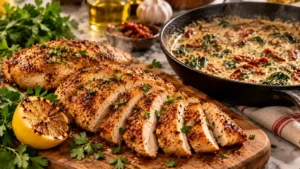
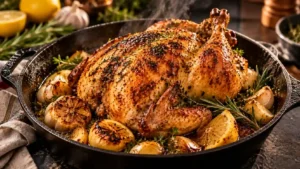
Equally critical is Loomi, which refers to sun-dried black limes. Farmers harvest fresh limes and boil them briefly in salt water before leaving them to dry under the desert sun. Over several weeks, the limes turn hard, dark, and brittle. When pierced and simmered in stews, loomi releases a deep, tangy, citrus aroma that cuts through rich meats beautifully. Discover the culinary applications of slow roasting in our guide to roast chicken recipe variations.
Morning Traditions: Authentic Emirati Breakfast Specialties
Emirati breakfast customs showcase a delightful balance of sweet and savory flavors. Unlike quick Western breakfasts, traditional morning meals in the UAE are relaxed family affairs accompanied by piping hot tea. These morning dishes reflect the comforting simplicity of home cooking.
First, Balaleet is a beloved breakfast dish that perfectly demonstrates sweet and savory harmony. It consists of sweet vermicelli noodles spiced with cardamom, saffron, and rose water, topped with a thin, savory fried omelet. The interplay between fragrant sweet noodles and the salty egg creates a surprising and delightful flavor profile. In addition, families serve Balaleet during festive holiday mornings.
Second, traditional bread varieties take center stage on the morning table. Chebab bread resembles a delicate, saffron-infused pancake cooked on a cast-iron griddle. Cooks serve it warm with date syrup and creamy cheese. Meanwhile, Khameer is a thick, yeast-leavened bread sprinkled with sesame seeds and baked until puffy. These hearty flatbreads provide sustained morning energy for busy days.
Sweet Decadence: Luqaimat and Traditional Dubai Desserts
No discussion of UAE gastronomy is complete without exploring its irresistible dessert heritage. Sweets in the Emirates feature natural sweeteners like golden date molasses, cardamom, and saffron. Consequently, traditional dubai desserts offer rich comfort without artificial syrups.
The undisputed king of traditional sweets is Luqaimat. These bite-sized golden dumplings are crisp on the exterior and remarkably soft inside. Cooks drop small spoonfuls of yeasted batter into bubbling hot oil until they puff into golden spheres. Immediately after frying, the hot dumplings are drenched in rich dibs (date molasses) and sprinkled with toasted sesame seeds. Enjoying freshly fried Luqaimat with your fingertips is an essential cultural indulgence.
Another classic sweet is Aseeda, a velvety pumpkin or flour pudding spiced with saffron and melted butter. Similarly, Khabeesa combines toasted flour, sugar, and rose water into a crumbly, comforting confection. These traditional sweets accompany festive family reunions and evening celebrations throughout the year.
The Sacred Ritual of Gahwa and Fresh Dates
In Emirati culture, hospitality is not merely a social courtesy; it is a sacred cultural duty. When you enter an Emirati home or traditional establishment, hosts welcome you immediately with Gahwa (Arabic coffee) and a platter of fresh dates. This welcoming ceremony embodies centuries of desert brotherhood.
Emirati Gahwa differs significantly from dark European espresso. Cooks brew lightly roasted green coffee beans with generous amounts of crushed cardamom, saffron strands, and occasionally cloves. The resulting brew displays a pale golden color and carries a soothing herbal aroma. Hosts pour Gahwa from an ornate brass pot called a Dallah into small, handle-less porcelain cups called Finjan.
Tradition dictates that guests hold the cup with their right hand and sip slowly alongside sweet dates. Dates provide a sweet contrast to the bitter, cardamom-scented coffee. Furthermore, dates deliver exceptional dietary fiber, potassium, and antioxidants. You can read more about these natural superfoods in our dedicated guide on dates benefits and how they support a balanced diet.
Where to Experience Authentic Emirati Dining in Dubai
Decades ago, authentic Emirati food was prepared exclusively in private homes, making it difficult for tourists to experience. Fortunately, Dubai now features fantastic heritage restaurants dedicated to preserving traditional recipes. Visiting these establishments offers both delicious food and cultural education.
- Al Fanar Restaurant & Cafe: Designed like a 1960s Emirati coastal village, al fanar dubai offers authentic Al Machboos, succulent grilled meats, and hot Luqaimat in a nostalgic setting.
- Arabian Tea House: Located in the historic Al Fahidi Historical Neighbourhood, this charming courtyard cafe serves classic Emirati breakfasts, fresh flatbreads, and aromatic teas.
- Sheikh Mohammed Centre for Cultural Understanding (SMCCU): SMCCU hosts cultural meals where guests sit on traditional floor carpets, enjoy authentic feasts, and engage in open discussions about local customs.
- Aseelah at Radisson Blu Deira: A modern fine-dining venue that blends classic Emirati culinary techniques with contemporary presentation.
- Siraj Restaurant: Situated in Souk Al Bahar, Siraj presents upscale Emirati-Levantine fusion dishes under grand Arabian arches with views of the Dubai Fountain.
Visiting these authentic venues allows you to experience genuine local hospitality firsthand. To plan your dining budget effectively across the city, review our comprehensive analysis of prices in dubai for food.
Comparing Emirati Flavors with Broader Middle Eastern Cuisine
Many international travelers confuse Emirati food with broader Levantine dishes like hummus, shawarma, and falafel. While Lebanese and Syrian restaurants are wildly popular across the UAE, authentic Emirati food features completely distinct culinary roots. Understanding these differences enriches your culinary perspective.
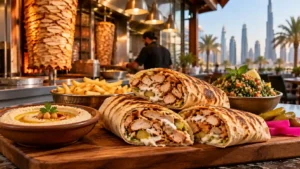
Levantine cuisine relies heavily on olive oil, fresh lemon juice, garlic, and wild herbs like thyme and zaatar. In contrast, Emirati cooking uses clarified ghee, dried limes, turmeric, and slow-braised meats. Furthermore, Emirati meals center around spiced rice platters and grain porridge, reflecting historical maritime spice connections with South Asia. You can explore iconic Levantine street eats through our guide to shawarma in dubai.
Similarly, while both Indian biryani and Emirati Machboos utilize spiced basmati rice, their flavor structures differ. Machboos highlights loomi citrus and delicate whole aromatics, whereas biryani features layered gravies and pungent masalas. You can explore top Indian dining options in our guide to the best indian restaurant in dubai.
Culinary Careers and the Thriving Hospitality Sector
The remarkable rise of heritage dining and culinary tourism in Dubai has created exciting professional avenues. In fact, hotel groups and restaurant consortia continually invest in culinary innovation and cultural preservation. Consequently, career opportunities across the food and beverage industry continue to expand.
Aspiring chefs, hospitality managers, and service staff find vibrant employment in Dubai’s world-class restaurant ecosystem. If you are exploring career pathways in gastronomy, review our detailed guide on hospitality tourism jobs. In addition, front-of-house professionals can study commercial service standards in our overview of dubai retail sales jobs.
Furthermore, culinary entrepreneurs and international hospitality executives command some of the city’s highest paying jobs. Food logistics networks also require massive warehousing support to supply ingredients daily. You can explore supply chain tracks in our analysis of dubai warehouse logistics jobs. Working within Dubai’s hospitality sector offers rewarding, long-term career growth.
Step-by-Step Guide: How to Cook Simple Chicken Machboos at Home
Bringing the authentic taste of the Emirates into your home kitchen is easier than you might think. With a few essential spices and quality basmati rice, you can create a sensational family feast.
- Prepare the Aromatics: Heat two tablespoons of ghee in a large heavy pot. Sauté finely chopped onions until deep golden brown, then add minced garlic, fresh ginger, and green chilies.
- Bloom the Spices: Add whole cinnamon sticks, cardamom pods, cloves, and two pierced dried black limes (loomi). Stir in one tablespoon of bezar spice blend and turmeric powder until fragrant.
- Brown the Chicken: Add chicken pieces to the pot and sear on all sides to absorb the spices. Add chopped tomatoes and tomato paste, cooking until soft.
- Simmer to Perfection: Pour in four cups of boiling water, cover the pot, and simmer gently for thirty minutes until the chicken becomes exceptionally tender.
- Bake and Crisp: Remove the chicken pieces, place them on a baking tray, brush with saffron water, and broil in the oven until golden and crisp.
- Cook the Rice: Add washed basmati rice directly into the boiling spiced broth. Cover and cook over low heat until the rice absorbs the liquid and turns fluffy.
- Assemble and Serve: Pile the steaming fragrant rice onto a large platter, arrange the golden chicken on top, and garnish with toasted almonds and fried onions.
Serving this homemade Machboos with a fresh tomato salsa (Daqqoose) and yogurt salad creates a magnificent cultural meal. Discover additional lifestyle tips and cultural stories on the Gulf Lights blog.
Cultural Etiquette: Dining Like a Local in the Emirates
When sharing a traditional meal with Emirati hosts, following local dining etiquette demonstrates deep cultural respect. Bedouin hospitality traditions emphasize mutual courtesy and personal warmth.
First, always remove your shoes before stepping onto carpeted dining areas or traditional majlis seating. Second, use exclusively your right hand when eating, receiving cups of coffee, or passing platters to neighbors. Eating with the left hand is considered impolite in Islamic tradition. Third, accept the initial cup of Gahwa graciously to honor your host’s welcome.
When your host refills your Finjan, drink at your own pace. If you have finished and do not desire more coffee, gently tilt your cup from side to side before handing it back. This polite gesture signals that you are satisfied. You can study local legal and cultural workplace regulations in our guide on the labour law uae.
Frequently Asked Questions About the National Dish of UAE
What is officially considered the national dish of UAE?
Al Machboos (Majboos) is officially recognized as the national dish of the United Arab Emirates. It consists of slow-cooked spiced meat, chicken, or seafood served over fragrant basmati rice infused with dried limes and aromatic whole spices.
What is the difference between Al Machboos and Al Harees?
While Machboos is a spiced long-grain rice dish, Al Harees is a savory porridge made from cracked wheat and shredded meat slow-cooked for hours until silky smooth and finished with clarified ghee.
Is traditional Emirati food very spicy?
No, authentic Emirati cuisine is mildly spiced and aromatic rather than fiery hot. It relies on fragrant spices like cardamom, cinnamon, saffron, and dried limes to create deep flavors without excessive chili heat.
Can vegetarians enjoy traditional Emirati food?
While traditional Emirati dishes historically emphasize meat and seafood, modern restaurants offer vegetarian versions of Machboos, Threed vegetable stews, Chebab flatbreads, and sweet Luqaimat dumplings.
The national dish of UAE represents a magnificent celebration of desert survival, international trade history, and generous Arabian hospitality. Whether you savor slow-cooked Machboos in historic Deira or enjoy crisp Luqaimat by the beach, Emirati food connects you with the authentic soul of the nation. For further cultural guides, lifestyle insights, and dining recommendations, get in touch with our team via the Gulf Lights contact page.