Baking a magnificent, towering chocolate cake recipe from scratch is widely celebrated as the crowning centerpiece of celebratory dining. Across festive birthday parties, milestone anniversaries, and intimate family gatherings, no dessert commands greater admiration than a rich layer cake. The contrast of velvety dark cocoa crumb, luxurious chocolate fudge frosting, and melting tenderness creates pure culinary happiness. At Gulf Lights, we deliver verified culinary guides to elevate everyday home dining across the United Arab Emirates and beyond.
Mastering bakery-caliber celebration cakes does not require commercial industrial ovens or professional pastry credentials. In fact, achieving restaurant-worthy moisture depends on cocoa blooming chemistry, fat emulsion science, and gentle heat management. Furthermore, mastering fundamental batter mechanics unlocks beloved dessert centerpieces like creamy New York cheesecake, spiced carrot cake, and iconic red velvet. Consequently, you can treat your loved ones to stunning, preservative-free artisanal cakes with complete confidence. Explore our complete culinary archive through our food category hub.
The Cultural Heritage of Celebration Cakes: From Ancient Honey Breads to Layered Art
The cultural journey of celebratory cakes reflects centuries of European baking evolution, trade expansion, and agricultural innovation. In ancient Greece and Rome, bakers prepared dense rounds of wheat flour sweetened with honey and studded with nuts. These early festival bakes were reserved exclusively for temple offerings and imperial birthdays.
However, modern celebration cakes emerged during the mid-nineteenth century with the invention of chemical leavening agents and refined flours. Furthermore, Dutch chemist Coenraad van Houten revolutionized pastry arts in 1828 by developing a hydraulic cocoa press. His invention extracted cocoa butter from roasted beans, creating smooth, soluble cocoa powder for the first time. You can review regional household grocery budgets and dining benchmarks in our guide to prices in dubai for food.
Consequently, home bakers quickly began incorporating rich cocoa powder directly into sweet cake batters. Over subsequent decades, layered birthday cakes became a global social symbol of love, hospitality, and communal joy. Moreover, similar comforting grain and sweet traditions unite diverse cultures worldwide. You can explore traditional Gulf grain and meat stews in our comprehensive guide to the national dish of uae. Celebration cakes transform humble kitchen staples into unforgettable culinary memories.
The Food Science of Cocoa: Natural vs Dutch-Processed Powder
Selecting the proper cocoa powder is the primary secret to controlling flavor depth, color, and rise. Many bakers assume all unsweetened cocoa powders behave identically in cake batters.
First, natural cocoa powder is made from pure roasted cacao beans ground into fine dust. Natural cocoa is naturally acidic, possessing a pH level between 5.0 and 6.0. This natural acidity reacts vigorously with baking soda (sodium bicarbonate), generating expanding carbon dioxide bubbles that lift the cake batter. In addition, natural cocoa delivers sharp, bright, and fruity chocolate flavor notes. If you enjoy rich chewy bakes, explore our chocolate secrets in our chocolate chip cookie recipe guide.
In contrast, Dutch-processed cocoa powder undergoes an alkaline bath that neutralizes its natural acidity to a neutral pH of 7.0. This alkalizing wash darkens the powder into a deep mahogany color while eliminating harsh bitter sharpness. However, because Dutch cocoa contains no acid, it requires baking powder rather than baking soda to rise properly. You can verify dairy baking measurements in our kitchen reference guide on 1 cup butter in grams. Understanding cocoa pH prevents flat, dense cakes.
The Blooming Secret: Why Hot Coffee Unlocks Maximum Chocolate Depth
Professional pastry chefs utilize an essential scientific preparation step called “blooming” when mixing chocolate batters. Dumping dry cocoa powder directly into flour leaves chocolate flavors muted and dry.
Cocoa powder consists of microscopic starch granules and flavor molecules encased within solid vegetal fibers. When you pour simmering liquid over dry cocoa powder, the intense heat breaks down those outer cellular walls instantly. The starch granules swell, releasing trapped aromatic volatile compounds called pyrazines directly into the liquid. This thermal blooming process intensifies chocolate flavor tenfold.
Furthermore, using freshly brewed hot black coffee instead of plain boiling water creates culinary magic. Coffee contains roasted chlorogenic acids that mirror the aromatic profile of roasted cacao beans. The coffee does not make the cake taste like espresso; instead, it amplifies and deepens the dark chocolate notes. You can explore delicate protein coagulation physics in our master guide on how to boil eggs. Blooming your cocoa guarantees deep, intense chocolate flavor.
Fat Selection: Vegetable Oil vs Butter in Chocolate Cakes
The fat source you choose determines whether your chocolate cake turns out silky and moist or dense and dry. Many traditional home bakers reflexively reach for creamed butter.
However, in chocolate cakes, pure vegetable oil consistently outperforms dairy butter. Butter contains roughly eighty percent fat, sixteen percent water, and four percent milk solids. Because butter solidifies at room temperature, butter-based cakes firm up quickly as they cool, turning crumbly. Furthermore, cocoa powder is naturally rich in starches that absorb moisture aggressively from the surrounding batter.
In contrast, neutral vegetable oils like canola or light olive oil remain one hundred percent liquid at room temperature. The liquid lipid molecules coat flour starches and gluten proteins continuously, locking in moisture for days. If you crave authentic butter flavor, use oil in the cake layers to guarantee moistness, and use real butter in your frosting. If you enjoy fluffy morning breakfast bakes, explore our celebrated pancake recipe guide. Oil ensures your cake stays tender even after refrigeration.
Mastering the Ultimate Moist Chocolate Cake Recipe at Home
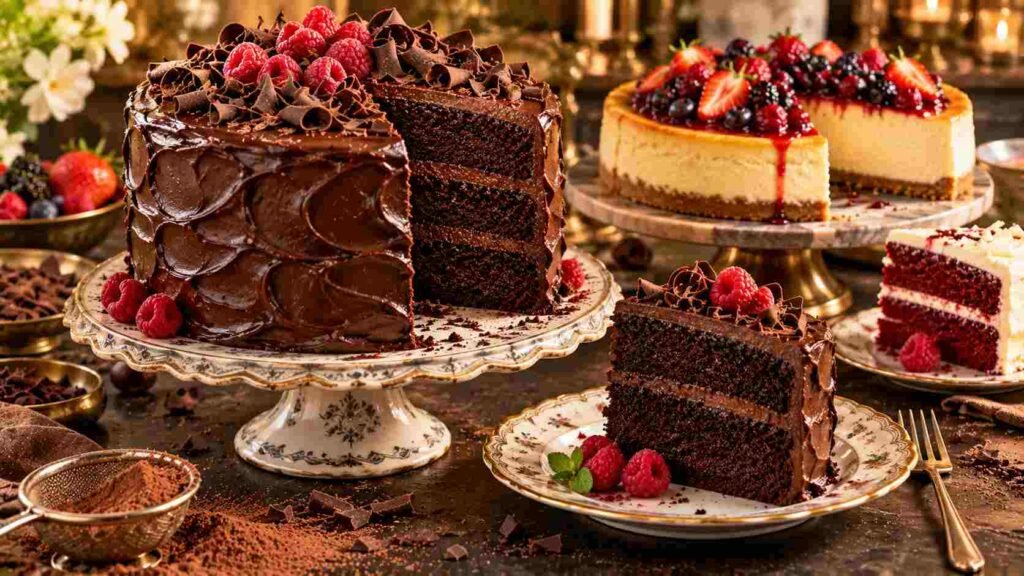
This master chocolate cake recipe delivers two towering, ultra-moist eight-inch layers coated in silky chocolate buttercream. Follow these step-by-step instructions for guaranteed baking triumph.
- Prep the Pans: Grease two 8-inch round cake pans with butter. Line the bottoms with parchment paper rounds and dust lightly with cocoa powder instead of white flour to prevent pale edges.
- Bloom the Cocoa: In a heatproof bowl, whisk three-quarters of a cup of Dutch-processed cocoa powder with one cup of boiling hot black coffee. Let rest for ten minutes until silky.
- Whisk the Dry Ingredients: In a large mixing bowl, whisk two cups of all-purpose flour, two cups of granulated sugar, two teaspoons of baking powder, one and a half teaspoons of baking soda, and one teaspoon of fine sea salt.
- Combine the Wet Base: In a separate bowl, whisk one cup of whole buttermilk, half a cup of neutral vegetable oil, two large room-temperature eggs, and one tablespoon of pure vanilla extract.
- Unite and Whisk: Pour the wet milk mixture and the bloomed coffee-cocoa mixture into the dry bowl. Whisk gently by hand for two minutes until a smooth, thin batter forms.
- Divide the Batter: Pour the liquid batter evenly between the two prepared cake pans. Tap the pans lightly on the kitchen counter to release large trapped air bubbles.
- Bake Gently: Bake in a preheated oven at 175°C (350°F) for thirty to thirty-five minutes. A wooden toothpick inserted into the center should emerge with a few moist crumbs attached.
- Cool on Racks: Cool the cake layers in their pans on a wire rack for twenty minutes. Invert onto wire cooling racks, peel off parchment paper, and cool completely before frosting.
- Frost and Layer: Place one layer on a cake turntable. Spread one cup of chocolate buttercream across the top. Crown with the second layer and coat the top and sides with frosting.
Slice thickly and serve with fresh raspberries or a cold glass of milk. Pair this celebratory classic with artisanal flatbreads from our naan bread recipe collection for diverse entertaining spreads.
Velvet Decadence: Classic New York Cheesecake Recipe
Alongside rich chocolate cakes, an authentic cheesecake recipe represents the supreme test of a baker’s temperature discipline. New York cheesecake is celebrated for its dense, ultra-creamy consistency and tangy finish.
The foundation begins with an audibly crisp graham cracker crust. Crush whole graham crackers into fine crumbs, tossing with melted butter and sugar before pressing firmly into a 9-inch springform pan. Bake the crust for ten minutes to set. Meanwhile, beat full-fat cream cheese, granulated sugar, and sour cream until completely smooth without whipping excess air into the mixture.
Fold in whole eggs gently one at a time on low mixer speed. Crucially, bake the cheesecake inside a gentle water bath (bain-marie) wrapped in heavy aluminum foil. The surrounding water bath regulates oven heat, preventing the delicate dairy proteins from overheating and curdling. Turn off the oven when the center three inches still jiggle gently, letting the cheesecake cool inside the turned-off oven for one hour. If you love burger patties, explore our skillet techniques in our smash burger recipe guide. Gentle cooling eliminates surface cracks completely.
Rustic Autumn Warmth: Spiced Carrot Cake Recipe
When you crave comforting spices and moist vegetable texture, an authentic carrot cake recipe delivers timeless domestic luxury. This beloved classic pairs sweet grated carrots with tangy cream cheese frosting.
Always grate whole fresh carrots finely using a box grater rather than purchasing pre-shredded supermarket bags. Packaged shredded carrots are dry and woody, while fresh carrots release natural sweet juices that hydrate the crumb. Whisk vegetable oil, brown sugar, eggs, cinnamon, nutmeg, and ginger before folding in the freshly grated carrots, chopped pecans, and crushed pineapple.
Bake in two round pans at 175°C (350°F) for thirty minutes until golden-brown and springy to the touch. Smother the cooled layers in a velvety frosting made from cream cheese, softened butter, powdered sugar, and pure vanilla bean paste. The tangy cream cheese cuts through sweet spiced cake effortlessly. If you enjoy moist fruit bakes, explore our celebrated banana bread recipe guide. Carrot cake brings rustic warmth to festive gatherings.
Southern Elegance: Authentic Red Velvet Cake Recipe
Hailing from historic Southern tearooms, an authentic red velvet cake recipe represents one of the most distinctive cakes in American baking. It features a tender, velvety crumb with subtle cocoa flavor and striking crimson color.
Historically, red velvet was not colored with artificial food dyes. Traditional recipes relied on a chemical reaction between natural, un-alkalized cocoa powder, acidic buttermilk, and raw vinegar. The acid turned anthocyanin pigments in the cocoa into a deep, natural reddish-brown hue. Modern bakers enhance this color with a small splash of gel red food coloring.
The hallmark of red velvet is its tender, melting crumb, achieved by using low-protein cake flour and buttermilk. Buttermilk breaks down gluten strands gently, creating a feather-light texture. Frost the scarlet layers with traditional cooked flour frosting (ermine frosting) or rich cream cheese frosting. You can explore dough elasticity in our master guide to pizza dough recipe crusts. Red velvet delivers sophisticated, eye-catching celebration luxury.
The Classic Standard: Fluffy Vanilla Cake Recipe and Birthday Bakes
Every home baker must master an authentic vanilla cake recipe to celebrate family milestones. A premier birthday cake recipe requires a tender crumb that remains sturdy enough for multi-tiered stacking.
Professional pastry chefs achieve this texture using the “reverse creaming” method. Instead of beating butter and sugar together first, you blend softened butter directly into dry flour and sugar until the mixture resembles coarse sand. The fat coats the flour proteins physically, inhibiting gluten development before liquids are added.
Next, beat in whole eggs, whole milk, sour cream, and real vanilla bean caviar. This method yields a velvet, fine-grained crumb that never doming excessively in the pan. Fold in colorful rainbow sprinkles right before baking to transform the batter into a joyful Funfetti birthday centerpiece. If you enjoy slow-simmered beef comfort, explore our homestyle beef stew recipe guide. Fluffy vanilla cake is the versatile canvas for unforgettable celebrations.
Dense Southern Tradition: Classic Pound Cake Recipe
Dating back to early eighteenth-century European kitchens, an authentic pound cake recipe represents the height of baking simplicity. The historic name derived from its original formula: one pound each of flour, butter, sugar, and eggs.
Because traditional pound cake uses zero chemical leaveners like baking powder, all aeration comes from mechanical creaming. Cream softened butter and sugar vigorously for eight full minutes until the mixture turns pale, white, and fluffy. Add eggs one at a time, ensuring each egg is fully emulsified before adding the next.
Fold in cake flour gently, pouring the thick batter into a seasoned, fluted Bundt pan. Bake at 160°C (325°F) for seventy minutes until deeply golden and a skewer emerges clean. Slicing into a pound cake reveals a dense, velvety, and melt-in-your-mouth crumb with rich butter perfume. Serve with macerated strawberries and whipped cream. If you enjoy slow-cooked shredded meats, check our classic pulled pork recipe guide. Classic pound cake is pure, comforting domestic luxury.
Frosting Mastery: Silky Ganache vs Swiss Meringue vs American Buttercream
An exceptional cake layer requires an equally magnificent frosting to seal in moisture and provide flavor contrast. Understanding frosting types ensures your decorative finish matches your palate.
First, American buttercream is the fastest and sweetest option, whipped from softened butter, powdered sugar, heavy cream, and vanilla. However, it can feel overly sweet and crusts quickly in dry air. Second, Swiss meringue buttercream represents the gold standard of professional wedding cakes. Whisk egg whites and sugar over a double boiler until sugar dissolves, whip into a stiff glossy meringue, and beat in cubes of softened butter.
Swiss meringue buttercream is ultra-silky, feather-light, and remarkably stable in warm room temperatures. Third, rich dark chocolate ganache provides deep, decadent luxury. Pour steaming heavy cream over finely chopped bittersweet chocolate, letting it rest for five minutes before whisking into a glossy mirror glaze. You can review corporate regulatory standards and safety practices in our legal and government services directory. The right frosting elevates home baking into fine pastry art.
Baking Thermodynamics: Cake Strips, Flat Tops, and Pan Materials
Achieving flat, uniform cake layers without dome tops or cracked crusts requires managing oven heat transfer. Uneven baking forces you to trim and waste valuable cake layers.
When an uninsulated metal cake pan enters a hot oven, the metal sides heat up rapidly. The batter touching the pan edges cooks and sets within ten minutes. Meanwhile, the liquid batter in the center continues rising, forming a tall, unsightly dome. To prevent this, wrap damp fabric cake strips (bake-even strips) around the exterior perimeter of your cake pans before baking.
The wet fabric keeps the pan sides cool, allowing the outer batter to rise at the exact same pace as the center. Consequently, your cakes bake completely flat across the top, eliminating the need for leveling with a serrated knife. Furthermore, always use light-colored aluminum pans rather than dark non-stick pans. Light aluminum reflects radiant heat evenly, ensuring tender, pale crusts. If you enjoy precision searing on thick beef cuts, check our classic steak recipes.
Assembly and Decoration: The Crumb Coat Secret
Have you ever tried frosting a celebration cake only to watch stray crumbs tear into your smooth frosting? Professional cake decorators prevent this through the essential “crumb coat” technique.
First, always chill your baked cake layers in the refrigerator for at least two hours before assembling. Warm or room-temperature cake layers are delicate and tear easily under pressure. Place your first chilled layer onto a rotating cake turntable, spreading a layer of buttercream across the top.
Add the second layer, and spread an ultra-thin layer of frosting over the entire top and sides of the cake. This thin coat traps all loose crumbs securely against the cake surface. Place the entire cake in the refrigerator for twenty minutes until the crumb coat sets firm to the touch. Once firm, apply your final thick layer of frosting using a metal bench scraper. The final coat glides smoothly across the chilled base without a single stray crumb. If you love savory breakfast bakes, explore our make-ahead tips in our breakfast casserole recipe guide.
Storage Protocols, Freezing Layers, and Make-Ahead Scheduling
Baking elaborate celebration cakes can easily overwhelm a single afternoon. Fortunately, breaking the baking process into structured phases makes cake decorating stress-free.
You can bake your cake layers days or even weeks in advance. Let freshly baked layers cool completely on wire racks. Wrap each layer tightly in two layers of plastic wrap, followed by a layer of heavy aluminum foil. Store the wrapped layers in the freezer for up to two months without flavor loss.
Crucially, assemble and frost your cake while the layers are still partially frozen. Cold, firm layers are rigid, easy to handle, and do not bend or shed crumbs as you spread frosting. Fully decorated buttercream cakes store safely in the refrigerator for up to four days. Always remove decorated cakes from the refrigerator two hours before serving; cold buttercream feels like cold butter, while room-temperature buttercream melts like silk. If you love crispy chicken breasts, explore our breaded cutlet techniques in our classic fried chicken recipe guide.
Nutritional Balance: Dark Cocoa, Mindful Portions, and Natural Treats
While celebration cakes are cherished treats for special occasions, thoughtful ingredient selection supports balanced living. Savoring well-prepared homemade desserts delivers pure joy without artificial commercial additives.
High-grade dark cocoa powder provides potent flavonoid antioxidants that support cardiovascular circulation and cognitive focus. Furthermore, scratch baking allows you to eliminate artificial hydrogenated trans fats, high-fructose corn syrups, and synthetic preservatives found in supermarket box mixes. Savoring moderate portions of real whole-food desserts satisfies cravings naturally.
Furthermore, sweet natural fruits like dates provide exceptional potassium, magnesium, and dietary fiber for clean, unrefined sweetness in raw desserts. Discover nutrient-dense natural superfoods in our analysis of dates benefits. Discover how whole-food lifestyle frameworks support lifelong vitality in our comprehensive guide to a balanced diet. Mindful dessert choices ensure sweet celebration aligns with long-term wellness.
Side Dish Symphony: Coffee, Dessert Wines, and Fresh Fruit
Because rich chocolate cakes and cheesecakes are decadent and sweet, thoughtful beverage and fruit pairings complete the celebratory dining experience. Balancing sweet bakes with contrasting notes satisfies every palate.
A hot cup of dark roast espresso, pour-over black coffee, or Earl Grey tea cuts through rich fudge frosting effortlessly. In addition, serving warm chocolate cake alongside fresh tart raspberries, sliced strawberries, or a scoop of vanilla bean gelato elevates casual celebrations into elegant restaurant plating. If you crave warm autumn baking, explore our spiced bakes in our authentic apple pie recipe guide.
If you crave crisp greens alongside savory holiday meals, pair your feast with a romaine salad tossed with our zesty caesar salad recipe dressing. For delicate seafood dining on weekends, explore our ten-minute shrimp recipes collection. If you prefer lean white poultry on busy weeknights, explore our tender chicken breast recipes. Harmonious accompaniments elevate casual baking into an unforgettable culinary celebration.
Commercial Hospitality Careers in Pastry Arts and Cake Decorating
The global boom in bespoke wedding cake studios, luxury hotel patisseries, and artisanal dessert lounges has created dynamic career opportunities across the food service industry. In cosmopolitan hospitality capitals like Dubai, luxury resorts and boutique cake studios recruit talented pastry chefs, cake decorators, and baking supervisors.
Culinary professionals who master precision sugar crafting, chocolate tempering, and high-volume banquet production enjoy robust recruitment demand. If you are exploring professional vocational paths in gastronomy, review our comprehensive guide on hospitality tourism jobs. In addition, executive pastry chefs and bakery operations directors command prestigious compensation packages. Explore executive salary scales in our guide to the highest paying jobs.
Furthermore, bakery networks rely on temperature-controlled warehousing to store premium butter, chocolates, and flours safely. Candidates interested in supply logistics can explore opportunities in our guide on dubai warehouse logistics jobs. Dedicated culinary staff can advance into corporate leadership roles through strategic career change growth. Many international culinary talents relocate using our guide to work abroad. You can study statutory labor standards in our analysis of the labour law uae.
Frequently Asked Questions About Baking Chocolate Cakes
Why is my chocolate cake dry and crumbly?
Chocolate cake turns dry if overbaked, if too much flour was added, or if butter was used instead of oil. Cocoa powder absorbs massive amounts of moisture; always use vegetable oil in chocolate cake layers and test with a toothpick five minutes early.
Can I taste the coffee in the chocolate cake?
No, the hot brewed coffee will not make the cake taste like coffee. The roasted compounds in coffee simply deepen and intensify the natural chocolate flavor of the cocoa powder without adding coffee flavor.
Why did my cake sink in the center after baking?
Cakes sink in the center if underbaked, if the oven door was opened repeatedly during baking, or if expired leaveners were used. Keep the oven door closed for the first twenty-five minutes of baking to prevent sudden temperature drops.
How far in advance can I make a chocolate layer cake?
You can bake and freeze cake layers up to two months in advance. Assemble and frost the cake twenty-four hours before your celebration, storing it covered in the refrigerator until two hours before serving.
Mastering this classic chocolate cake recipe gives you the culinary confidence to prepare towering, decadent, and bakery-quality celebration centerpieces right in your own kitchen. By blooming cocoa in hot coffee, utilizing vegetable oil for lasting moisture, and mastering the crumb coat technique, you can create extraordinary sweet feasts that bring loved ones together. For additional culinary tutorials, kitchen advice, and verified lifestyle guides, connect with our specialist team via the Gulf Lights contact page. Discover more inspirational cooking articles on the Gulf Lights blog.