
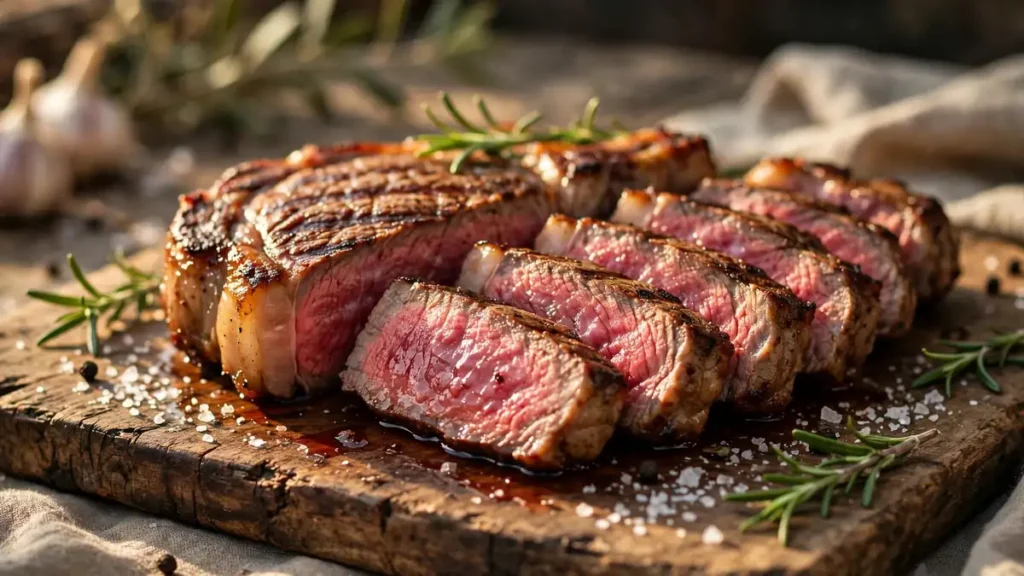
Why These Steak Recipes Belong in Your Kitchen
Great steak recipes turn an ordinary dinner into something worth remembering. This guide starts with a perfect pan-seared steak. Then it moves into ground beef recipes, a proper smash burger recipe, a classic beef stew recipe, and an easy pulled pork recipe. Every method here uses standard home-cooking techniques. In fact, you will not need any fancy equipment.
Many home cooks feel nervous about steak. However, the rules are simpler than they seem. A hot pan, a good cut, and a thermometer do most of the work. Once you learn the basics, you can repeat them forever. In addition, each section below stands on its own, so you can jump straight to the recipe you want.
If you enjoy slow-cooked meat dishes, our guide to the national dish of the UAE is also worth a read. It shows how braising transforms tough cuts. Many of the same ideas appear in the stew section below. Meat cooked slowly becomes tender everywhere in the world.
Choosing the Right Cut for Perfect Steak Recipes
The cut you buy decides the result more than any seasoning. Tender cuts come from muscles the animal uses less. Therefore, ribeye, strip, and filet mignon cook fast and stay juicy. Tougher cuts come from hard-working muscles. As a result, they need slow cooking instead.
The Tender Steaks
Ribeye is the favorite of most steak lovers. It has rich marbling, which means thin lines of fat through the meat. That fat melts during cooking and keeps the steak moist. In addition, a bone-in ribeye looks impressive on the table. Strip steak, also called New York strip, is slightly leaner with a firm bite. Filet mignon is the most tender cut of all. However, it is mild in flavor, so many cooks add butter or herbs.
The Flavor-Packed Value Cuts
Sirloin gives you good flavor at a lower price. It is leaner, so avoid cooking it past medium. Similarly, flank and skirt steaks have bold, beefy taste. They are thin, therefore they cook in minutes. Always slice them against the grain. That one step keeps every bite tender.
Thickness matters as much as the cut itself. Look for steaks at least one inch thick. Consequently, thinner steaks overcook before the crust forms. In addition, let the steak sit at room temperature for 30 minutes. A cold steak cooks unevenly from edge to center.
Steak Doneness: From Rare to Well Done
Doneness is about internal temperature, not color. Color can lie, especially with thick cuts. A reliable instant-read thermometer removes all guesswork. Insert it into the thickest part of the steak. Pull the meat a few degrees early, because it keeps cooking while it rests.
- Rare: 120–125°F (49–52°C) — cool red center, very soft
- Medium-rare: 130–135°F (54–57°C) — warm red center, the sweet spot for most cuts
- Medium: 140–145°F (60–63°C) — warm pink center, firmer bite
- Medium-well: 150–155°F (66–68°C) — slightly pink center
- Well done: 160°F (71°C) and above — little or no pink
For example, medium-rare is the most popular choice for ribeye and strip. The fat has time to melt without drying the meat. For leaner cuts like filet, medium-rare also works beautifully. Well-done steak can still taste good, however it needs a thicker cut and careful heat. Resting matters at every level. Finally, five to ten minutes of rest lets the juices settle back into the meat.
How to Sear a Steak Like a Pro
Start with a dry surface. Pat the steak with paper towels until no moisture remains. Then season generously with salt and black pepper. Some cooks add garlic powder too. Let the seasoning sit for at least 15 minutes.
Heat a heavy pan, ideally cast iron, until it just starts to smoke. Then add a thin layer of high-heat oil such as avocado or refined canola. Lay the steak away from you to avoid splatter. Do not touch it for two to three minutes. That contact builds the deep brown crust.
Flip once and add butter, crushed garlic, and thyme to the pan. Meanwhile, tilt the pan and spoon the foaming butter over the steak. This basting step adds rich flavor fast. A hard sear builds flavor the same way browning does in our butter chicken recipe. After two more minutes, check the temperature. Rest the steak, then slice and serve.
Simple Seasonings and Steak Marinades
Great steak recipes rarely need complicated seasoning. In fact, salt and black pepper are enough for a quality ribeye or strip. Salt the steak at least 40 minutes before cooking. During that time, the salt dissolves and seasons the meat deeply. Pepper goes on right before searing, because it can burn over very high heat.
For tougher or leaner cuts, a simple marinade adds both flavor and tenderness. Mix olive oil, soy sauce, minced garlic, and a splash of vinegar. Add the steak and refrigerate for two to four hours. The acid gently loosens the surface fibers. However, do not marinate longer than eight hours. After that point, the texture turns mushy instead of tender.
Dry rubs are another easy option. Combine brown sugar, smoked paprika, garlic powder, onion powder, and cayenne. Pat the mix onto the meat an hour before cooking. The sugar caramelizes and builds a beautiful crust. In addition, leftover rub keeps for months in a sealed jar. Use it on the pulled pork recipe above for a matching flavor theme.
Ground Beef Recipes for Busy Weeknights
Indeed, ground beef is the hardest-working ingredient in most kitchens. It cooks fast, costs little, and takes on any seasoning. Choose 80/20 ground beef for the best balance. Consequently, the 20 percent fat keeps patties and sauces juicy. Leaner blends work too, but they dry out faster.
Brown the beef in a hot pan and break it into crumbles. Season with salt, pepper, and your favorite spices. From here, dinner can go in many directions. For instance, toss it into tacos with lime and cilantro. Roll it into meatballs with breadcrumbs and egg. Simmer it into our hearty chili recipe on cold nights. Each option takes under 30 minutes.
In addition, stuffed peppers are another easy win. Mix browned beef with cooked rice, tomato sauce, and cheese. Fill halved bell peppers and bake until bubbly. For a mezze-style plate, spoon spiced beef into warm flatbread with hummus and salad. Because ground beef recipes are so flexible, keep a pound in the freezer. It thaws quickly in cold water. You can also brown a big batch on Sunday. Then portion it into bags and freeze for fast weeknight meals. In addition, pre-cooked beef turns into tacos, pasta sauce, or shepherd’s pie in minutes.
Smash Burger Recipe: Crispy Edges at Home
This smash burger recipe copies the diner classic. The secret, however, is maximum contact with a hot surface. Loosely roll 80/20 beef into balls, about three ounces each. Do not season or pack them yet. Heat a cast-iron skillet or griddle until smoking. Then place a ball on the hot surface and smash it flat with a heavy spatula.
Press hard for ten seconds to get a thin, even patty. Season with salt and pepper right away. Cook for about two minutes until the edges turn deeply brown and crispy. Scrape under the patty, flip once, and add cheese immediately.
One more minute melts the cheese and finishes the center. Stack two patties for a double, then load a toasted bun. Add pickles, onion, and your favorite sauce. In addition, a side of fries or slaw completes the meal. The whole process takes less than 15 minutes. Once you try this method, regular thick burgers may feel boring.
Beef Stew Recipe: Low and Slow Comfort
A good beef stew recipe starts with the right cut. Chuck roast is ideal because its connective tissue melts into rich broth. Cut it into one-and-a-half-inch cubes. Pat the pieces dry, then brown them in batches. Crowding the pot steams the meat instead of searing it.
Remove the beef and soften chopped onion, carrots, and celery in the same pot. Then stir in tomato paste and a spoonful of flour. Pour in beef broth and add the meat back with bay leaves and thyme. Bring it to a gentle simmer, then cover and cook low for about two hours. Add potatoes and peas in the last 40 minutes.
Finally, the stew is done when a piece of beef yields to a fork. Skim any fat from the surface before serving. This slow-braise method is similar to the French classic in our beef bourguignon recipe. For another one-pot comfort meal, try our biryani recipe next weekend. Serve the stew with crusty bread for soaking up the broth.
Pulled Pork Recipe: The Easiest Crowd-Pleaser
This pulled pork recipe needs almost no hands-on time. Buy a pork shoulder, also called pork butt. It is well-marbled and built for slow cooking. Then rub it all over with salt, pepper, paprika, garlic powder, and brown sugar. Let it sit overnight if you can.
Then cook it low and slow until it falls apart. A slow cooker on low for eight to ten hours works perfectly. Alternatively, roast it in a 300°F (150°C) oven for five to six hours. The target internal temperature is around 203°F (95°C). At that point the collagen has melted completely.
Rest the meat for 30 minutes, then shred it with two forks. Toss the strands with the cooking juices. Serve on soft buns with coleslaw and pickles. It also works in tacos, quesadillas, and baked potatoes. Because one shoulder feeds a crowd, this recipe is perfect for gatherings. Leftovers freeze well for up to three months. Portion the shredded pork into freezer bags with some juices. Then thaw overnight in the fridge and reheat gently. As a result, one cooking session gives you several easy dinners.
Serving and Storing Your Meat Dishes
Rest cooked meat before slicing, every single time. Steaks need five to ten minutes. Roasts and pork shoulder need at least 20. Slicing too early lets the juices run out onto the board. A little patience keeps every bite moist. For thick steaks, tent loosely with foil during the rest. This keeps the meat warm without steaming the crust soft.
Once cooled, store leftovers in airtight containers in the fridge. Most cooked meats stay good for three to four days. Reheat gently to avoid drying them out. A splash of broth helps stew and pulled pork. To keep rich meals in line with a balanced diet, pair smaller portions with vegetables and whole grains.
Frequently Asked Questions
Can I cook a steak straight from the freezer?
You can, although it takes about 50 percent longer. Sear it frozen, then finish in a moderate oven. However, thawed steak gives you better crust and even cooking. Plan ahead when you can. A slow overnight thaw in the fridge gives the best results.
Why is my steak tough even though I followed the recipe?
The most common cause is overcooking. Even a few extra degrees dry out lean cuts. Another culprit is skipping the rest. Always use a thermometer instead of guessing. In addition, slicing with the grain makes chewiness worse on flank and skirt.
How to Check Doneness Without a Thermometer
Instead, press the center of the steak with your finger. Compare the firmness to the fleshy part of your palm. This touch test takes practice, however. A thermometer costs little and works every time. We strongly recommend buying one.
Can I use the beef stew method for pulled pork?
Yes, the ideas overlap. In fact, both use tough cuts, browning, and long gentle heat. Pork shoulder simply needs a slightly higher finish temperature. The shredding step is the main difference. Both reward patience the same way.
What is the best oil for searing steak?
Choose an oil with a high smoke point. Avocado oil, refined canola, and grapeseed oil all work well. Olive oil burns at searing temperatures, so save it for finishing. In addition, use only a thin layer. Too much oil fries the crust instead of searing it.