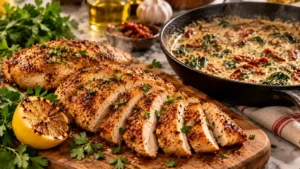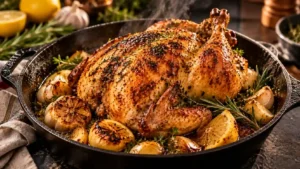
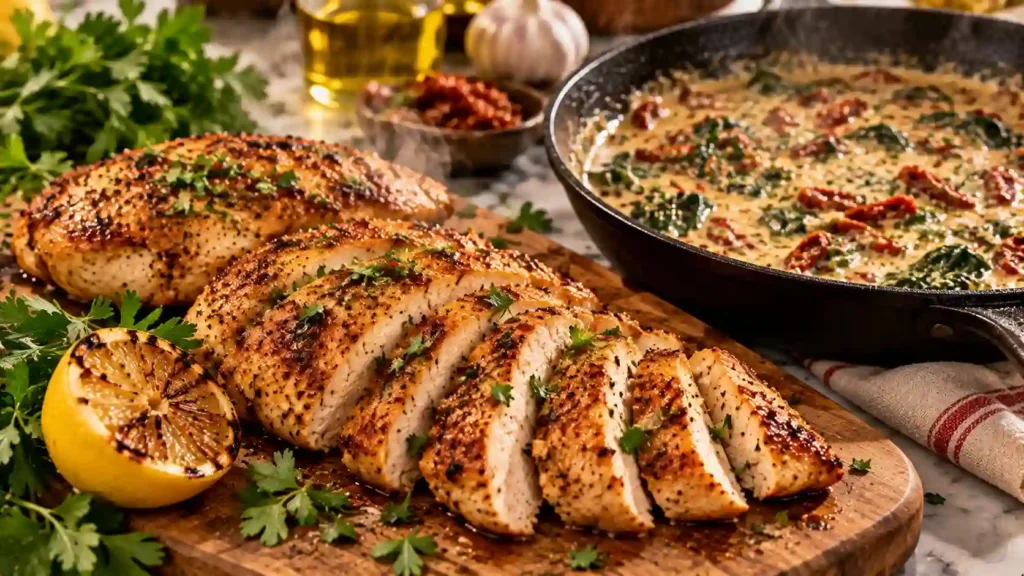
Transforming ordinary boneless poultry into tender masterpieces begins with mastering versatile chicken breast recipes. Boneless, skinless chicken breast is arguably the most popular protein across home kitchens worldwide. It is lean, economical, and remarkably quick to cook. However, home cooks frequently struggle with dry, rubbery, or flavorless results. At Gulf Lights, we deliver verified culinary guides to help you create memorable dining experiences across the United Arab Emirates and beyond.
Cooking chicken breast successfully does not require culinary school training. In fact, understanding simple heat control, moisture retention, and pan sauces unlocks extraordinary flavor. Furthermore, lean poultry absorbs vibrant seasonings and rich sauces faster than any other cut. Consequently, you can prepare gourmet meals in under thirty minutes after a busy workday. Explore our complete gastronomic series through our food category hub.
Why Mastering Chicken Breast Recipes Solves Busy Weeknight Dinners
Modern family life moves at an intense pace, leaving little time for elaborate kitchen prep. Therefore, having a repertoire of reliable easy chicken breast recipes is a true domestic superpower. Chicken breasts cook completely in ten to fifteen minutes on a hot stovetop. In addition, lean white poultry pairs seamlessly with every regional cuisine on earth.
Moreover, chicken breasts fit comfortably into health-conscious household budgets. Buying poultry in bulk from regional supermarkets saves substantial money over time. You can compare local food prices and shopping strategies in our guide to prices in dubai for food. In contrast to whole-bird cooking, boneless breasts eliminate the hassle of carving bones and rendering heavy fat. If you enjoy whole birds on weekends, check our classic roast chicken recipe. However, for quick weeknight meals, boneless cuts remain undefeated.
The Science of Tenderness: Why Chicken Breast Dries Out
To cook tender chicken breasts consistently, you must first understand why they dry out so easily. Unlike chicken thighs or beef chuck, chicken breast is extremely lean muscle tissue. It contains virtually no internal marbled fat or connective collagen to lubricate muscle fibers.
Consequently, when exposed to high heat for too long, the muscle fibers contract violently. This contraction squeezes out natural moisture like water from a compressed sponge. Once that moisture evaporates, the meat turns chalky, stringy, and bland. Therefore, your primary objective is protecting that delicate internal moisture.
Fortunately, simple kitchen techniques protect poultry fibers from moisture loss. First, pounding thick breasts to an even thickness guarantees uniform cooking. Second, quick saltwater brining hydrates the protein structure before it touches the heat. Third, monitoring internal temperatures with an instant-read thermometer prevents overcooking. You can review corporate regulatory standards and safety practices in our legal and government services directory.
The Essential Kitchen Technique: Pounding and Butterflying
Raw chicken breasts have an irregular natural teardrop shape. One end is thick and rounded, while the opposite end tapers to a slender point. If you cook an uneven breast in a skillet, the thin end dries out before the thick end finishes cooking.
To eliminate this problem, always even out the thickness before seasoning. Place the chicken breast inside a sealed plastic freezer bag or between two sheets of parchment paper. Next, use the flat side of a meat mallet or a heavy rolling pin to pound the thick end gently. Aim for a uniform thickness of approximately two centimeters across the entire piece.
Alternatively, you can butterfly the breast by slicing horizontally through the center with a sharp chef’s knife. Open the meat like a book to create two thin, even cutlets. Thin cutlets cook rapidly in just three minutes per side. This rapid sear creates a crisp golden crust while keeping the interior juicy. If you prefer high-speed air cooking, explore our method for air fryer chicken breast. Butterflying saves cooking time and ensures juicy results.
Pan-Seared Perfection: The Golden Crust Method
Pan-searing is the cornerstone technique for cooking boneless poultry. A smoking hot skillet triggers the Maillard reaction, developing deep savory flavor compounds on the meat’s surface. Follow these fundamental rules to achieve a golden crust every time.
First, always pat the chicken thoroughly dry with paper towels before seasoning. Surface moisture generates steam, which prevents the meat from browning. Second, season generously with kosher salt, freshly cracked black pepper, garlic powder, and smoked paprika. Third, preheat a heavy stainless steel or cast-iron skillet over medium-high heat with a mixture of olive oil and butter.
Place the seasoned breasts into the hot pan and let them cook undisturbed for five to six minutes. Resist the urge to move or flip the meat prematurely. When a deep golden crust forms, the meat will release naturally from the skillet surface. Flip the breasts and cook for another four to five minutes on the reverse side. Remove the meat from the pan as soon as the internal temperature reaches 74°C (165°F). Mastering this basic sear forms the foundation for countless gourmet sauces.
Italian Elegance: Classic Chicken Piccata
When you crave an elegant dinner with minimal effort, traditional chicken piccata delivers bright, vibrant flavors. This Italian classic combines tender pan-seared cutlets with a tangy lemon, white grape juice, and caper pan sauce.
To prepare authentic piccata, dredge thin chicken cutlets lightly in all-purpose flour. The flour coating creates a golden crust that helps thicken the pan sauce later. Sear the cutlets in olive oil and set them aside on a warm plate. Next, deglaze the hot skillet with broth, fresh lemon juice, and a splash of non-alcoholic white grape juice.
Simmer the liquid until it reduces by half, scraping up all flavorful browned bits from the pan bottom. Whisk in cold butter cubes to create a silky, glossy emulsion, then stir in briny capers and chopped parsley. Return the chicken cutlets to the pan for one minute to coat them in the zesty sauce. Pair this refreshing entree with freshly baked bread using our authentic naan bread recipe.
Tuscan Cream Skillet: Rich Garlic, Spinach, and Sun-Dried Tomatoes
For diners who desire comforting decadence, creamy tuscan chicken is an undisputed restaurant favorite. This comforting dish features juicy seared cutlets bathed in a velvety garlic parmesan cream sauce loaded with fresh baby spinach.
Begin by searing seasoned cutlets in a hot skillet until golden, then remove them to rest. In the same skillet, melt butter and sauté minced garlic, sun-dried tomato strips, and Italian herbs until fragrant. You can verify culinary dairy proportions in our baking guide on 1 cup butter in grams. Pour in heavy cream and chicken broth, bringing the mixture to a gentle simmer.
Stir in grated Parmigiano-Reggiano cheese until the sauce turns smooth and luxurious. Finally, fold in fresh baby spinach leaves, allowing them to wilt gently in the warm cream. Return the seared chicken to the skillet, spooning the velvety sauce over the top. This rich dish pairs exquisitely with warm pasta or simple boiled potatoes. Explore authentic Italian sauce foundations through our homemade homemade spaghetti sauce guide.
The Viral Sensation: Marry Me Chicken
Few dishes have captured international internet attention quite like viral marry me chicken. According to popular culinary folklore, this dish is so delicious that anyone you serve it to will immediately propose marriage.
The magic of this recipe lies in its balance of umami, acidity, and rich cream. The dish begins with flour-dusted chicken cutlets seared to golden perfection in olive oil. The skillet is then deglazed with chicken broth, minced garlic, dried oregano, and crushed red pepper flakes. Sun-dried tomatoes add sweet-tart intensity, while heavy cream and parmesan cheese provide luxurious body.
Simmering the seared cutlets in this savory sauce infuses the lean meat with incredible moisture. Garnish the finished skillet with fresh basil ribbons and serve immediately. It looks like an expensive restaurant entree, yet it takes less than twenty-five minutes from start to finish. If you enjoy rich gravies, compare this flavor profile with our royal butter chicken recipe.
Mediterranean Comfort: Zesty Lemon Chicken Recipe
If you prefer lighter, zesty profiles over rich cream sauces, a classic lemon chicken recipe provides bright, refreshing comfort. Mediterranean cooking relies on fresh citrus, extra virgin olive oil, and wild mountain herbs to elevate lean poultry.
Marinate pounded chicken breasts in fresh lemon juice, lemon zest, olive oil, minced garlic, and dried oregano for thirty minutes. The natural acid in the lemon juice tenderizes the meat while infusing deep citrus aroma. Next, sear the cutlets in a cast-iron skillet until beautifully browned on both sides.
Toss sliced lemon wheels into the skillet during the final minutes of cooking. The lemon slices caramelize in the chicken juices, providing sweet-tart garnishes for serving. Pour the light pan pan juices over the chicken and sprinkle with fresh chopped parsley. This vibrant dish pairs wonderfully with a fresh salad dressed with our authentic caesar salad recipe dressing.
Gourmet Centerpieces: Stuffed Chicken Breast Creations
When entertaining guests, serving stuffed chicken breast creates an impressive visual presentation. Slicing through a golden chicken breast to reveal melting cheese and seasoned greens never fails to delight diners.
To stuff a breast, use a sharp paring knife to cut a horizontal pocket into the thickest side of the meat. Be careful not to slice completely through the opposite edge. Next, fill the pocket with your chosen savory filling. A classic combination blends sautéed baby spinach, minced garlic, crumbled feta cheese, and shredded mozzarella.
Secure the pocket opening with two wooden toothpicks to prevent the cheese from escaping during cooking. Sear the stuffed breasts in an oven-safe skillet for three minutes per side to brown the exterior. Then, transfer the skillet to a 190°C (375°F) oven for fifteen minutes to finish baking gently. The melting cheese keeps the interior meat remarkably juicy throughout the cooking cycle.
Fast Wok Dinners: Vibrant Chicken Stir Fry Recipe
When you need dinner on the table in fifteen minutes, a crisp chicken stir fry recipe is your ultimate culinary ally. Stir-frying cooks thinly sliced poultry and colorful vegetables over blazing heat, preserving vitamins, colors, and textures.
Slice chicken breasts into thin, bite-sized strips across the grain. Toss the sliced meat with one tablespoon of cornstarch, soy sauce, and sesame oil. This Chinese restaurant technique, known as velveting, creates a silky protective coating that locks moisture inside the meat. Heat a large wok or skillet until smoking hot, then sear the chicken strips in peanut oil for three minutes before setting them aside.
In the same wok, stir-fry crisp broccoli florets, bell peppers, snap peas, and sliced carrots for two minutes. Return the chicken to the wok and pour in a savory sauce made from soy sauce, chicken broth, honey, fresh ginger, and garlic. Toss vigorously until the sauce bubbles and thickens into a glossy glaze. If you enjoy Asian wok flavors, explore our sweet-savory orange chicken recipe. Stir-fries deliver unmatched speed, vibrant color, and balanced nutrition.
Nutrition and Wellness: Crafting Healthy Chicken Recipes
Fitness enthusiasts and registered dietitians universally celebrate lean white poultry as a nutritional powerhouse. Developing creative healthy chicken recipes allows you to hit daily macronutrient targets without sacrificing dining pleasure.
A single 100-gram serving of skinless chicken breast delivers approximately 31 grams of high-quality complete protein with less than 4 grams of fat. Furthermore, it contains zero carbohydrates, making it ideal for low-carb and ketogenic diets. Chicken breast provides vital B-complex vitamins, phosphorus, and selenium, which support cellular metabolism and immune function.
To keep poultry preparations healthy, avoid heavy deep-frying and excessive sugar-laden glazes. Instead, rely on fresh herbs, citrus marinades, garlic, and dry spice rubs for big flavor. Discover how nutrient-dense whole foods support lifelong vitality in our guide to a balanced diet. In addition, explore the nutritional profile of natural superfoods in our analysis of dates benefits.
Step-by-Step Recipe: Ultimate Garlic Herb Butter Chicken Breasts
This master weeknight recipe transforms basic chicken breasts into tender, restaurant-worthy cutlets in just twenty minutes. Follow these precise instructions for juicy perfection.
- Prepare the Cutlets: Cut two large chicken breasts in half horizontally to create four thin cutlets. Pat thoroughly dry with paper towels.
- Season Generously: Season both sides with one teaspoon of kosher salt, half a teaspoon of black pepper, one teaspoon of garlic powder, half a teaspoon of onion powder, and one teaspoon of Italian seasoning.
- Heat the Skillet: Place a large skillet over medium-high heat. Add one tablespoon of olive oil and one tablespoon of unsalted butter, letting the butter foam.
- Sear the Chicken: Lay the cutlets flat in the pan without overcrowding. Sear undisturbed for four minutes until a rich golden-brown crust forms.
- Flip and Baste: Flip the cutlets. Add two tablespoons of butter, three crushed garlic cloves, and two sprigs of fresh rosemary to the skillet. Tilt the pan and spoon the foaming herb butter continuously over the chicken for three to four minutes.
- Check Doneness and Rest: Remove the chicken from the skillet when an internal meat thermometer registers 74°C (165°F). Transfer to a warm plate and let rest for five minutes before slicing.
Drizzle the remaining pan juices over the sliced chicken and serve immediately. Pair this comforting protein with fluffy morning classics from our pancake recipe guide for creative weekend brunches.
Smart Meal Prep, Safe Freezing, and Reheating Guidelines
Preparing batches of cooked chicken breast over the weekend streamlines healthy eating throughout busy workweeks. However, improper storage and aggressive reheating can quickly ruin tender poultry.
Allow cooked chicken to cool completely before portioning it into airtight glass containers. Cooked chicken breast keeps safely in the refrigerator for up to four days. If freezing, wrap individual cooked portions tightly in freezer paper and seal them in zip-top bags for up to three months. Thaw frozen cooked poultry overnight in the refrigerator before using.
When reheating cooked chicken, avoid high-power microwave settings that turn poultry rubbery. Instead, reheat slices gently in a covered skillet over medium-low heat with two tablespoons of chicken broth or water. The rising steam warms the meat without drying it out. You can also shred cold leftover chicken to fold into fragrant rice using our authentic biryani recipe.
Food Safety and Cross-Contamination Prevention
Handling raw poultry in your home kitchen requires diligent hygiene discipline to prevent foodborne illness. Following professional food safety rules keeps your household safe.
Never rinse raw chicken in your kitchen sink before cooking. Splashing water aerosolizes bacteria like Campylobacter and Salmonella across countertops, utensils, and nearby foods. Always use dedicated non-porous cutting boards for raw meat, and wash knives and surfaces immediately with hot soapy water. In addition, wash your hands thoroughly for twenty seconds after handling raw poultry.
Furthermore, never use the same plate or tongs that held raw meat to handle cooked chicken. Understanding sanitation principles aligns directly with municipal kitchen inspection standards across jobs in dubai. Prioritizing food hygiene ensures delicious meals remain wholesome and safe.
Hospitality Industry Connections and Kitchen Careers
Executing high-volume poultry fabrication and consistent pan-searing are foundational skills evaluated during professional culinary auditions. In commercial hotel kitchens and corporate catering operations, chefs prepare thousands of chicken breasts daily to exacting standards.
Aspiring culinary professionals, line cooks, and kitchen managers find abundant employment across the booming hospitality sector. If you are exploring professional career pathways in gastronomy, review our comprehensive guide on hospitality tourism jobs. In addition, executive chefs and restaurant directors command attractive compensation packages. Explore executive salaries through our analysis of the highest paying jobs.
Furthermore, culinary professionals can achieve corporate leadership roles through strategic career change growth. International hospitality personnel can also review relocation steps in our guide to work abroad. You can study statutory workplace protections in our detailed overview of the labour law uae. Culinary mastery opens doors to fulfilling international careers.
Frequently Asked Questions About Cooking Chicken Breasts
How do I keep chicken breast from drying out in the pan?
Pound the breasts to an even thickness of two centimeters, sear over medium-high heat, and use an instant-read thermometer. Pull the meat off the heat as soon as it reaches 74°C (165°F), and let it rest for five minutes before slicing.
Is it better to bake or pan-sear boneless chicken breasts?
Pan-searing is superior for quick weeknight cooking because it develops a golden crust and creates savory pan drippings for quick sauces. Baking is ideal when cooking large batches for weekly meal prep or when preparing stuffed chicken breasts.
Can I cook frozen chicken breasts directly in a skillet?
No, never cook frozen chicken breasts directly in a skillet. The exterior will burn before the center thaws, resulting in uneven cooking and food safety hazards. Always thaw poultry completely in the refrigerator before cooking.
What is the best way to tenderize tough chicken breast?
Pounding the meat with a mallet breaks down tough muscle fibers effectively. In addition, brief marinades using citrus juice, yogurt, or buttermilk chemically tenderize the meat, while quick saltwater brining locks in internal moisture.
Mastering these simple, delicious chicken breast recipes liberates you from boring, dry weeknight dinners forever. By applying proper pounding techniques, monitoring internal temperatures, and experimenting with vibrant pan sauces, you can turn humble poultry into gourmet feasts. For additional kitchen guides, culinary recipes, and verified lifestyle insights, connect with our specialist team via the Gulf Lights contact page. Discover more inspirational cooking articles on the Gulf Lights blog.