
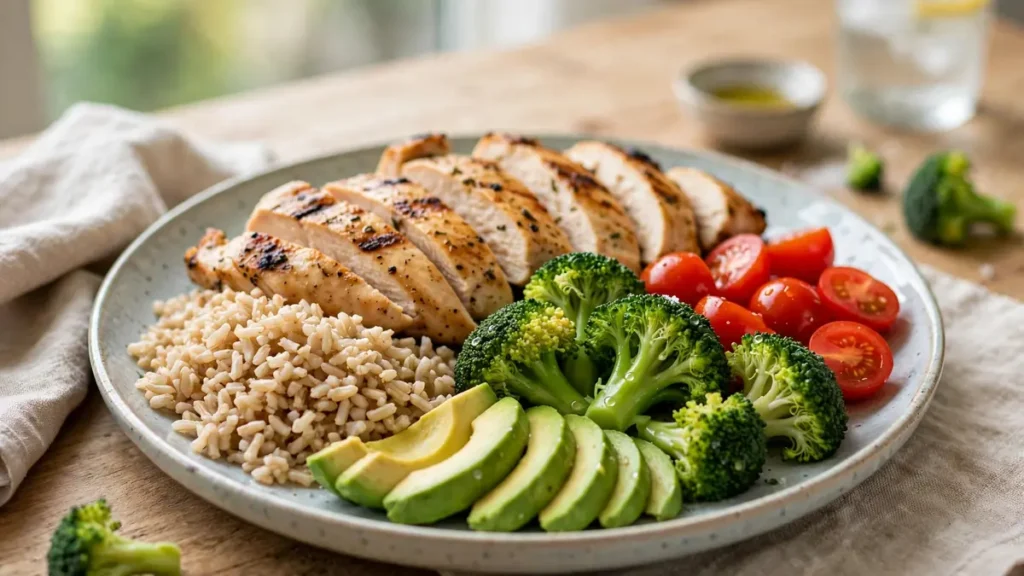
The phrase balanced diet gets thrown around a lot. Yet most people picture a sad plate of plain chicken and boiled broccoli. In reality, a balanced diet is flexible, flavorful, and built around food you actually enjoy. It is simply a way of eating that gives your body protein, fats, and carbs in the right mix. When those three work together, you feel full longer and your energy stays steady. So this guide breaks the whole idea down into plain language.
Living in Dubai makes balanced eating both easy and tricky. On one hand, supermarkets overflow with fresh produce and lean protein all year. On the other hand, brunch culture and late-night delivery test every good intention. Still, balance is not about saying no to everything fun. Instead, it is about building most meals well and enjoying treats without guilt. Even traditional Emirati plates can fit a balanced diet beautifully. Small, steady changes build a balanced diet that lasts. Check our guide to the national dish of the UAE to see how local food traditions already celebrate wholesome ingredients.
If you are new here, welcome. At gulflights.ae we share honest food guides that fit real life in the Gulf. Browse our Food section for recipes and nutrition ideas that pair well with this guide. Today, though, we focus on one question: how do you build a balanced diet that actually sticks?
What a Balanced Diet Really Looks Like
Forget complicated charts and rigid meal plans. A balanced diet follows one simple idea: every plate should mix protein, healthy fats, and complex carbohydrates. Protein repairs muscles and keeps hunger away for hours. Healthy fats support your brain and help absorb key vitamins. Complex carbohydrates give steady fuel instead of a quick spike and crash. When one of these is missing, the other two cannot carry the meal alone. For example, a plain bowl of pasta fills you fast but leaves you hungry by mid-afternoon. Add grilled chicken, olive oil, and vegetables, and the same meal holds you for hours. As a result, you eat less between meals without even trying. That is the quiet power of a balanced diet.
- Half the plate: colorful vegetables or a big fresh salad.
- A quarter: lean protein like chicken, fish, eggs, lentils, or tofu.
- A quarter: complex carbohydrates such as brown rice, quinoa, oats, or whole-grain bread.
- Finish with healthy fats: olive oil, avocado, nuts, or tahini drizzled on top.
This plate method works at home, at the office, and even at a Dubai buffet. You do not need a scale or a food diary. Just eyeball the portions and keep the ratios close. Honestly, it takes a week of practice before it feels automatic.
High-Protein Eating Without the Complications
Protein is the nutrient people ask about most, and the one they under-eat most often. Your body uses it to build muscle, repair tissue, and make hormones. Most adults feel best with a palm-sized portion of protein at every meal. For most people, that means roughly 20 to 30 grams per meal. So instead of tracking every gram, just anchor each meal around one solid protein source. Protein anchors every balanced diet, whatever your cuisine.
Chicken breast is the classic choice, and an air fryer keeps it juicy without added oil. Our air fryer chicken breast recipe shows how to get crisp edges and tender centers every time. Fish like salmon and hammour bring protein plus omega-3 fats in one package. Eggs are cheap, quick, and easy to cook a dozen ways. For plant-based protein, lentils, chickpeas, and black beans cost little and fill you up well. Meanwhile, Greek yogurt makes a breakfast or snack that quietly packs 15 grams of protein.
Batch cooking protein once a week changes everything. Spend an hour on Sunday grilling chicken, boiling eggs, and cooking lentils. Then weekday meals take ten minutes to assemble. An instant pot speeds this up even more. Our instant pot chicken recipes turn plain chicken into shredded, spiced, or soup-ready protein with almost no effort. Store cooked protein in clear containers at eye level in the fridge. When healthy food is the first thing you see, you actually eat it.
Healthy Fats: The Ones Worth Keeping
Fat spent years as the villain of nutrition advice. Then science caught up with reality: your brain is mostly fat, and your body needs it. Healthy fats keep you satisfied, protect your heart, and help absorb vitamins A, D, E, and K. The key is choosing unsaturated fats over heavily processed ones. So cook with olive oil, snack on nuts, and add avocado where you can. Healthy fats belong in every balanced diet, no matter the trend.
In the Gulf, you have a head start on healthy snacking. Dates deliver quick energy with fiber, potassium, and natural sweetness. Read about the health benefits of dates to see why they beat candy before a workout. Pair two or three dates with a handful of almonds. That combo gives you energy plus staying power, which is perfect before an evening walk. Nuts and seeds also belong in your daily rotation. Just keep portions small, since a little goes a long way.
Cooking fats matter as much as snacking fats. Extra-virgin olive oil suits salads and low-heat cooking beautifully. For high-heat stir-fries, avocado oil or ghee handle the temperature better. Meanwhile, fatty fish like sardines and mackerel deliver omega-3s that most diets lack. Try to eat fish twice a week. If you fry at home, an air fryer cuts the oil you need dramatically.
Complex Carbohydrates: Choose the Slow Burn
Carbs are not the enemy; the wrong carbs are. Complex carbohydrates digest slowly because they keep their fiber intact. That slow digestion means steady energy and fewer cravings an hour later. Think oats, brown rice, quinoa, barley, lentils, and whole-grain bread. Refined carbs like white bread and pastries digest fast and spike your blood sugar. So the goal is not zero carbs, but better carbs.
Swapping is easier than quitting. Replace white rice with brown rice or bulgur in your usual dishes. Choose whole-grain bread for sandwiches and steel-cut oats for breakfast. In Dubai supermarkets, these options sit right next to the refined versions. Also, keep portions reasonable: a fist-sized serving of grains per meal suits most people. That swap keeps the meal squarely in balanced diet territory. For example, one cup of cooked quinoa alongside grilled fish makes a complete, satisfying dinner.
Fiber is the quiet hero inside complex carbohydrates. It feeds your gut bacteria, keeps digestion smooth, and helps you feel full. Most adults need around 25 to 30 grams of fiber daily. Vegetables, fruits, beans, and whole grains all contribute. Because fiber slows everything down, a fiber-rich meal keeps you satisfied far longer than a refined one. Start by adding one extra vegetable to dinner each night.
Low-Carb Approaches That Feel Realistic
Low-carb eating works well for some people, especially those managing blood sugar. The mistake is treating it as an all-or-nothing rule. Instead, think of it as shifting the balance on your plate. Cut the grain portion in half and double the vegetables. Keep the protein the same. Suddenly the meal is lower in carbs but just as filling. Small shifts like this beat dramatic overhauls every time.
Good low carb recipes share a pattern: protein, vegetables, and a smart fat. Zucchini noodles with meat sauce, cauliflower rice stir-fry, and lettuce-wrap tacos all follow it. A lighter caesar salad with grilled chicken also fits perfectly as a low-carb lunch. The trick is flavor: garlic, lemon, herbs, and spices make simple ingredients taste rich. Nobody sticks with bland food, no matter how healthy it is.
If you go lower carb, watch out for two traps. First, some people replace carbs with too much processed meat and cheese. That swap rarely ends well. Second, cutting carbs too hard can drain your energy and mood. So keep some smart carbs if you feel better with them. A balanced diet bends to fit your life, not the other way around. Listen to your body and adjust honestly.
Eating for a Heart Healthy Diet
A heart healthy diet is not a separate plan. It is a balanced diet with a few habits turned up. Eat more vegetables, fruits, whole grains, and legumes. Choose unsaturated fats like olive oil over butter and ghee most days. Keep salt moderate, since restaurant and packaged food already add plenty. These three habits do more for your heart than any single superfood.
Omega-3 fats deserve special attention for heart health. Oily fish, walnuts, and flaxseeds are the best sources. Aim for two servings of oily fish each week. Meanwhile, fiber helps manage cholesterol, which is another reason to favor whole grains and beans. And cutting back on sugary drinks may be the single easiest heart-friendly change. Swap soda for sparkling water with lemon, and you remove a surprising amount of sugar.
Dining out in Dubai does not have to wreck the plan. Most restaurants now offer grilled, steamed, or baked options. Ask for sauces on the side so you control the amount. Start with a salad or soup instead of bread. For example, grilled hammour with vegetables and rice fits a heart healthy diet perfectly. That plate is a balanced diet dinner you can order anywhere. Enjoy the meal, eat slowly, and stop when you feel comfortably full.
Vegetarian and Vegan Options That Actually Satisfy
Plant-based eating fits a balanced diet beautifully when you plan for protein. Beans, lentils, chickpeas, tofu, and tempeh are the workhorses. Quinoa and soy milk also bring complete protein to the table. The key is combining sources through the day. Rice and beans, hummus and whole-grain pita, or lentil soup with bread all deliver what your muscles need.
Breakfast is where many people get stuck, but a vegan breakfast can be both quick and filling. Overnight oats with peanut butter and banana take two minutes to prep. Tofu scramble with turmeric and vegetables rivals any egg dish. Smoothies with soy milk, frozen berries, and a spoon of oats work for rushed mornings. Our fluffy pancake recipe can also go plant-based with simple swaps. Top pancakes with fruit and nuts instead of syrup for a balanced start.
If you want to find vegetarian recipes that keep the whole family happy, start with familiar dishes. Turn your favorite curry vegetarian by swapping chicken for chickpeas. Make pasta night meatless with a hearty lentil bolognese. Stir-fries accept tofu or tempeh without missing a beat. Also, keep nuts, seeds, and nutritional yeast in the pantry for quick protein boosts. That flexibility is what makes a balanced diet sustainable. Within a month, meatless meals will feel completely normal.
Vegetarians and vegans should watch two nutrients: B12 and iron. B12 comes mainly from animal foods, so vegans need fortified foods or a supplement. Iron from plants absorbs less easily, but vitamin C fixes that. Squeeze lemon over lentils or eat fruit with your beans. These small pairings make a real difference over time.
Balanced Eating in Dubai: A Practical Week
Theory is nice, but real life runs on routine. Here is a simple weekly rhythm that works in Dubai. Shop once for the week at your local market or supermarket. Wash and chop vegetables the same day so they are ready to grab. Cook two proteins and one big batch of grains on the weekend. Then mix and match through the week without cooking from scratch daily. This rhythm turns balanced diet principles into autopilot.
- Monday: grilled chicken, quinoa, and roasted vegetables with tahini.
- Tuesday: lentil soup with whole-grain bread and a side salad.
- Thursday: chickpea curry with bulgur and cucumber yogurt.
- Friday: family dinner out — enjoy it, then eat light on Saturday.
- Saturday: omelet with vegetables plus avocado toast.
- Sunday: meal-prep day — restock proteins, grains, and chopped vegetables.
Notice that every day follows the same plate: protein, vegetables, smart carbs, and healthy fats. You never have to wonder what to eat. And when Friday dinner arrives, you can enjoy it fully without guilt. One relaxed meal never ruins a balanced diet. What matters is the pattern across the week, not any single plate.
Desserts and Treats: Yes, They Fit
A balanced diet that bans dessert will not survive the month. Sweets fit fine when they stay occasional and portions stay sensible. The trick is eating dessert after a proper meal, not on an empty stomach. Protein and fiber slow sugar absorption and keep you satisfied. So enjoy your favorite classic apple pie without guilt — just keep the slice reasonable.
Homemade treats beat packaged ones most of the time. You control the sugar, the fat, and the portion size. Baking at home also turns dessert into an event rather than a habit. Share it with family or neighbors. When food connects people, it nourishes more than the body.
FAQs About a Balanced Diet
How many meals should I eat each day? Three balanced meals suit most people well. Add one or two small snacks if you get hungry between meals. The number matters less than the quality of each plate.
Can I follow a balanced diet on a budget? Absolutely. Dried lentils, beans, oats, eggs, and seasonal vegetables cost very little. Frozen vegetables match fresh ones for nutrition. Cook at home more often, and your grocery bill drops while your diet improves.
Is a balanced diet the same as dieting? No, and the difference matters. Dieting usually means restriction and rules. A balanced diet means including enough of everything your body needs. It is a long-term way of eating, not a short-term fix.
How fast will I see results? Energy and digestion often improve within two weeks. Weight changes take longer, usually a month or more of consistency. Focus on how you feel first. The visible changes follow the healthy habits.
Do I need supplements? Most people get everything from a varied diet. Vitamin D is the common exception in the Gulf, since many avoid the midday sun. Talk to your doctor before starting anything. Food first, supplements second.
Can kids follow a balanced diet? Yes, and they should. The same plate method works for children, just in smaller portions. Offer variety without pressure. Kids who see parents eating balanced meals usually copy them over time.
Start Your Balanced Diet This Week
Start small and stay patient with yourself. Pick one habit from this guide — the plate method, a weekly meal-prep hour, or simply more vegetables at dinner. Master it for two weeks, then add another. That is how a balanced diet becomes a lifestyle instead of a project. Your balanced diet starts with the very next meal. And when you need fresh ideas, come back for more guides and recipes.