
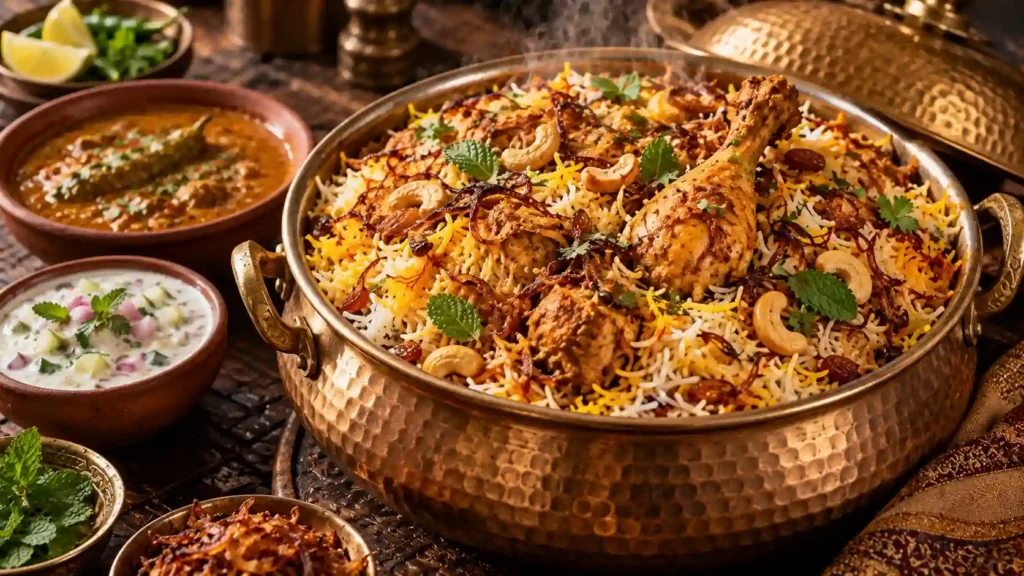
Cooking an authentic biryani recipe from scratch is widely regarded as the ultimate crowning achievement in South Asian gastronomy. Across festive royal banquets and bustling neighborhood celebrations, no dish commands greater reverence than a steaming pot of layered spiced rice. The intoxicating perfume of aged basmati, whole spices, saffron-infused milk, and succulent tender meat creates an unforgettable feast. At Gulf Lights, we deliver verified culinary guides to elevate your home dining across the United Arab Emirates and beyond.
Mastering this grand culinary centerpiece does not require professional royal court lineage. In fact, achieving restaurant-worthy biryani depends on understanding rice hydration, meat marination chemistry, and the gentle art of steam cooking. Furthermore, learning these traditional techniques allows you to conquer both quick poultry variations and slow-cooked mutton showstoppers. Consequently, you can treat your family to regal banquets that rival legendary Mughlai dining institutions. Explore our complete culinary archive through our food category hub.
The Royal Heritage: Persian Origins and Mughal Court Splendor
The cultural journey of biryani reflects centuries of imperial trade, culinary refinement, and regional adaptation. Culinary historians trace the dish’s linguistic roots to the Persian word “birian,” which translates to “fried before cooking.” In ancient Persia, cooks parboiled rice before layering it with spiced meats and baking it over gentle embers.
Furthermore, Persian travelers and Central Asian Turkic conquerors introduced these royal techniques to the Indian subcontinent during the sixteenth century. Within the opulent royal kitchens of the Mughal Empire, master chefs refined the dish into a complex art form. Imperial cooks combined local long-grain aromatic rice with fragrant native spices, floral essences, and ghee. You can review regional dining benchmarks and grocery expenses in our guide to prices in dubai for food.
Over generations, distinct regional capitals developed their own celebrated biryani traditions. From the aristocratic courts of Lucknow (Awadh) to the grand palaces of the Nizams of Hyderabad, each region crafted a unique masterpiece. Moreover, similar festive grain and meat traditions unite culinary cultures throughout the Arabian Gulf. You can explore traditional Arabian spiced rice and slow-cooked meat stews in our comprehensive guide to the national dish of uae. Biryani stands as a universal symbol of lavish celebration and gracious hospitality.
The Anatomy of Royal Biryani: Rice, Meat, Aromatics, and Dum
Crafting exceptional biryani requires a deep appreciation of its four structural pillars. Neglecting any of these essential components disrupts the delicate harmony of the dish.
First, long-grain basmati rice provides the fragrant, fluffy canvas. Each grain must cook to a separate, slender needle that never clumps or breaks. Second, the meat must undergo an extended yogurt and spice marination. The natural lactic acid in yogurt tenderizes dense muscle fibers while infusing aromatics deep into the bone. You can explore whole-bird roasting dynamics in our classic roast chicken recipe guide.
Third, the aromatic layer consists of deeply caramelized onions (birista), fresh mint leaves, chopped coriander, and saffron bloomed in warm milk. Finally, the “dum” cooking method uses low, trapped steam to marry these distinct tiers together. Understanding how these four elements interact ensures your homemade biryani achieves majestic elegance.
The Food Science of Basmati Rice: Aging, Washing, and Elongation
The foundation of every breathtaking rice dish begins with selecting and treating your grains with scientific precision. Standard supermarket white rice will turn mushy, ruining your hard work instantly.
Always source premium extra-long grain basmati rice aged for at least two years. As basmati rice ages in temperature-controlled silos, its natural moisture content decreases. This gradual dehydration firms the grain’s starch structure. Consequently, aged rice absorbs cooking liquids without breaking, expanding up to three times its raw length during boiling.
Furthermore, thorough washing is mandatory before boiling. Place the raw grains in a large bowl and rinse gently with cold water four to five times until the water runs crystal clear. Washing removes loose surface amylose starch, which is the primary cause of sticky, clumpy cooked rice. Soak the washed grains in cold water for exactly thirty minutes before parboiling. Proper soaking allows the grain’s core to hydrate evenly, preventing split ends when exposed to boiling water.
The Art of the 70% Parboil: Precision Timing and Whole Spices
The single most critical step in biryani preparation is boiling the rice to precisely seventy percent doneness. If you cook the rice fully in the water pot, it will turn into mush during the final steam phase.
Bring a large stockpot of water to a rolling boil, adding four tablespoons of kosher salt. The water must taste as salty as the ocean to season the interior of the rice grains properly. In addition, add whole aromatics: green cardamom pods, cloves, cinnamon bark, black cardamom, and a splash of cooking oil. The rolling water extracts essential oils from the spices, infusing every grain with fragrance.
Drop the soaked, drained basmati rice into the boiling water. Cook undisturbed for exactly five to six minutes. To test for seventy percent doneness, remove a single grain and press it between your thumb and index finger. The grain should bend easily and feel tender on the outside, but you should feel a firm, raw core in the center. Drain the rice immediately in a colander to halt cooking. You can verify dairy baking measurements in our kitchen reference guide on 1 cup butter in grams.
The Legendary Dum Pukht Technique: The Magic of Trapped Steam
Originating in eighteenth-century Awadh, the ancient technique of “dum pukht” translates literally to “choking the steam.” It represents one of the most sophisticated slow-cooking methods in culinary history.
In classical royal kitchens, chefs placed layered rice and marinated meats inside heavy earthenware or copper handi vessels. Next, they rolled a rope of stiff wheat dough and pressed it along the rim of the pot. Pressing a heavy lid firmly onto the dough created an airtight seal known as the “purdah.” As the sealed vessel sat over glowing wood embers, internal liquid vaporized into intense steam.
Trapped inside the hermetic seal, this pressurized steam circulates continuously from the bottom to the top. The steam forces rich meat juices upward through the rice, while floral saffron aromas penetrate downward into the meat. In modern home kitchens, you can replicate this ancient airtight seal by layering aluminum foil tightly beneath your pot lid. You can explore slow braising methods in our homestyle beef stew recipe guide. Dum cooking delivers tender meat and fragrant rice without scorching.
Kacchi vs Pakki Biryani: Understanding the Two Grand Schools
Before assembling your biryani, you must understand the profound philosophical division between the two grand styles of preparation: Kacchi and Pakki.
Pakki biryani, celebrated in Lucknow, translates to “cooked biryani.” In this approach, chefs cook the meat curry (yakhni) completely before layering it with seventy-percent cooked rice. The pot is then sealed for a brief fifteen-minute dum to meld the flavors. Because both components are pre-cooked, Pakki biryani is remarkably forgiving and accessible for home cooks. If you enjoy quick weeknight poultry cuts, compare these speedy techniques with our versatile chicken breast recipes.
In contrast, Kacchi biryani represents the pinnacle of culinary daring in Hyderabad. In this method, raw marinated meat is placed directly on the bottom of the pot, completely uncooked. Chefs spread partially cooked rice over the raw meat, seal the pot, and cook it over carefully regulated heat. The meat cooks entirely in its own juices beneath the rice blanket. While Kacchi biryani requires strict temperature discipline, it produces incomparable juiciness and deep, cohesive flavor.
The Jewel of the South: Authentic Hyderabadi Dum Biryani
Hailing from the historic capital of the Deccan, authentic hyderabadi biryani holds undisputed global fame for its bold spice profile and regal presentation. Popularized by royal Nizam banquets, this masterpiece balances fiery green chilies with cooling sour yogurt and royal saffron.
Hyderabadi cooks marinate the meat with thick sour curd, fresh ginger-garlic paste, raw papaya paste, shahi jeera (caraway seeds), mint, and birista. Raw papaya acts as an enzymatic tenderizer, breaking down tough meat proteins so the meat turns meltingly tender during the raw dum process. Furthermore, generous amounts of brown onions introduce subtle sweetness that cuts through fiery red chili heat.
When spooned onto serving platters, Hyderabadi biryani displays three distinct shades of rice: pure white grains, spicy masala-coated grains, and brilliant golden saffron strands. Diners enjoy this colorful contrast alongside spicy peanut-sesame curry and tart raita. You can explore premier Indian restaurants across the Emirates in our curated guide to the best indian restaurant in dubai. Authentic Hyderabadi biryani is pure sensory theater.
Mastering the Ultimate Chicken Biryani Recipe at Home
This master chicken biryani recipe delivers tender, succulent bone-in poultry and fragrant, separated basmati rice in sixty minutes. Follow these step-by-step instructions for guaranteed dining triumph.
- Marinate the Poultry: In a large bowl, combine one kilogram of bone-in chicken thighs and drumsticks with one cup of thick plain yogurt, two tablespoons of ginger-garlic paste, one tablespoon of Kashmiri chili powder, one teaspoon of turmeric, one tablespoon of garam masala, and two teaspoons of salt. Stir in half a cup of chopped mint and coriander. Refrigerate for at least two hours.
- Fry the Birista: Thinly slice three large yellow onions. Fry in one cup of hot oil over medium heat until evenly golden-brown and crisp. Drain immediately on paper towels. Set aside half for layering.
- Parboil the Rice: Wash and soak three cups of aged basmati rice for thirty minutes. Boil in a large pot of salted water with green cardamom, cloves, and bay leaves for six minutes until seventy percent cooked. Drain thoroughly.
- Sear the Chicken Base: In a heavy-bottomed Dutch oven or handi, heat three tablespoons of ghee. Add the marinated chicken and cook over high heat for eight minutes until the exterior turns golden and releases aromatic oils.
- Layer the Aromatics: Turn heat to low. Smooth the chicken into an even layer at the bottom of the pot. Scatter half of the crispy fried onions, fresh mint leaves, and chopped cilantro over the meat.
- Layer the Rice: Spread the drained basmati rice evenly over the chicken base. Drizzle three tablespoons of warm milk infused with crushed saffron threads and two tablespoons of melted ghee across the top.
- Seal for Dum: Cover the pot tightly with heavy aluminum foil, then press the lid down firmly. Cook over medium-high heat for five minutes to generate internal steam.
- Gentle Steam Finish: Place a heavy flat tawa (griddle) beneath the pot. Reduce heat to the lowest setting and cook undisturbed for twenty-five minutes. Turn off the heat and let rest for ten minutes without opening.
- Fluff and Serve: Remove the lid and gently fluff the rice with a flat silicone spatula, lifting from the bottom to display distinct tiers of white, yellow, and spiced rice.
Serve immediately with chilled raita and lemon wedges. Pair this royal rice feast with freshly baked flatbreads from our authentic naan bread recipe collection.
Imperial Decadence: Authentic Mutton Biryani Masterclass
While chicken biryani is beloved for everyday dining, a grand celebration demands the deep, opulent richness of traditional mutton biryani. Cooking goat or lamb requires longer marination and patient heat regulation to ensure complete tenderness.
Always select bone-in cuts from the shoulder and shank (ran and dasti). The bones contain gelatinous marrow that melts during the extended dum cooking, creating an unctuous, rich sauce beneath the rice. Marinate the mutton pieces for at least twelve hours in Greek yogurt, raw papaya paste, mustard oil, and toasted whole spices. If you enjoy slow-simmered beef comfort, explore our homestyle beef stew recipe guide.
Because mutton requires more time to cook than poultry, extend the low-heat dum phase to forty-five minutes over a heavy cast-iron tawa. The meat transforms into succulent morsels that pull away from the bone effortlessly. Savoring rich mutton fat married with fragrant basmati is an unforgettable dining experience. Compare these slow-cooking methods with our traditional shredded barbecue in our classic pulled pork recipe guide.
Garden Elegance: Vibrant Vegetable and Paneer Biryani
Vegetarian diners enjoy equal grandeur with an authentic, wholesome veg biryani. Far from being simple seasoned rice, genuine vegetable biryani treats garden produce with royal respect.
Combine cauliflower florets, diced carrots, green beans, sweet peas, and cubes of rich paneer cheese. Marinate the vegetables in spiced yogurt, ginger, and fresh mint for thirty minutes. Pan-fry the marinated paneer cubes in ghee until golden brown before assembling to ensure they hold their shape during steaming. If you love burger patties, explore our skillet techniques in our smash burger recipe guide.
Layer the spiced vegetables with fragrant saffron rice, fried onions, and toasted cashews. The vegetables steam to crisp-tender perfection, releasing natural sweetness that infuses the surrounding rice. This wholesome preparation delivers complete vegetarian protein and rich dietary fiber. Vegetarian biryani proves that meatless dining can match imperial splendor.
Subtle Aromatics: Fragrant Jeera Rice and Pilau Rice Traditions
While biryani represents a rich, layered multi-course meal, simpler aromatic rice dishes provide elegant foundations for weekly dining. Both fragrant jeera rice and classic pilau rice offer light, comforting alternatives.
Jeera rice celebrates the nutty, earthy perfume of whole cumin seeds toasted in pure ghee. Add soaked basmati rice to the sizzling cumin seeds, toast for two minutes, and simmer with water until fluffy. In contrast, pilau rice simmers long-grain rice directly inside seasoned meat or vegetable broth with mild aromatics like cardamom, cinnamon, and cloves.
Unlike biryani, pilau is an un-layered, one-pot dish where rice and meat cook together uniformly. Pair fluffy jeera rice or pilau with royal North Indian gravies from our celebrated butter chicken recipe collection. These delicate rice preparations elevate weeknight curries into memorable banquets.
Essential Side Accompaniments: Mirchi Ka Salan and Cooling Raita
Because biryani is intensely spiced and complex, traditional accompaniments are mandatory to balance the dining experience. Serving proper condiments cleanses the palate between rich bites.
First, authentic Hyderabadi Mirchi ka Salan is a tangy, nutty curry crafted from large mild green chilies. The gravy blends roasted peanuts, sesame seeds, desiccated coconut, tamarind pulp, and ginger into a velvety sauce. The nutty tamarind sauce cuts through rich meat fat beautifully. Second, a refreshing cucumber-mint raita combines thick whisked curd, diced cucumbers, roasted cumin powder, and black salt.
The cooling dairy fats in raita soothe the palate from chili heat, while lactobacillus cultures aid digestion. In addition, serve crisp raw onion rings, fresh lemon wedges, and green chilies on the side. If you love crisp fresh greens, explore our dressing foundations in our authentic caesar salad recipe. Harmonious accompaniments transform a single pot of rice into a celebratory feast.
Crucial Mistakes to Avoid: Preventing Soggy Grains and Burnt Bases
Cooking biryani involves delicate food physics, and small missteps can compromise your finished masterpiece. Avoiding these common mistakes guarantees professional results.
First, never skip the heavy tawa (diffuser plate) beneath your cooking vessel during the dum phase. Placing a pot directly over high gas flames will scorch the bottom meat layer before the rice can steam through. Second, resist the urge to open the pot lid during the steaming process. Peeking allows precious steam to escape, leaving the top layer of rice dry and brittle.
Third, never use a heavy metal spoon to stir hot biryani vigorously. Violent stirring breaks delicate elongated rice grains into short, broken pieces. Instead, gently slide a flat silicone spatula along the outer edge of the pot, lifting the rice in wide sheets. You can review corporate regulatory standards and safety practices in our legal and government services directory. Respecting these small details ensures visual and textural perfection.
Nutritional Power: Spices, Saffron, and Digestive Health
Nutritionists celebrate traditional biryani as a well-rounded meal rich in wholesome macronutrients and potent functional spices. Savoring well-prepared biryani delivers exceptional wellness benefits.
Whole spices like cardamom, cloves, cinnamon, and cumin are packed with powerful antioxidants and essential oils. These bioactive compounds stimulate digestive enzymes, soothe gastrointestinal inflammation, and support healthy metabolic function. Furthermore, pure saffron provides crocin, a unique carotenoid antioxidant known to support emotional mood balance and ocular wellness.
In addition, pairing lean chicken breast or goat meat with basmati rice provides complete dietary protein and clean complex carbohydrates. Discover how whole-food lifestyle frameworks support lifelong vitality in our comprehensive guide to a balanced diet. You can also explore nutrient-dense natural superfoods in our analysis of dates benefits. Mindful portion control allows you to enjoy royal biryani as part of a wholesome lifestyle.
Safe Food Handling, Resting, and Storing Leftovers
Handling cooked rice and marinated poultry requires strict temperature hygiene to prevent foodborne illness. Following professional food safety rules keeps your household safe.
Cooked rice contains Bacillus cereus spores that can survive boiling water. If cooked rice sits at room temperature for hours, these bacterial spores produce heat-stable toxins. Therefore, always cool leftover biryani to room temperature within ninety minutes of cooking, and refrigerate in shallow, airtight glass containers for up to three days.
When reheating leftover biryani, never microwave it dry. Instead, sprinkle two tablespoons of water or chicken broth over the rice, cover loosely, and steam in a saucepan over medium-low heat for eight minutes. The gentle steam revives dried grains, restoring their original fluffy moisture. If you love crispy chicken breasts, explore our breaded cutlet techniques in our classic fried chicken recipe guide. Safe kitchen habits ensure every meal remains delicious and wholesome.
Commercial Hospitality Careers in South Asian Banquet Operations
Mastering authentic dum cooking, high-volume banquet rice fabrication, and royal meat butchery are elite culinary competencies evaluated across the global hospitality sector. In luxury international hotel chains, catering halls, and specialized Indian restaurants, biryani masters command immense respect.
Talented master chefs (Ustaads), line cooks, and kitchen managers enjoy robust recruitment demand across major gastronomic hubs like Dubai. If you are exploring professional vocational paths in gastronomy, review our comprehensive guide on hospitality tourism jobs. In addition, executive chefs and restaurant operations directors command prestigious compensation packages. Explore executive salary scales in our guide to the highest paying jobs.
Furthermore, restaurant networks rely on temperature-controlled warehousing to store aged basmati rice, saffron, and halal meats safely. Candidates interested in supply logistics can explore opportunities in our guide on dubai warehouse logistics jobs. Dedicated culinary staff can advance into corporate leadership roles through strategic career change growth. Many international culinary talents relocate using our guide to work abroad. You can study statutory labor standards in our analysis of the labour law uae.
Frequently Asked Questions About Cooking Biryani
Why is my biryani rice mushy instead of separate?
Rice turns mushy when it is overcooked during the initial boil or when excess water remains in the meat base. Boil aged basmati for only six minutes until seventy percent cooked, drain thoroughly, and ensure your meat marinade is thick rather than watery.
Can I use boneless chicken breast for chicken biryani?
While you can use boneless chicken breast, bone-in poultry thighs and drumsticks produce significantly juicier results. Bones release rich gelatin and flavor compounds during the dum steaming, keeping the meat moist under intense heat.
What can I use instead of saffron for the golden color?
While pure saffron provides an unmatched floral aroma, a quarter teaspoon of ground turmeric mixed with two tablespoons of warm milk produces a beautiful golden-yellow hue. Saffron-infused milk remains the royal gold standard for authentic fragrance.
How do I prevent the meat from sticking to the bottom of the pot?
Always cook biryani over a heavy-bottomed pot, and place a thick flat tawa (griddle) between the burner flame and your pot during the low-heat dum phase. The tawa diffuses heat evenly, preventing scorching.
Mastering this royal biryani recipe gives you the culinary confidence to prepare majestic, restaurant-quality South Asian feasts right in your own kitchen. By selecting aged basmati rice, respecting the seventy-percent parboil rule, and harnessing the gentle power of dum steam, you can create extraordinary culinary banquets that bring loved ones together. For additional culinary tutorials, kitchen advice, and verified lifestyle guides, connect with our specialist team via the Gulf Lights contact page. Discover more inspirational cooking articles on the Gulf Lights blog.