
The car in your driveway today would seem like something from the future to a driver of a few decades ago. Modern vehicles can park themselves, warn you of dangers, connect to the internet, and in some cases even drive themselves for stretches of road. This astonishing transformation is the result of automotive technology, one of the most dynamic and rapidly advancing fields in all of engineering.
Cars have evolved from simple mechanical machines into sophisticated computers on wheels, packed with electronics, software, and precision-engineered components. But what does automotive technology really involve, and how are these remarkable machines actually built? In this guide, we will explore what automotive technology means, how modern cars are manufactured, the precision techniques that make them possible, and where this exciting field is heading. Whether you are a car enthusiast, a curious mind, or thinking about a career in the industry, you will come away with a richer understanding of the technology that gets us moving.
What Is Automotive Technology?
Automotive technology is the application of science and engineering to the design, development, manufacture, and repair of vehicles. It covers everything involved in creating modern cars, trucks, and other vehicles, from the engines and electronics to the safety systems and manufacturing processes. It is a broad field that blends many disciplines, including mechanical engineering, electronics, computing, and materials science.
Modern automotive technology goes far beyond the traditional image of engines and gears. Today’s vehicles contain sophisticated computer systems, advanced sensors, and complex software that manage everything from engine performance to safety features. A modern car can contain millions of lines of code and dozens of tiny computers working together. This makes today’s vehicles some of the most technologically advanced products most people ever own.
The field continues to evolve at a remarkable pace, driven by demands for greater safety, efficiency, and convenience. Electric vehicles, connected features, and driver-assistance systems are all pushing automotive technology forward rapidly. This makes it a genuinely exciting part of modern emerging technology, where mechanical engineering meets cutting-edge computing in fascinating ways.
How Modern Cars Are Manufactured
Building a modern vehicle is an extraordinary feat of engineering and coordination. It involves bringing together thousands of components, each made to precise specifications, and assembling them into a machine that must be safe, reliable, and durable. The manufacturing process itself relies heavily on advanced automotive technology.
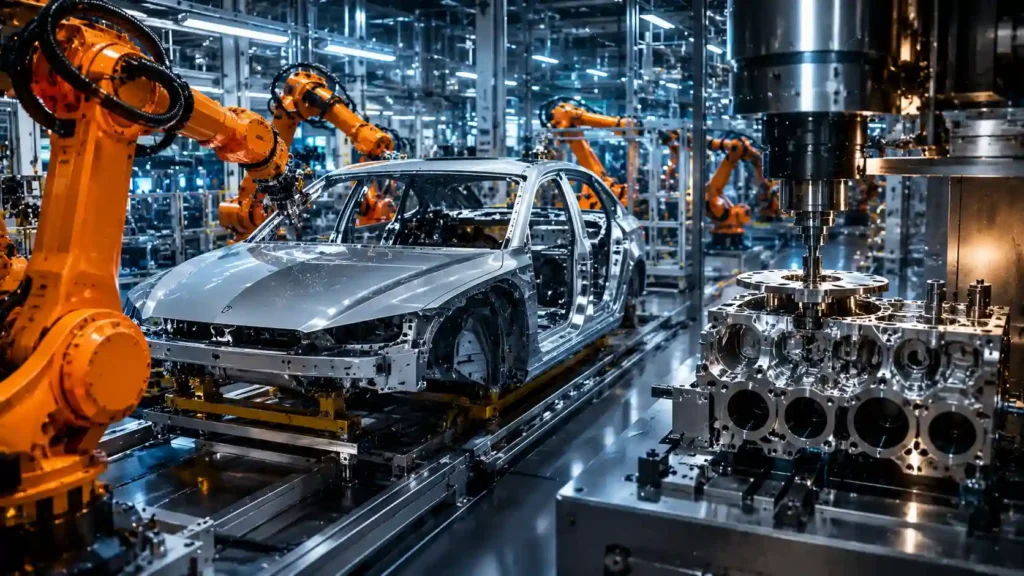
Modern car factories are marvels of automation, where robots and precision machines work alongside skilled human workers. Here are some of the key aspects of how vehicles come together:
- Precision manufacturing: Components are made to exact measurements using advanced machinery for perfect fit and function.
- Robotic assembly: Robots handle many repetitive and precise tasks, from welding to painting, with remarkable consistency.
- Quality control: Sophisticated systems check components and finished vehicles to ensure they meet strict standards.
- Computer-aided design: Engineers design vehicles and parts using powerful software before anything is built.
This combination of human skill and advanced machinery allows manufacturers to produce vehicles of remarkable quality and consistency at scale. The precision involved is genuinely impressive, with many components made to tolerances finer than a human hair. Much of this depends on the different types of computer software that guide the design and manufacturing process from start to finish.
The Role of CNC and Precision Machining
One of the most important technologies in automotive manufacturing is precision machining, and at its heart lies a technique known as computer numerical control. This is the technology that allows machines to shape metal and other materials with extraordinary precision, guided entirely by computer instructions.
Computer numerical control, usually shortened to CNC, works by taking a digital design and using it to control machinery automatically. A CNC machine can cut, drill, and shape components exactly according to the design, repeating the process perfectly thousands of times. This precision and consistency are essential in automotive manufacturing, where even tiny variations can affect how well a part performs. It is a beautiful example of how computing and mechanical engineering come together.
The people who operate this machinery play a vital role. A cnc machine operator sets up, runs, and monitors these sophisticated machines, ensuring they produce components correctly and efficiently. It is a skilled role that combines technical knowledge with practical expertise, and it is in demand across manufacturing industries, not just automotive. For those interested in hands-on work with advanced technology, becoming a cnc machine operator offers a solid and rewarding career path. This precision engineering connects closely to the wider world of information technology, since modern vehicles depend heavily on precisely controlled digital systems.
The Electric Vehicle Revolution
Perhaps no development in automotive technology is more significant right now than the shift toward electric vehicles. As the world seeks cleaner, more sustainable transport, electric cars have moved from a niche curiosity to a major part of the industry’s future. This transformation is reshaping how vehicles are designed, built, and powered.
Electric vehicles work very differently from traditional cars. Instead of an engine burning fuel, they use electric motors powered by large batteries. This brings many advantages, including zero direct emissions, quieter operation, and often lower running costs. It also requires entirely new engineering approaches, from battery technology to the systems that manage power flow throughout the vehicle.
The rise of electric vehicles depends heavily on sophisticated technology, particularly in managing and converting electrical power efficiently. This connects directly to power electronics, the field responsible for controlling the flow of electricity that drives these vehicles. As battery technology and charging systems continue to improve, electric vehicles are becoming more practical and appealing, marking one of the biggest shifts in the history of automotive technology.
Smart and Connected Cars
Beyond how they are powered, modern vehicles are becoming increasingly smart and connected. Today’s cars can link to the internet, communicate with other devices, and offer features that would have seemed like science fiction not long ago. This connectivity is transforming the driving experience in profound ways.
Connected cars can provide real-time navigation, receive software updates that improve their features, and offer entertainment and information services on the go. They can alert drivers to traffic and hazards, and some can even communicate with other vehicles and infrastructure to improve safety. This deep integration of connectivity places modern vehicles firmly within the world of smart technology, where everyday objects become intelligent and connected across a computer network, sometimes even linking to satellites from modern space technology for navigation.
All this connectivity brings enormous benefits, but it also raises important considerations. As cars become more connected, keeping their systems secure becomes essential, since a vehicle’s computer systems must be protected from threats. This connects to the crucial field of computer security, which is increasingly important in the automotive world. Manufacturers work hard to keep these systems safe, and it is a growing area of focus as vehicles become ever more connected.
Self-Driving and Driver-Assistance Technology
One of the most talked-about areas of automotive technology is the development of self-driving and driver-assistance features. These systems use sensors, cameras, and intelligent software to help vehicles understand their surroundings and, in some cases, drive themselves. It is a field advancing rapidly and capturing the imagination of many.
Many modern cars already include driver-assistance features that make driving safer and easier. These might include systems that help keep the car in its lane, maintain a safe distance from the vehicle ahead, warn of hazards, or assist with parking. These features do not replace the driver but support them, reducing the risk of accidents and easing the strain of driving.
Fully self-driving vehicles remain a work in progress, with much research and testing still underway. The technology relies heavily on artificial intelligence, which allows vehicles to interpret their surroundings and make decisions, work often carried out by a skilled machine learning engineer. While the dream of cars that drive themselves everywhere is not yet fully realised, progress continues steadily. As with any developing technology, it is wise to follow official and reliable sources for the latest, accurate information rather than relying on hype, since capabilities and regulations continue to evolve.
Careers in Automotive Technology
The automotive industry offers a wide range of career opportunities, and the increasing role of technology has only expanded them. As vehicles become more sophisticated, the industry needs people with diverse skills, from traditional mechanical expertise to cutting-edge software and electronics knowledge. It is a field with something for many different interests.
Careers span a broad spectrum. There are roles in design and engineering, developing the vehicles of the future. There are manufacturing roles, including the skilled cnc machine operator and others who build vehicles with precision. There are technicians who service and repair modern vehicles, work that increasingly requires understanding complex electronics and software. And there are emerging roles focused on electric vehicles, connectivity, and autonomous systems.
What makes automotive careers appealing is this blend of traditional and cutting-edge work. Whether you love working with your hands, solving engineering challenges, or developing advanced software, there is likely a path for you. The skills often connect to broader fields too, giving you flexibility. As the industry continues its rapid transformation, skilled professionals who understand modern automotive technology will remain in strong demand, making it a promising area to build a career.
Safety Technology That Protects Lives
Among all the advances in automotive technology, few matter more than those that keep people safe. Cars are far safer today than they were in the past, and this is largely thanks to a steady stream of technological improvements designed to protect drivers, passengers, and pedestrians alike.
Modern vehicles include an impressive array of safety features working together. Structural designs absorb the force of impacts, protecting those inside. Airbags deploy in fractions of a second when needed. Advanced braking systems help drivers stop safely and maintain control. Sensors and cameras watch for dangers the driver might miss, warning of hazards or even intervening to prevent accidents. Each of these represents years of research and engineering focused on saving lives.
What makes modern safety technology especially powerful is how these systems work together intelligently. Sensors feed information to onboard computers, which can respond faster than any human. This ongoing focus on safety reflects the automotive industry’s commitment to protecting people, and it remains one of the most important and rewarding aspects of automotive technology. As vehicles grow smarter, these safety systems will only become more capable and effective.
The Future of Automotive Technology
The road ahead for automotive technology is genuinely exciting, with innovations promising to transform how we travel. Several major trends are shaping the future, and together they point toward vehicles that are cleaner, safer, smarter, and more connected than ever before.
The shift to electric vehicles will continue, driven by environmental concerns and improving technology. Driver-assistance and autonomous features will grow more capable, making driving safer. Vehicles will become even more connected, integrating seamlessly with our digital lives and with smart city infrastructure. And new materials and manufacturing techniques, drawing on advances in fields like nanotechnology, will make vehicles lighter, stronger, and more efficient.
These changes are also connected to broader visions for the future of transport and cities. In forward-looking regions such as the UAE, investment in advanced transport aligns with wider ambitions in technology and artificial intelligence in the UAE. While no one can predict every detail, the direction is clear: the vehicles of tomorrow will be remarkable machines, blending mechanical engineering with the very latest in computing and connectivity.
Frequently Asked Questions
What is CNC in automotive manufacturing? CNC stands for computer numerical control, a technology that uses computer instructions to control machinery with great precision. In automotive manufacturing, it is used to make components accurately and consistently, which is essential for building reliable vehicles.
Are electric cars really better for the environment? Electric vehicles produce no direct emissions while driving, which helps improve air quality. Their overall environmental impact depends on factors like how the electricity is generated. For the full picture, it is best to consult reliable, up-to-date sources on the topic.
Will all cars be self-driving soon? Fully self-driving cars are still being developed and tested, and widespread adoption will take time. Many cars already have driver-assistance features that help with safety, but complete autonomy everywhere remains a work in progress subject to technology and regulation.
Final Thoughts
Automotive technology has transformed the humble car into a sophisticated machine that blends mechanical engineering, electronics, and software in remarkable ways. From the precision of computer numerical control in manufacturing to the electric motors and intelligent systems in modern vehicles, this dynamic field shapes how we all get around.
As the industry continues its rapid evolution toward electric, connected, and increasingly autonomous vehicles, automotive technology will only grow more fascinating. Understanding it gives you a deeper appreciation for the engineering marvels we so often take for granted. To keep exploring the technologies driving our world forward, browse more articles across the Technology section of our blog, and feel free to contact us with any questions. The future of driving is being engineered right now, and it looks brighter than ever.