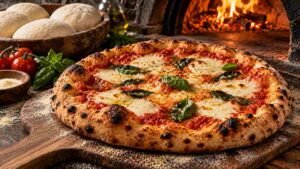
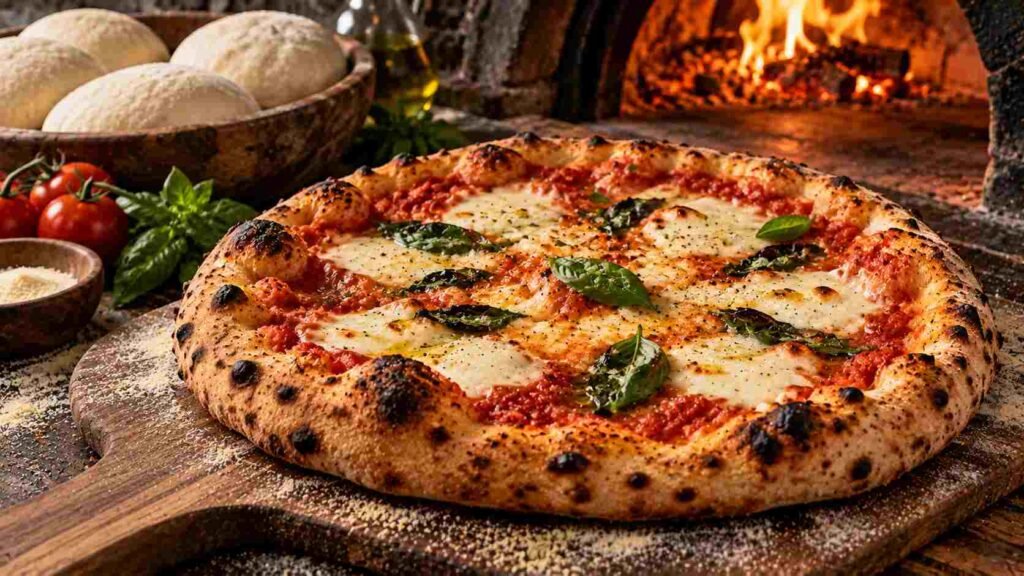
Baking an authentic pizza dough recipe from scratch is one of the most satisfying achievements in home cooking. Across global culinary cultures, pizza represents the ultimate celebration of simple, wholesome pantry staples. Few sensory pleasures compare to the aroma of fermenting yeast, wood smoke, and blistering dough. When baked over intense heat, fresh dough transforms into an airy, blistered crust with an irresistible chew. At Gulf Lights, we deliver verified culinary guides to help you create memorable gastronomic feasts in your kitchen.
Crafting pizzeria-quality crusts does not require expensive brick ovens or secret culinary pedigrees. In fact, true dough mastery depends on understanding flour protein chemistry, hydration percentages, and patient fermentation. Furthermore, making your own dough allows you to eliminate artificial preservatives, dough conditioners, and hydrogenated oils commonly found in commercial frozen pies. Consequently, you can treat your loved ones to fresh, artisanal meals at a fraction of restaurant delivery prices. Explore our complete culinary archive through our food category hub.
The Ancient History of Flatbreads and Neapolitan Pizza
The global love affair with baked dough began thousands of years ago in the Mediterranean basin. Ancient civilizations discovered that baking flat dough disks on hot stones provided portable, nourishing food. For centuries, Egyptian, Greek, and Roman soldiers baked seasoned dough topped with olive oil, wild herbs, and regional cheeses.
However, the modern pizza we cherish today was born in eighteenth-century Naples, Italy. When Spanish explorers introduced tomatoes from the Americas to Southern Europe, Neapolitan street vendors began spreading sweet tomato purée over flat yeast bread. In 1889, baker Raffaele Esposito created the famous Pizza Margherita to honor Queen Margherita of Savoy. He topped the dough with red tomatoes, white mozzarella, and green basil to represent the Italian national flag. You can review regional household grocery budgets and dining benchmarks in our guide to prices in dubai for food.
Moreover, similar flatbread traditions flourish across global food cultures. From Arabian manakish to Indian clay-oven breads, high-heat dough baking unites diners across borders. You can explore traditional Gulf grain and meat stews in our comprehensive guide to the national dish of uae. Pizza represents the timeless evolution of humble grain into an international culinary treasure.
The Science of Fermentation: Flour, Yeast, Water, and Salt
Baking exceptional dough is fundamentally an exercise in biological and chemical food science. Great pizza dough relies on only four humble ingredients: flour, water, yeast, and salt. Every element performs a vital biochemical role.
First, yeast functions as the living engine of your dough. As yeast cells consume simple sugars present in flour starches, they produce carbon dioxide gas and ethanol alcohol. The expanding carbon dioxide gas becomes trapped within the gluten matrix, inflating microscopic bubbles that create an airy crumb. Meanwhile, the alcohol evaporates during baking, leaving behind complex, savory aromas.
Second, salt does far more than enhance flavor. Salt strengthens the gluten network by tightening protein bonds, preventing the dough from tearing easily. Furthermore, salt regulates yeast fermentation speed, ensuring the yeast does not consume all available sugars too quickly. In contrast, water hydrates flour proteins, allowing gluten to form naturally through mechanical kneading. Understanding these biological dynamics transforms beginner bakers into confident pizzaiolos.
Flour Selection: Tipo 00 vs Bread Flour vs All-Purpose
The texture of your finished crust depends heavily on the flour you choose at the grocery store. Different wheat flours possess distinct protein levels and milling textures.
Italian “Tipo 00” flour represents the undisputed gold standard for Neapolitan pizza. Milled from hard durum wheat, Tipo 00 is ground to a powder as fine as talcum powder. It contains roughly twelve percent protein. This microscopic fineness allows the dough to absorb water rapidly, producing a crust that is crisp on the exterior and cloud-like inside. Consequently, Tipo 00 withstands blazing 450°C (850°F) oven temperatures without scorching.
If Tipo 00 is unavailable, unbleached bread flour is the best alternative. Bread flour contains fourteen percent protein, delivering significant gluten strength and a hearty, chewy bite. In contrast, standard all-purpose flour has lower protein levels (ten to eleven percent). While all-purpose flour produces tasty quick flatbreads, it lacks the elastic backbone needed for thin, airy pizza crusts. Sourcing quality high-protein flour ensures your dough stretches effortlessly without tearing.
Hydration Percentages: Understanding Baker’s Math
Professional pizza chefs communicate recipes using a standardized system known as baker’s percentages. In baker’s math, the total weight of flour always represents one hundred percent, and all other ingredients are calculated relative to that flour weight.
Hydration refers to the weight of water compared to the weight of flour. For example, if a recipe uses 1,000 grams of flour and 650 grams of water, the dough has a sixty-five percent hydration level. Low-hydration doughs (fifty-five to sixty percent) are stiff, firm, and easy to handle, producing dense, crispy crackers. In contrast, high-hydration doughs (seventy to seventy-five percent) are sticky and wet, producing giant, airy air pockets known as the alveoli.
For standard home kitchens using residential ovens, sixty-five percent hydration represents the ideal sweet spot. It provides enough moisture to steam and puff in an ordinary oven while remaining easy to stretch by hand. You can verify dairy baking measurements in our kitchen reference guide on 1 cup butter in grams. Mastering hydration math gives you complete control over crust texture.
Mastering the Ultimate Pizza Dough Recipe at Home
This master pizza dough recipe produces four individual 250-gram dough balls that yield thin, blistered artisanal crusts. Follow these step-by-step instructions for guaranteed baking triumph.
- Hydrate the Yeast: In a large mixing bowl, whisk 325 grams of lukewarm water (30°C / 86°F) with three grams of active dry yeast. Let it stand for five minutes until lightly frothy.
- Incorporate the Flour: Add 500 grams of Tipo 00 or unbleached bread flour to the water. Mix with a wooden spoon or your hands until a shaggy, wet dough forms with no dry flour pockets.
- Autolyse Rest: Cover the bowl with a damp kitchen towel and let it rest undisturbed for twenty minutes. This rest window, called an autolyse, allows the flour to hydrate fully before adding salt.
- Add Salt and Knead: Sprinkle ten grams of fine sea salt and ten grams of extra virgin olive oil over the dough. Knead vigorously on an un-floured countertop for eight minutes until the surface turns smooth, supple, and elastic.
- Bulk Fermentation: Shape the dough into a smooth ball. Place it in a lightly oiled bowl, cover tightly with plastic wrap, and let it rise at room temperature for two hours until doubled in size.
- Divide and Ball: Divide the risen dough into four equal 210-gram portions. Tuck the edges underneath each portion to form tight, smooth spherical dough balls with smooth tops.
- Cold Ferment: Place the dough balls onto an oiled baking sheet, cover tightly with plastic wrap, and refrigerate for twenty-four to seventy-two hours.
- Bring to Room Temp: Remove dough balls from the refrigerator two hours before baking. Cold dough contracts like an elastic band; warm dough stretches effortlessly.
Stretch each ball by hand onto semolina flour, top with your favorite ingredients, and bake over blazing heat. Pair your homemade pizza feast with artisanal flatbreads from our naan bread recipe collection.
The Magic of Cold Fermentation: 72-Hour Flavor Development
While you can bake dough after a brief two-hour room-temperature rise, practicing cold fermentation elevates homemade crust into another culinary dimension. Cold fermentation involves placing shaped dough balls in the refrigerator (4°C / 40°F) for one to three days.
Chilled temperatures slow yeast activity dramatically, preventing the dough from over-proofing. However, natural enzymes called amylases and proteases continue working actively in the cold. Amylase breaks complex wheat starches down into simple sugars, which caramelize into dark leopard spots during baking. Meanwhile, protease enzymes gently break down gluten proteins, making the dough exceptionally tender and digestible.
Furthermore, slow bacterial fermentation produces lactic and acetic acids. These organic acids impart complex, buttery, and slightly tangy flavor notes reminiscent of artisanal sourdough. A 72-hour cold-fermented dough transforms basic flour into a gourmet culinary revelation. If you enjoy patient slow-cooking methods, explore our homestyle beef stew recipe. Patience in breadmaking yields extraordinary flavor dividends.
Crafting the Perfect No-Cook Pizza Sauce Recipe
A common beginner mistake is spreading pre-cooked pasta sauce over raw pizza dough. Simmering pasta sauce beforehand drives off fresh herbal brightness. When a pre-cooked sauce bakes a second time on a pizza, it turns dark, bitter, and muddy.
In contrast, an authentic pizza sauce recipe is completely uncooked. The sauce cooks for the very first time inside the hot oven directly atop the dough, preserving sweet, vibrant tomato freshness. To craft authentic sauce, empty one can of whole San Marzano plum tomatoes into a bowl. Crush the tomatoes gently with your clean hands or pulse briefly with an immersion blender.
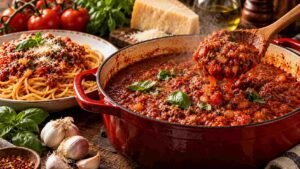
Stir in one teaspoon of fine sea salt, one tablespoon of premium extra virgin olive oil, and two fresh basil leaves. Do not add oregano, garlic powder, or sugar. Simplicity allows the bright acidity of the tomatoes to cut through rich, melted cheese. Explore cooked pasta reductions in our specialized homemade spaghetti sauce guide. Raw, crushed San Marzanos provide the cleanest foundation for your pizza.
Neapolitan Style vs New York Style Pizza Crusts
Home bakers generally gravitate toward two celebrated regional styles: delicate Neapolitan or hearty New York style. Understanding their differences helps you tailor your recipe to your family’s preferences.
Traditional Neapolitan pizza features an ultra-thin center, soft and floppy texture, and a towering, blistered outer rim called the “cornicione.” It requires blazing 480°C (900°F) heat and bakes in ninety seconds. Diners typically eat Neapolitan pizza with a knife and fork. In contrast, an authentic New York pizza crust recipe is designed for eating on the go.
New York dough incorporates a small amount of olive oil and sugar. The sugar aids browning in cooler 260°C (500°F) home ovens, while olive oil softens the crumb. As a result, New York crust is crisp on the bottom, chewy in the center, and sturdy enough to fold in half without breaking. If you enjoy hearty handheld street foods, compare this with our bodega favorites in our smash burger recipe guide.
Windy City Decadence: Authentic Chicago Deep Dish Pizza
For diners who crave towering comfort, Chicago-style deep dish pizza delivers rich, buttery indulgence. Invented in 1943 at Pizzeria Uno, this dish resembles a savory pie rather than a flatbread.
Deep dish dough features a high fat ratio, incorporating softened butter and yellow cornmeal into the flour. The cornmeal provides a golden color and pleasant crunch, while butter creates a flaky, biscuit-like crumb. Press the dough into a deep, seasoned cast-iron skillet or cake pan, pushing the dough high up the sides.
Crucially, deep dish reverses standard topping order to prevent ingredients from burning during a forty-minute bake. First, place thick slices of mozzarella cheese directly on the raw dough. Second, layer seasoned ground sausage, beef, or vegetables over the cheese. You can review ground meat butchery dynamics in our master guide to ground beef recipes. Finally, top the pie with a heavy blanket of crushed plum tomatoes and grated parmesan. Deep dish represents Midwestern culinary comfort at its finest.
Folded Italian Street Comfort: Authentic Calzones
Originating on the bustling streets of Naples, a traditional folded calzone offers a portable pocket of molten cheese and savory fillings. Calzone translates literally to “trouser leg,” referencing its historic popularity as walking food for workers.
To craft a calzone, stretch a standard 200-gram dough ball into a round disk. Spoon seasoned ricotta cheese, shredded mozzarella, and diced cured beef or sautéed mushrooms over one half of the dough. Never add tomato sauce inside a calzone; internal tomato liquid generates steam that bursts the dough seam open during baking.
Fold the empty half of the dough over the filling to create a half-moon shape. Crimp the edges tightly with your fingers to seal the pocket securely. Cut two small steam vents in the top and brush with olive oil. Bake at 230°C (450°F) for fifteen minutes until puffed and golden brown. Serve hot alongside a warm bowl of marinara for dipping. If you enjoy slow-cooked shredded meats, check our classic pulled pork recipe. Calzones deliver cheesy handheld luxury.
Artisanal Italian Flatbreads: Ligurian Focaccia Bread
Hailing from the sun-drenched coastal cliffs of Genoa, traditional Ligurian focaccia bread represents the pinnacle of olive oil baking. Focaccia is a thick, airy flatbread characterized by its dimpled surface and crisp, fried bottom crust.
Focaccia utilizes a wet, high-hydration dough (seventy-five to eighty percent). Pour the fermented dough into a deep baking pan generously coated in extra virgin olive oil. Let the dough proof until puffy and jiggly. Next, pour a salty brine of water and olive oil over the surface.
Use your fingertips to press deep dimples across the dough, pushing all the way to the bottom of the pan. These dimples trap pools of olive oil and brine, creating contrasting pockets of softness and crunch. Scatter fresh rosemary sprigs and flaky sea salt over the top, then bake until golden. If you love layered pasta bakes, compare this with our celebrated best lasagna recipe. Warm focaccia bread is the ultimate companion for dipping in balsamic vinegar.
Quick Weeknight Flatbreads: Stovetop Skillet Flatbread Recipe
When you crave fresh bread in under twenty minutes without waiting for yeast to ferment, a quick flatbread recipe provides immediate satisfaction. This recipe relies on baking powder and Greek yogurt rather than yeast.
Combine equal parts self-rising flour and whole-milk Greek yogurt in a mixing bowl with a pinch of salt. Knead for two minutes until a smooth dough forms. Divide into four portions and roll them out thin using a rolling pin. Heat a dry cast-iron skillet over high heat until smoking.
Place a flatbread into the dry skillet. Cook for two minutes until large bubbles inflate across the surface and dark charred spots appear underneath. Flip and cook for sixty seconds on the reverse side. Brush with melted butter and minced garlic while hot. If you enjoy quick weeknight poultry cuts, compare these speedy techniques with our versatile chicken breast recipes. Stovetop flatbreads bring fresh baking to busy weeknights.
Home Oven Thermodynamics: Pizza Steels vs Pizza Stones
Commercial pizza ovens reach 480°C (900°F), while residential home ovens rarely exceed 260°C (500°F). Overcoming this temperature deficit requires utilizing conductive baking surfaces.
A baking steel or ceramic pizza stone acts as a thermal battery inside your oven. Ceramic stones absorb heat slowly and can crack under sudden thermal shock. In contrast, heavy carbon-steel baking plates conduct thermal energy eighteen times faster than ceramic. When raw dough hits a preheated steel plate, heat transfers instantly into the crust.
This rapid heat transfer triggers violent moisture expansion, inflating the rim into a towering cornicione before the cheese can overcook. Always place your baking steel on the top oven rack and preheat at maximum temperature for a full hour before baking. Switch on your oven’s top broiler element right before launching the pizza. The steel bakes the bottom while the broiler blisters the top, duplicating authentic brick-oven results in your home kitchen.
Cheese and Topping Chemistry: Preventing Soggy Crusts
Nothing ruins a homemade pie faster than a soggy, wet center. Avoiding a few common topping mistakes ensures your crust stays crisp and structurally sound.
First, avoid wet fresh mozzarella packed in liquid whey unless you dry it thoroughly. Fresh mozzarella releases massive amounts of water as it melts, drowning the crust in a milky puddle. Instead, slice fresh mozzarella hours in advance and drain it on paper towels, or use whole-milk low-moisture mozzarella. Second, use a light hand with sauce. Two small ladlefuls of sauce are sufficient for a thirty-centimeter pie.
Third, cook raw watery vegetables before using them as toppings. Sauté mushrooms, bell peppers, and spinach in a pan to evaporate excess moisture before scattering them over the dough. If using meats, ensure sausages and bacon are cooked and drained of grease. If you love crispy chicken breasts, explore our breaded cutlet techniques in our classic fried chicken recipe. Thoughtful topping balance guarantees a crisp, sliceable crust every time.
Safe Dough Storage, Freezing, and Proofing Guidelines
Preparing pizza dough in advance provides incredible convenience for busy families. Fortunately, yeasted dough freezes and reheats with extraordinary structural integrity.
To freeze dough balls, let them complete their initial bulk fermentation at room temperature. Rub each shaped dough ball lightly with olive oil and place them inside individual zip-top freezer bags. Freeze for up to three months. Freezing halts yeast activity without killing the dormant fungal spores.
When ready to bake, transfer frozen dough to the refrigerator twenty-four hours in advance to thaw slowly. Two hours before dinner, place the thawed dough on the kitchen counter to come to room temperature before stretching. Never microwave frozen dough or stretch it while cold, as cold gluten contracts stubbornly and tears. You can review corporate regulatory standards and commercial food safety practices through our legal and government services directory.
Nutritional Balance: Whole Grains and Digestive Wellness
While pizza is often categorized as indulgent fast food, scratch-made pizza offers wholesome, clean nutrition. Using real ingredients and long fermentation makes pizza naturally nourishing.
Long cold fermentation breaks down complex gluten proteins and phytic acid naturally. Consequently, many individuals who struggle to digest commercial fast-food pizza find cold-fermented homemade dough gentle on their digestive systems. Furthermore, incorporating twenty percent whole-wheat or spelt flour introduces dietary fiber, iron, and B vitamins without sacrificing crust lightness.
Pairing pizza with fresh salads and vegetable toppings creates a balanced, health-conscious meal. Discover how whole-food lifestyle frameworks support lifelong vitality in our comprehensive guide to a balanced diet. In addition, discover nutrient-dense natural superfoods in our analysis of dates benefits. Mindful ingredient selection allows you to enjoy homemade pizza guilt-free.
Side Dish Symphony: Fresh Greens and Infused Dipping Oils
Because pizza features rich cheeses and savory crusts, thoughtful side dish pairings create a complete dining experience. Crisp, acidic side dishes refresh the palate between cheesy bites.
A crisp romaine salad tossed with our zesty caesar salad recipe dressing cuts through molten mozzarella cheese effortlessly. In addition, small bowls of extra virgin olive oil infused with rosemary, garlic, and red pepper flakes make wonderful dips for leftover crusts. For grand rice feasts, explore our celebrated Indian rice dishes in our authentic biryani recipe guide.
Furthermore, serving roasted Mediterranean vegetables alongside warm flatbreads creates a relaxed, communal dining atmosphere. If you enjoy fresh ocean fish, explore our comprehensive guide on tender fish recipes. Thoughtful accompaniments elevate pizza night into an unforgettable celebration.
Commercial Hospitality Careers in Artisanal Pizzerias and Bakeries
Mastering dough fermentation, high-temperature oven management, and pizza stretching are core culinary competencies evaluated across the global hospitality sector. In artisanal pizzerias, luxury hotel resorts, and boutique bakeries, pizzaiolos execute hundreds of dough orders during bustling services.
Talented dough masters, line cooks, and kitchen supervisors enjoy strong recruitment demand across major gastronomic hubs like Dubai. If you are exploring vocational culinary paths, review our comprehensive guide on hospitality tourism jobs. In addition, executive chefs and restaurant operations directors command prestigious compensation packages. Explore executive salary scales in our guide to the highest paying jobs.
Furthermore, restaurant networks rely on temperature-controlled warehousing to store artisanal flour, canned tomatoes, and imported cheeses safely. Candidates interested in supply logistics can explore opportunities in our guide on dubai warehouse logistics jobs. Dedicated culinary staff can advance into corporate leadership roles through strategic career change growth. Many international culinary talents relocate using our guide to work abroad. You can study statutory labor standards in our analysis of the labour law uae.
Frequently Asked Questions About Homemade Pizza Dough
Why does my pizza dough keep shrinking back when I try to stretch it?
Dough shrinks back when the gluten network is too tight or when the dough is too cold. Cold dough contracts like an elastic band. Let your dough ball rest at room temperature for thirty minutes to allow the gluten to relax, then stretch gently with your fingertips.
Should I use a rolling pin to stretch pizza dough?
No, never use a rolling pin on fermented pizza dough. Rolling pins crush and deflate the delicate carbon dioxide bubbles created during fermentation, leaving your crust dense and flat. Always stretch dough gently using your hands, pushing air outward into the rim.
Can I use all-purpose flour instead of bread flour or Tipo 00?
Yes, all-purpose flour works for casual homemade pizza, but the crust will be softer and less chewy due to lower protein content. For best results, use unbleached bread flour or Italian Tipo 00 flour.
What is the best way to get a crispy bottom crust in a home oven?
Preheat a heavy steel pizza plate or ceramic stone on your oven’s top rack at maximum temperature (260°C / 500°F) for at least one hour. Baking directly on the hot steel ensures rapid heat transfer that crisps the bottom instantly.
Mastering this timeless pizza dough recipe empowers you to create fresh, blistered, and restaurant-quality artisanal pies right in your own kitchen. By understanding flour protein chemistry, practicing patient cold fermentation, and maximizing baking steel conductivity, you can create extraordinary culinary banquets that bring loved ones together. For additional culinary tutorials, kitchen advice, and verified lifestyle guides, connect with our specialist team via the Gulf Lights contact page. Discover more inspirational cooking articles on the Gulf Lights blog.