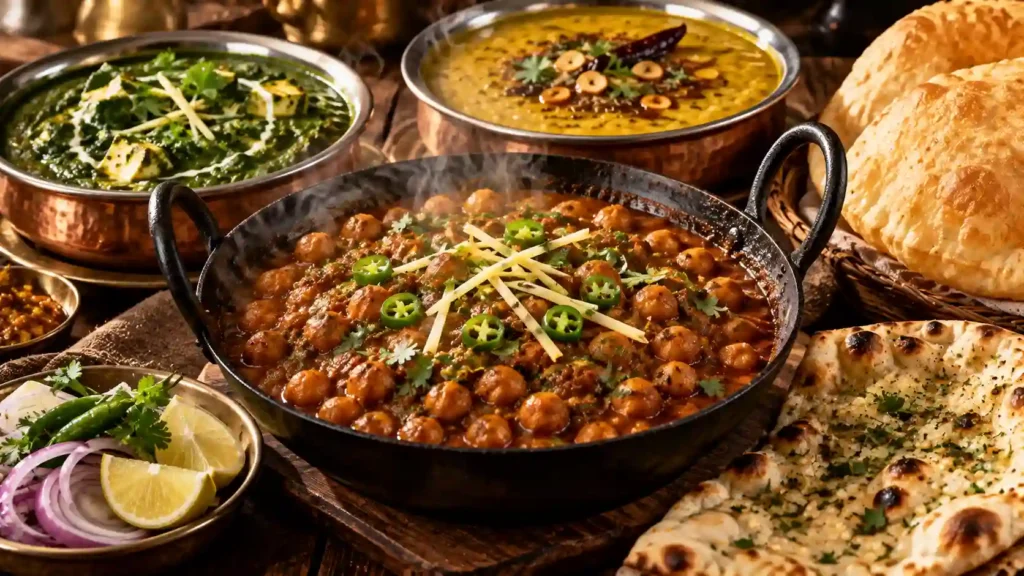
Cooking an authentic chana masala recipe from scratch is one of the most rewarding milestones in plant-based dining. Across bustling Punjabi street bazaars and family dining tables, chickpea curry represents beloved comforting sustenance. The balance of tender garbanzo beans, caramelized onions, tangy dried mango powder, and warm spices creates pure culinary bliss. At Gulf Lights, we deliver verified culinary guides to elevate everyday home dining across the United Arab Emirates and beyond.
Mastering traditional vegetarian curries does not require complicated cooking methods or exotic kitchen equipment. In fact, achieving restaurant-worthy depth depends on legume science, spice blooming, and balanced acidity. Furthermore, mastering these plant-based staples allows you to prepare related classics like palak paneer, dal tadka, and aloo gobi. Consequently, you can nourish your family affordably with wholesome, protein-rich meals. Explore our complete culinary archive through our food category hub.
The Cultural Heritage of Vegetarianism in South Asian Gastronomy
The vegetarian cooking traditions of the Indian subcontinent represent thousands of years of ethical philosophy and agricultural ingenuity. Ancient Ayurvedic texts celebrated plant-based foods for promoting spiritual clarity and physical vitality. Over centuries, cooks developed sophisticated techniques to transform humble legumes into royal banquets.
Furthermore, regional Indian states perfected distinctive methods to showcase seasonal harvest produce. In Punjab, robust chickpea stews and mustard greens sustained hardworking farming communities. In contrast, southern regions developed fiery lentil broths tempered with mustard seeds and curry leaves. You can review regional dining benchmarks and grocery expenses in our guide to prices in dubai for food.
Moreover, similar grain and legume traditions unite historic cultures across the Arabian Peninsula. You can explore traditional Arabian spiced rice and slow-cooked meat stews in our comprehensive guide to the national dish of uae. Vegetarian curries celebrate the art of transforming simple garden harvests into unforgettable culinary feasts.
The Anatomy of Authentic Chana Masala: Chickpeas, Aromatics, and Amchur
Creating sensational chickpea curry requires respecting the harmonious balance of its core building blocks. Omitting key ingredients leaves the dish tasting flat and uninspired.
First, white chickpeas (kabuli chana) provide the nutty, hearty foundation. The beans must cook until completely tender, yielding effortlessly to gentle pressure. Second, the aromatic base requires slow-cooked yellow onions, garlic, and ginger puréed into a rich paste. You can compare aromatic marination techniques in our classic tandoori chicken recipe guide.
Third, the spice blend demands dried mango powder (amchur) or dried pomegranate seeds (anardana). This fruity, astringent acidity gives Punjabi chana masala its unmistakable tangy finish. Finally, whole spices bloomed in ghee introduce deep warmth. Understanding how these elements interact ensures your curry delivers authentic restaurant character.
The Food Science of Legumes: Soaking, Bicarbonate, and Tea Bag Tannins
Cooking dried chickpeas from scratch is fundamentally an exercise in biological food chemistry. While canned chickpeas offer weeknight convenience, dried chickpeas yield far superior texture and flavor.
Dried chickpeas contain tough cellular walls fortified with pectin and cellulose. Soaking dried beans in water for at least eight hours hydrates internal starches evenly. In addition, adding half a teaspoon of baking soda to the soaking water raises the pH level. This alkaline environment dissolves calcium pectate bonds, allowing the chickpeas to soften rapidly during simmering.
Furthermore, authentic Punjabi street vendors use a fascinating trick to give chana masala its signature dark hue. Cooks drop two black tea bags directly into the boiling chickpea pot. The natural tannins in black tea impart a deep mahogany tint and subtle earthy astringency. You can review corporate regulatory standards and commercial food safety practices through our legal and government services directory. Simple food science transforms pale beans into restaurant-quality treasures.
Mastering the Ultimate Chana Masala Recipe at Home
This master chana masala recipe delivers deeply spiced, meltingly tender chickpeas in an aromatic tomato gravy in forty minutes. Follow these step-by-step instructions for guaranteed dining triumph.
- Soak the Chickpeas: Soak two cups of dried chickpeas in cold water with half a teaspoon of baking soda for eight hours. Drain and rinse thoroughly.
- Boil with Aromatics: Simmer the chickpeas in a pot with six cups of water, one black tea bag, two bay leaves, and a cinnamon stick for forty minutes until fork-tender. Discard the tea bag.
- Sauté the Onion Paste: Heat three tablespoons of ghee or neutral oil in a heavy Dutch oven over medium heat. Add two finely puréed onions and cook for eight minutes until golden brown.
- Bloom Ginger and Garlic: Add two tablespoons of ginger-garlic paste and two minced green chilies. Stir continuously for two minutes until the raw aroma dissipates.
- Add the Spice Blend: Stir in two teaspoons of coriander powder, one teaspoon of cumin powder, one teaspoon of Kashmiri chili powder, half a teaspoon of turmeric, and two teaspoons of chana masala powder.
- Simmer the Tomatoes: Pour in one cup of fresh tomato purée. Cook the masala over medium heat for seven minutes until oil separates along the pan edges.
- Combine and Mash: Add the cooked chickpeas along with two cups of their cooking broth. Mash half a cup of chickpeas with the back of your spoon to thicken the gravy naturally.
- Finish with Tang and Herbs: Simmer for fifteen minutes. Stir in one teaspoon of amchur (dried mango powder), one teaspoon of crushed kasuri methi, and fresh chopped cilantro.
Serve immediately with lemon wedges and sliced red onions. Pair this comforting classic with artisanal flatbreads from our naan bread recipe collection.
Emerald Velvet: Authentic Palak Paneer Recipe
Alongside chickpea curry, vibrant green palak paneer recipe stands as one of the most celebrated vegetarian dishes worldwide. This North Indian classic features soft cheese cubes nestled in a silky, spiced spinach gravy.
The secret to keeping palak paneer bright emerald green lies in the blanching technique. Submerge fresh spinach leaves in boiling salted water for two minutes, then transfer them immediately to a bowl of ice water. This sudden temperature shock halts cooking and locks in vibrant chlorophyll pigments.
Blend the blanched spinach with green chilies and ginger into a smooth purée. Sauté minced garlic, cumin seeds, and onions in butter before stirring in the vibrant green purée. You can verify dairy baking measurements in our kitchen reference guide on 1 cup butter in grams. Fold in fresh paneer cubes and finish with a splash of cream. If you love rich tomato gravies, explore our royal butter chicken recipe. Vibrant palak paneer delivers pure wholesome elegance.
Tempering Perfection: The Art of Dal Tadka Recipe and Tadka Dal
No Indian meal is truly complete without a soothing bowl of yellow lentils. An authentic dal tadka recipe combines creamy cooked lentils with a sizzling aromatic oil infusion.
Begin by simmering split pigeon peas (toor dal) and yellow moong lentils with turmeric, salt, and water until soft and creamy. Whisk the cooked dal gently with a wire whisk to create a smooth, velvety base. The real culinary magic happens during the final tempering stage, known as tadka dal.
Heat two tablespoons of pure ghee in a small ladle or skillet until shimmering hot. Bloom cumin seeds, mustard seeds, crushed garlic cloves, dried red chilies, and a pinch of hing (asafoetida). Pour this sizzling spiced ghee directly over the hot lentils right before serving. The fiery oil hisses dramatically, releasing intoxicating garlic aromas into the pot. If you enjoy slow-simmered beef comfort, explore our homestyle beef stew recipe guide. Dal tadka provides soul-satisfying nourishment.
Comforting Homestyle Alchemy: Classic Aloo Gobi Recipe
Celebrated in homes across North India, comforting aloo gobi recipe transforms humble potatoes and cauliflower into an aromatic masterpiece. This dry vegetable curry balances earthy sweetness with warm spices.
The key to perfect aloo gobi is par-frying or roasting the vegetables before simmering. If raw cauliflower boils directly in sauce, the florets break down into soggy mush. Sauté cauliflower florets and potato cubes in hot oil for five minutes until lightly golden and crisp.
In the same pan, bloom cumin seeds, minced ginger, turmeric, coriander, and red chili powder. Fold in the par-cooked vegetables, cover tightly, and steam gently over low heat for fifteen minutes. The potatoes absorb fragrant spices while the cauliflower retains a delightful tender bite. If you prefer lean white poultry on busy weeknights, explore our tender chicken breast recipes. Aloo gobi delivers hearty domestic comfort with minimal effort.
Royal Mughlai Indulgence: Fragrant Shahi Paneer Recipe
Hailing from imperial Mughal banquet kitchens, an authentic shahi paneer recipe represents aristocratic vegetarian luxury. Shahi translates to “royal,” reflecting the rich nut and dairy foundation of the gravy.
Unlike homestyle curries, shahi paneer features an ultra-silky, pale gravy crafted from soaked cashews, almonds, onions, and yogurt. Simmer these ingredients gently before blending and straining through a fine-mesh sieve. Straining eliminates all graininess, producing a sauce with unmatched velvet texture.
Simmer delicate paneer cubes in the strained nut cream with green cardamom, saffron strands, and a touch of rose water. The subtle floral perfume and rich dairy fats create an opulent feast fit for royalty. If you enjoy layered festive rice dishes, explore our authentic biryani recipe. Shahi paneer proves that meatless dining can achieve supreme imperial grandeur.
Nostalgic Weeknight Harmony: Homestyle Matar Paneer Recipe
When you need dinner on the table in under thirty minutes, a classic matar paneer recipe provides rapid weeknight satisfaction. This beloved family staple pairs sweet green peas with tender cheese cubes in a savory tomato gravy.
Sauté diced onions, ginger, and garlic in ghee until fragrant, then stir in fresh tomato purée and ground spices. Simmer the sauce until aromatic oils bead along the surface. Next, add tender green peas and lightly pan-fried paneer cubes.
Pour in half a cup of warm water and simmer for eight minutes until the peas turn tender and sweet. The natural sugars in green peas balance the tangy tomato sauce beautifully. Finish with a dusting of garam masala and fresh coriander. If you love burger patties, explore our skillet techniques in our smash burger recipe guide. Matar paneer delivers quick, wholesome comfort that children and adults adore.
Spice Bloom Dynamics: The Chemistry of the Indian Tadka
The secret to incredible depth in South Asian cooking lies in the ancient technique of tempering, known as tadka or chhonk. Dumping raw powdered spices into simmering liquids extracts only a fraction of their flavor.
Most flavorful spice compounds are lipid-soluble rather than water-soluble. When whole spices hit hot fat (ghee or oil), heat causes their microscopic cellular walls to rupture. Consequently, volatile essential oils dissolve directly into the cooking fat. The fat acts as a flavor vehicle, dispersing aromatic molecules evenly throughout the dish.
Furthermore, fat-blooming caramelizes complex starches inside seeds like cumin and mustard, eliminating raw bitterness. Always bloom whole spices first in hot fat, followed by aromatics, and finally ground spice powders. Compare Middle Eastern spice traditions with our guide to authentic shawarma in dubai. Understanding tadka dynamics unlocks professional restaurant flavor in your home cooking.
Bread and Rice Pairings: Fluffy Breads and Jeera Grains
Because Indian vegetarian curries offer bold, complex gravies, selecting proper starch accompaniments completes the dining experience. Fluffy breads and aromatic grains provide the ideal vehicle for capturing every drop of sauce.
Deep-fried puffed bhatura bread is the legendary companion for spicy Punjabi chana masala. In addition, warm garlic naan or layered parathas pair exquisitely with creamy palak paneer and dal tadka. If you crave fresh greens, pair your meal with a crisp romaine salad tossed with our zesty caesar salad recipe dressing.
Furthermore, steaming aged basmati rice tossed with toasted cumin seeds (jeera rice) balances rich lentil curries effortlessly. If you enjoy slow-cooked shredded meats, check our classic pulled pork recipe guide. Thoughtful starch pairings turn simple curries into an unforgettable feast.
Nutritional Powerhouse: Plant-Based Protein and Digestive Wellness
Nutritionists universally celebrate traditional Indian legume curries as nutritional powerhouses. Savoring well-prepared vegetarian dishes delivers exceptional vitality and balanced macronutrients.
Chickpeas and lentils provide abundant plant-based dietary protein alongside soluble dietary fiber. Soluble fiber feeds beneficial gut microbiota, promotes smooth digestion, and stabilizes blood glucose levels. Furthermore, legumes supply essential micronutrients like folate, iron, magnesium, and potassium.
In addition, functional spices like turmeric, ginger, and cumin provide proven anti-inflammatory benefits that support cellular defense. Discover how whole-food lifestyle frameworks support lifelong vitality in our comprehensive guide to a balanced diet. You can also explore nutrient-dense natural superfoods in our analysis of dates benefits. Wholesome ingredients ensure plant-based dining aligns with long-term health goals.
Safe Storage, Meal Prep, and Freezing Instructions
Legume curries represent some of the finest meal prep options in home culinary arts. In fact, dishes like chana masala and dal tadka often taste noticeably better the following day.
As cooked chickpeas rest in the refrigerator overnight, they continue absorbing aromatic spices from the gravy. Store cooked curries in airtight glass containers in the refrigerator for up to five days. You can also freeze chana masala in freezer-safe bags for up to three months.
When reheating frozen curry, warm it gently in a saucepan over medium-low heat with two tablespoons of water to loosen the gravy. If you enjoy high-heat seared meats on weekends, explore our classic steak recipes. However, for everyday meal prep, hearty chickpea curries remain unbeatable. Review ground beef butchery dynamics in our master guide to ground beef recipes.
Commercial Hospitality Careers in Vegetarian and Indian Dining
The global surge in plant-based dining and modern Indian gastronomy has created vibrant career opportunities across the food service industry. In cosmopolitan culinary capitals like Dubai, upscale Indian lounges and boutique vegetarian restaurants recruit talented curry masters, tandoor chefs, and kitchen supervisors.
Culinary professionals who master high-volume spice blending, legume cookery, and banquet operations enjoy steady recruitment demand. If you are exploring professional vocational paths in gastronomy, review our comprehensive guide on hospitality tourism jobs. In addition, executive chefs and restaurant operations directors command prestigious compensation packages. Explore executive salary scales in our guide to the highest paying jobs.
Furthermore, restaurant networks rely on temperature-controlled warehousing to store aged legumes, whole spices, and dairy safely. Candidates interested in supply logistics can explore opportunities in our guide on dubai warehouse logistics jobs. Dedicated culinary staff can advance into corporate leadership roles through strategic career change growth. Many international culinary talents relocate using our guide to work abroad. You can study statutory labor standards in our analysis of the labour law uae.
Frequently Asked Questions About Chana Masala and Indian Curries
Can I use canned chickpeas instead of dried chickpeas for chana masala?
Yes, canned chickpeas work well for quick weeknight cooking. Rinse and drain two cans of chickpeas, then simmer them in the spiced tomato gravy for twenty minutes so they absorb the seasonings.
What can I substitute for amchur powder in chana masala?
Fresh lemon juice or pomegranate molasses provides an excellent substitute for amchur (dried mango powder). Stir in fresh lemon juice during the final sixty seconds of cooking to impart vibrant tanginess.
Why is my palak paneer bitter?
Spinach turns bitter if overcooked or if mature, tough stems are included in the purée. Always blanch tender young spinach leaves in salted water for only two minutes, then shock immediately in ice water.
How do I keep paneer soft and tender in curries?
Soak store-bought paneer cubes in warm salted water for ten minutes before adding them to the sauce. Add paneer only during the final five minutes of cooking, as overcooking makes the cheese rubbery.
Mastering this classic chana masala recipe gives you the culinary confidence to prepare comforting, restaurant-quality South Asian vegetarian feasts right in your own kitchen. By understanding legume chemistry, mastering spice blooming, and pairing vibrant curries with fresh flatbreads, you can create extraordinary culinary feasts that bring loved ones together. For additional culinary tutorials, kitchen advice, and verified lifestyle guides, connect with our specialist team via the Gulf Lights contact page. Discover more inspirational cooking articles on the Gulf Lights blog.