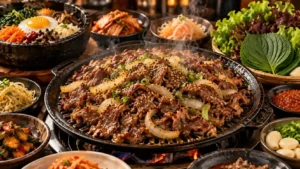
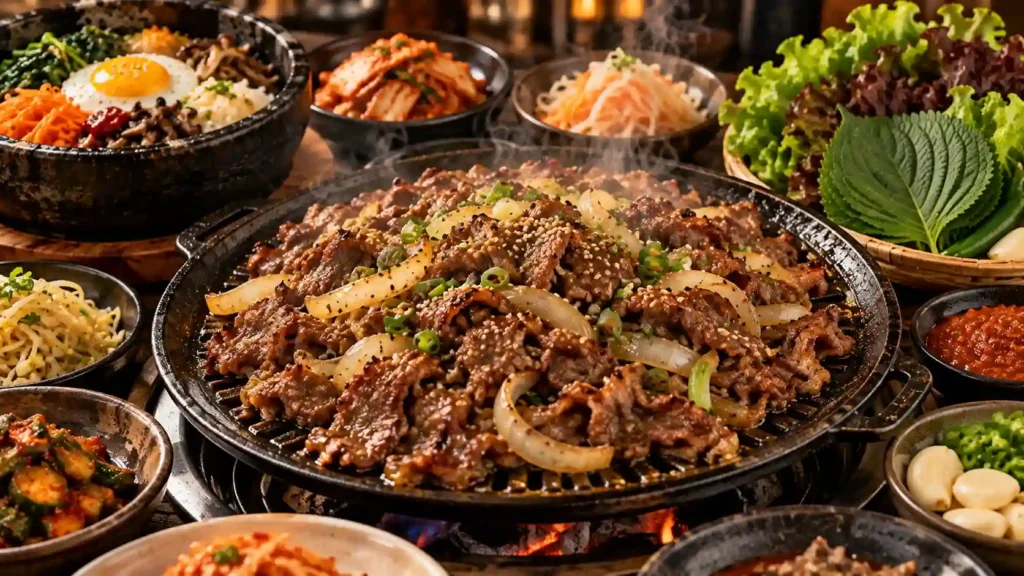
Cooking an authentic bulgogi recipe from scratch is one of the most celebrated experiences in modern Asian gastronomy. Across lively dining rooms in Seoul and trendy international dining capitals, Korean barbecue represents the ultimate communal feast. The combination of paper-thin tender beef, sweet soy marinades, toasted sesame oil, and charred edges creates pure culinary magic. At Gulf Lights, we deliver verified culinary guides to elevate everyday home dining across the United Arab Emirates and beyond.
Mastering Korean barbecue at home does not require expensive built-in table exhaust systems. In fact, achieving restaurant-caliber flavor depends on enzyme tenderization, high-heat caramelization, and authentic condiment balancing. Furthermore, learning these foundational techniques unlocks beloved Korean classics like sizzling dolsot bibimbap, chewy japchae, and homemade gochujang glazes. Consequently, you can host memorable weekend gatherings with remarkable ease and affordability. Explore our complete culinary archive through our food category hub.
The Royal Heritage of Korean Bulgogi and Court Banquets
The cultural journey of bulgogi reflects centuries of Korean royal court refinement and agrarian tradition. The word bulgogi translates literally to “fire meat,” originating from the Korean words “bul” (fire) and “gogi” (meat). Culinary historians trace the dish back to the Goguryeo era (37 BCE to 668 CE), where it began as skewered meat called maekjeok.
During the Joseon Dynasty, royal chefs refined this rustic dish into neobiani, preparing thinly sliced marinated beef for imperial banquets. Court cooks marinated prime cuts in fermented soy sauce, wild honey, garlic, and wild pears. You can review regional household grocery budgets and dining benchmarks in our guide to prices in dubai for food.
Over subsequent centuries, this aristocratic specialty transitioned into a cherished social tradition for families worldwide. Moreover, similar festive meat traditions unite culinary cultures throughout the Arabian Peninsula. You can explore traditional Arabian spiced meats and slow-cooked stews in our comprehensive guide to the national dish of uae. Bulgogi celebrates the timeless joy of gathering loved ones around sizzling fire.
The Science of Korean Meat Tenderizing: Asian Pear Enzymes
The secret to meltingly tender Korean beef lies in biological enzyme chemistry. While European marinades rely on harsh wine acids, traditional Korean marinades harness the gentle power of fresh fruit enzymes.
Fresh Asian pear (bae) contains a potent proteolytic enzyme called calpain. When puréed and mixed with raw sliced beef, calpain breaks down tough myofibrillar muscle proteins gently. Unlike acidic citrus marinades that make meat mushy, calpain softens beef fibers while preserving structural integrity. If you enjoy whole muscle cuts with high-heat sears, check our classic steak recipes.
Furthermore, Asian pears provide natural fructose sugars that caramelize rapidly over high heat. If fresh Asian pears are unavailable in your regional market, ripe Bosc pears, grated sweet apples, or kiwi fruit serve as viable substitutes. However, be cautious with kiwi, as its enzymes are extremely aggressive; marinate with kiwi for under two hours to prevent meat disintegration. Understanding fruit enzymes ensures your beef stays remarkably juicy.
Anatomy of the Master Bulgogi Marinade: Soy, Sesame, and Mirin
Creating an exceptional Korean marinade requires balancing savory, sweet, nutty, and pungent flavor notes. Omitting key seasonings results in flat, one-dimensional meat.
First, naturally brewed dark soy sauce provides the savory backbone, delivering vital salinity and rich umami glutamates. Second, dark brown sugar, raw honey, and grated Asian pear provide layered sweetness. Third, toasted sesame oil introduces an unmistakable nutty perfume that rounds out the soy sauce. You can verify dairy baking measurements in our kitchen reference guide on 1 cup butter in grams.
In addition, finely minced fresh garlic and grated ginger provide pungent aromatic warmth. Korean cooks also whisk in a splash of mirin (sweet rice wine) to eliminate lingering gamey odors from the beef. Finally, freshly cracked black pepper adds subtle sharpness. You can review corporate regulatory standards and safety practices in our legal and government services directory. Balancing these ingredients produces a luxurious glaze that clings to every beef ribbon.
Selecting and Slicing Beef: Ribeye, Top Sirloin, and Tenderloin
The texture of your finished dish depends heavily on butcher cut selection and slicing thickness. Thick beef steaks will not absorb the sweet marinade properly, leaving centers bland and tough.
Well-marbled boneless beef ribeye represents the undisputed gold standard for authentic bulgogi. Ribeye possesses rich intramuscular fat webbing that melts over high heat, basting the meat from within. Alternatively, beef top sirloin provides a leaner, mineral-rich option that holds its shape nicely. You can explore whole-bird roasting dynamics in our classic roast chicken recipe guide.
To achieve signature paper-thin slices at home, freeze your raw beef roast for forty-five minutes until firm. Chilling firms the fat, allowing you to shave the meat into paper-thin two-millimeter ribbons using a sharp chef’s knife. Always slice across the natural muscle grain. Slicing across the grain shortens muscle fibers, guaranteeing that each bite yields effortlessly. Shaved beef cooks in mere seconds over intense fire.
Mastering the Ultimate Beef Bulgogi Recipe at Home
This master beef bulgogi recipe delivers succulent, caramelized ribbons of beef tossed with sweet onions and scallions in twenty-five minutes of active time. Follow these step-by-step instructions for guaranteed dining triumph.
- Shave the Meat: Partially freeze 700 grams of boneless ribeye or top sirloin for forty minutes. Slice paper-thin across the grain into bite-sized ribbons.
- Blend the Fruit Base: In a food processor, blend half an Asian pear, half a yellow onion, four garlic cloves, and one knob of ginger into a smooth purée.
- Whisk the Marinade: In a large mixing bowl, combine the fruit purée with five tablespoons of soy sauce, two tablespoons of brown sugar, one tablespoon of honey, two tablespoons of toasted sesame oil, one tablespoon of mirin, and half a teaspoon of black pepper.
- Marinate the Beef: Submerge the sliced beef ribbons into the marinade, tossing with clean hands so every strand is coated. Add one thinly sliced yellow onion and three scallions cut into finger lengths. Cover and refrigerate for two to four hours.
- Preheat the Skillet: Heat a heavy cast-iron skillet or tabletop grill over blazing high heat until wisps of smoke appear. Add one tablespoon of neutral oil.
- Sear in Batches: Lay marinated beef flat in uncrowded single layers. Cook undisturbed for ninety seconds until edges char and caramelize deeply.
- Toss and Caramelize: Flip and toss the meat with tongs for sixty seconds until cooked through and coated in glossy pan glaze. Avoid boiling the meat in liquid.
- Garnish and Serve: Transfer to a sizzling platter. Garnish generously with toasted white sesame seeds and fresh sliced green onions.
Serve immediately with hot rice and crisp lettuce wraps. Pair this comforting Asian classic with artisanal flatbreads from our naan bread recipe collection for creative fusion dining.
Tabletop Theater: Hosting Authentic Korean BBQ at Home
Transforming ordinary dinners into an interactive feast is the true magic of korean bbq at home. Unlike Western cooking where chefs prepare food hidden behind kitchen walls, Korean barbecue centers on communal cooking.
Set a portable butane burner or electric non-stick grill in the center of your dining table. Surround the grill with colorful bowls of marinated meats, fresh leafy greens, and varied side dishes (banchan). Guests cook their own meat slices directly over the sizzling iron, selecting their preferred level of charring.
Communal tabletop grilling fosters relaxed conversation and laughter. Diners customize every individual bite, experimenting with spicy sauces and pickled accompaniments. If you enjoy festive street foods, compare this interactive setup with our casual burger tips in our smash burger recipe guide. Korean barbecue turns dinner into an unforgettable social event.
Crispy Sizzling Pork: Authentic Samgyeopsal and Ssamjang Dips
Alongside marinated beef bulgogi, succulent thick-cut pork belly known as samgyeopsal represents the ultimate comfort indulgence of Korean barbecue. Samgyeopsal translates literally to “three-layered meat,” celebrating distinct ribbons of lean meat and rich fat.
Unlike bulgogi, traditional samgyeopsal is grilled completely unmarinated over direct high heat. As the pork belly sizzles on the iron, the fat renders out, frying the meat edges until shatteringly crisp and golden. Cut the sizzling pork strips into bite-sized morsels at the table using kitchen shears. If you love slow-cooked shredded meats, check our classic pulled pork recipe guide.
Furthermore, grilled pork belly requires an assertive savory dip known as ssamjang. Whisk fermented soybean paste (doenjang), spicy chili paste (gochujang), minced garlic, toasted sesame oil, and honey into a thick, savory paste. The earthy fermented soybean paste cuts through rich pork fat beautifully, creating pure dining bliss. Savoring crispy pork belly wrapped in perilla leaves with ssamjang is an essential culinary ritual.
The Colorful Jewel: Authentic Bibimbap Recipe and Banchan Variety
Hailing from the historic cultural capital of Jeonju, a vibrant bibimbap recipe represents master-level color and nutritional harmony. Bibimbap translates to “mixed rice,” celebrating seasonal garden harvests arranged over warm grains.
Authentic bibimbap incorporates the ancient Korean philosophical concept of Obangsaek (the five cardinal colors). Each bowl displays white rice, black mushrooms, green spinach, red carrots, and yellow egg yolk. These five colors represent universal natural elements: wood, fire, earth, metal, and water. Season each vegetable separately (namul) with sesame oil and salt to highlight its distinct flavor.
Arrange seasoned sautéed vegetables, cooked bulgogi beef, and fresh bean sprouts in neat radial segments over steaming rice. Crown the center with a sunny-side-up fried egg. Diners add spicy red pepper paste and mix the bowl vigorously with a spoon before eating. If you prefer lean white poultry on busy weeknights, explore our tender chicken breast recipes. Bibimbap delivers balanced, wholesome nutrition in a single stunning bowl.
Sizzling Stone Pot Magic: Authentic Dolsot Bibimbap and Scorched Nurungji
While standard bibimbap is served in ceramic bowls, the legendary dolsot bibimbap elevates the dish into a sizzling sensory spectacle. Dolsot refers to the heavy, thick-walled granite stone bowl used for cooking.
Chefs heat the stone bowl over an open gas flame until searingly hot, coating the interior walls with dark sesame oil. When cooked rice lands inside the smoking stone, the bottom layer of grains fries against the hot oiled granite. Sautéed vegetables, marinated bulgogi, and a raw egg yolk are arranged quickly across the steaming rice.
The bowl arrives at the table sizzling loudly, filling the dining room with toasted sesame aromas. As you let the bowl sit undisturbed for two minutes, the bottom rice forms a golden, shatteringly crisp crust called “nurungji.” Mixing the bowl tableside cooks the raw egg against the hot stone while breaking the crunchy scorched rice into the tender grains. If you love crispy chicken breasts, explore our breaded cutlet techniques in our classic fried chicken recipe guide. Dolsot bibimbap represents comfort dining at its finest.
Fiery Fermented Soul: Crafting Homemade Gochujang Sauce
No Korean feast is complete without an assertive, glossy bowl of seasoned gochujang sauce. Gochujang is Korea’s ancient fermented red chili paste, celebrated for its unique balance of spicy, savory, and sweet flavors.
Raw gochujang straight from the container is quite thick and pungent. Therefore, cooks craft a balanced tabletop sauce called yak-gochujang or bibim-sauce. Whisk three tablespoons of fermented gochujang paste with one tablespoon of toasted sesame oil, one tablespoon of honey, one tablespoon of rice vinegar, minced garlic, and water.
The rice vinegar introduces bright acidity that lightens the dense chili paste, while toasted sesame oil provides smooth glossiness. Drizzle this vibrant red sauce generously over bibimbap bowls or grilled meats. If you love spicy takeout favorites, compare this chili sauce with our wok glazes in our orange chicken recipe guide. Homemade gochujang sauce ties Korean meals together effortlessly.
Chewy Glass Noodle Harmony: Authentic Japchae Recipe
Served at celebratory birthday banquets and holiday feasts, an authentic japchae recipe represents one of Korea’s most beloved noodle dishes. Japchae features chewy, translucent glass noodles tossed with colorful vegetables and seasoned beef.
Korean glass noodles (dangmyeon) are crafted entirely from sweet potato starch. Unlike wheat noodles, sweet potato glass noodles possess an addictive springy, bouncy chew and absorb savory sauces without turning mushy. Boil the noodles until translucent, drain, and toss immediately with soy sauce, sugar, and sesame oil. Explore Asian street noodle techniques in our specialized pad thai recipe guide.
Sauté julienned carrots, wood ear mushrooms, spinach, onions, and beef ribbons separately before tossing them with the warm noodles. Tossing the ingredients by hand with sesame oil ensures every component retains its vibrant individual texture and color. Japchae can be enjoyed warm, at room temperature, or chilled. If you enjoy slow-simmered beef comfort, explore our homestyle beef stew recipe guide. Chewy japchae brings festive joy to any Korean table.
Ssam Culture: The Art of the Korean Lettuce Wrap
In authentic Korean barbecue culture, eating grilled meat alone is considered incomplete. Korean dining centers on “ssam,” meaning “wrapped.”
To construct a proper ssam, lay a crisp leaf of red leaf lettuce, green romaine, or jagged perilla (shiso) flat in the palm of your hand. Perilla leaves provide an intoxicating herbal aroma reminiscent of mint and anise. Place a slice of piping hot charred bulgogi in the center of the leaf.
Top the meat with a dab of savory ssamjang, a sliver of raw garlic, and a bite of fermented kimchi. Fold the lettuce leaf tightly into a neat, compact parcel using your fingers. Custom dictates that you place the entire wrapped bundle into your mouth in a single bite. The sudden explosion of cool crisp lettuce, hot charred meat, and pungent garlic is pure culinary perfection. You can explore grand Arabian meat traditions in our guide to the national dish of uae.
Essential Banchan Sides: Tangy Kimchi and Pickled Radish
A Korean table is instantly recognizable by the colorful array of small side dishes called banchan surrounding the main proteins. Banchan dishes provide essential textural contrast and probiotic nutrition.
First, traditional fermented napa cabbage kimchi provides fiery heat, effervescent tanginess, and beneficial lactobacillus bacteria. The natural fermentation acidity cuts through rich beef fat instantly. Second, sweet pickled yellow radish (danmuji) provides refreshing, palate-cleansing crunch between bites of charred meat.
Third, seasoned soybean sprouts (kongnamul) and spicy scallion salad (pa muchim) introduce herbal brightness to the table. Banchan dishes are designed to be shared freely, with diners nibbling between bites of meat and rice. If you love fresh crisp greens, explore our dressing foundations in our authentic caesar salad recipe. Generous banchan spreads transform a simple meal into an opulent feast.
Searing Thermodynamics: Skillets vs Tabletop Butane Grills
Cooking marinated beef requires managing moisture carefully. Because bulgogi marinade contains liquid soy sauce and fruit purée, meat can easily steam in its juices rather than searing.
To avoid this, cook over extreme heat using a heavy cast-iron skillet or grooved grill pan. Cast iron holds intense thermal energy, ensuring the pan does not drop in temperature when cold meat lands on the surface. Squeeze excess marinade off the beef slices before laying them flat into the smoking-hot pan.
Never crowd your cooking surface; sear in small, uncrowded batches for ninety seconds per side. The intense heat vaporizes surface liquid instantly, caramelizing fruit sugars into dark, blistered charred spots. Review ground beef butchery dynamics in our master guide to ground beef recipes. Proper searing thermodynamics guarantees authentic smokehouse flavor at home.
Nutritional Powerhouse: Fermentation, Lean Protein, and Gut Health
Nutritionists universally celebrate traditional Korean cuisine as one of the healthiest, most balanced diets on earth. Savoring well-prepared Korean meals delivers profound digestive and metabolic benefits.
Fermented staples like kimchi, doenjang, and gochujang are rich in live probiotic cultures that nourish beneficial gut microbiota. A healthy gut microbiome enhances immune defense, supports digestion, and stabilizes mood. Furthermore, high-vegetable bibimbap bowls supply abundant dietary fiber, vitamins A and C, and essential antioxidants.
In addition, lean beef ribeye and eggs provide complete dietary protein, bioavailable heme iron, and zinc to support athletic muscle recovery. Discover how whole-food lifestyle frameworks support lifelong vitality in our comprehensive guide to a balanced diet. You can also explore nutrient-dense natural superfoods in our analysis of dates benefits. Mindful eating ensures Korean dining aligns with lifelong health goals.
Make-Ahead Meal Prep, Freezing, and Safe Marinating Limits
Beef bulgogi represents one of the finest meal prep proteins in home cooking. Shaved beef marinates rapidly and freezes with extraordinary structural integrity.
Because Asian pear enzymes are gentle, you can marinate sliced beef in the refrigerator for up to twenty-four hours without damaging texture. However, do not exceed twenty-four hours, as enzymes will eventually break down muscle fibers too far. For long-term meal prep, place marinated raw beef directly into heavy freezer bags and freeze immediately for up to three months.
When ready to cook, thaw frozen beef overnight in the refrigerator. The meat absorbs seasonings as it thaws, ready to hit a screaming-hot skillet in minutes. Leftover cooked bulgogi stores safely in an airtight glass container in the refrigerator for up to four days. Reheat quickly in a hot skillet with a splash of water to restore juiciness. If you love quick shellfish preparations, explore our ten-minute shrimp recipes guide. Smart meal prep brings gourmet convenience to busy weeknights.
Commercial Hospitality Careers in Korean Dining and K-BBQ Lounges
The explosive global wave of Korean cultural popularity (Hallyu) has created dynamic career pathways across the food service industry. In cosmopolitan dining hubs like Dubai, upscale Korean barbecue lounges and modern dining concepts recruit talented meat carvers, grill chefs, and kitchen supervisors.
Culinary professionals who master whole-muscle butchery, authentic fermentation, and high-volume banquet service enjoy steady recruitment demand. If you are exploring professional vocational paths in gastronomy, review our comprehensive guide on hospitality tourism jobs. In addition, executive chefs and restaurant operations directors command prestigious compensation packages. Explore executive salary scales in our guide to the highest paying jobs.
Furthermore, restaurant networks rely on temperature-controlled warehousing to store halal beef, fermented pastes, and fresh produce safely. Candidates interested in supply logistics can explore opportunities in our guide on dubai warehouse logistics jobs. Dedicated culinary staff can advance into corporate leadership roles through strategic career change growth. Many international culinary talents relocate using our guide to work abroad. You can study statutory labor standards in our analysis of the labour law uae.
Frequently Asked Questions About Bulgogi and Korean BBQ
What can I substitute for Asian pear in bulgogi marinade?
Sweet Bosc pears, peeled Fuji apples, or sweet red apples serve as excellent substitutes for Asian pear. They supply similar natural sweetness and gentle tenderizing enzymes. Alternatively, two tablespoons of grated kiwi fruit works, but limit marinating time to two hours.
Can I make bulgogi using chicken or pork instead of beef?
Yes, thinly sliced boneless chicken thighs (dak bulgogi) or thinly sliced pork shoulder (dwaeji bulgogi) work wonderfully. Pork bulgogi is traditionally marinated with spicy gochujang paste and ginger rather than mild soy sauce.
Why is my bulgogi watery instead of caramelized in the pan?
Bulgogi turns watery when the pan is overcrowded, or when the heat is not high enough. Overcrowding drops pan temperature, causing meat to boil in its juices. Always cook in small, uncrowded batches over smoking-hot cast iron.
What is the best cut of beef to buy for homemade bulgogi?
Boneless beef ribeye is the premier choice due to its rich marbling and tenderness. Top sirloin, flank steak, or beef tenderloin also produce delicious results when sliced paper-thin across the grain.
Mastering this classic bulgogi recipe gives you the culinary confidence to prepare smoky, succulent, and restaurant-quality Korean barbecue feasts right in your own kitchen. By utilizing fresh Asian pear enzymes, shaving beef paper-thin across the grain, and assembling colorful bibimbap bowls with fresh lettuce wraps, you can create extraordinary culinary feasts that bring loved ones together. For additional culinary tutorials, kitchen advice, and verified lifestyle guides, connect with our specialist team via the Gulf Lights contact page. Discover more inspirational cooking articles on the Gulf Lights blog.