
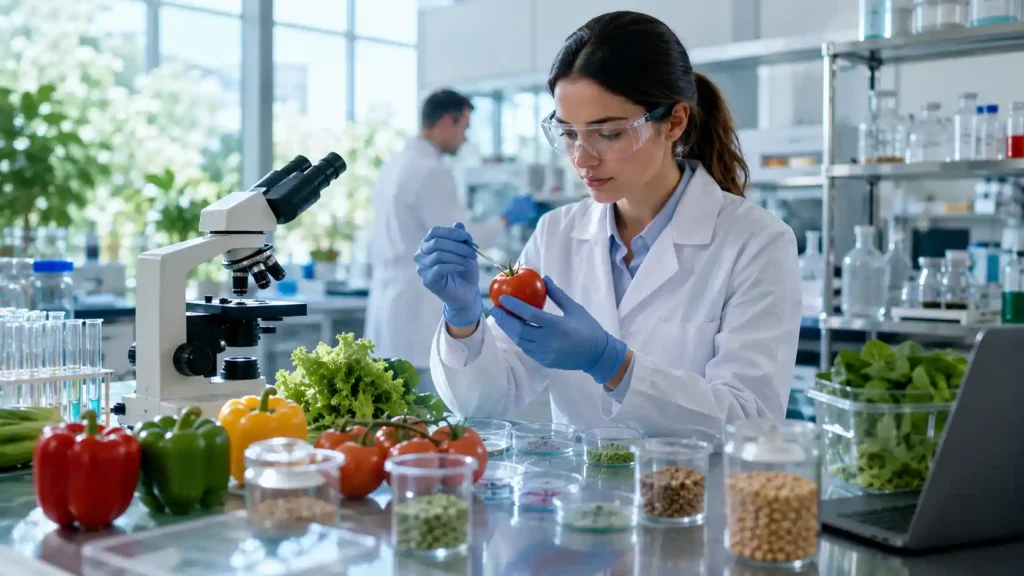
Every time you open a can, pour a glass of milk that stays fresh for weeks, or enjoy a snack that tastes exactly the same as it did last year, you are experiencing the quiet marvels of food technology. It is a field most people rarely think about, yet it touches virtually every meal you eat. From the farm to your fork, science and technology work behind the scenes to keep food safe, fresh, nutritious, and delicious.
Food technology is a fascinating blend of science, engineering, and creativity, and it plays a crucial role in feeding a growing world. But what does it actually involve, and how does it affect the food on your plate? In this guide, we will explore what food technology means, how it keeps our food safe and fresh, the important role of the people who work in it, and where this vital field is heading. Whether you are curious about what you eat, considering a career, or simply love food, you will come away with a fresh appreciation for the science behind your meals.
What Is Food Technology?
Food technology is the application of science and engineering to the production, preservation, processing, packaging, and safety of food. In simple terms, it is everything involved in turning raw ingredients into the safe, tasty, and convenient food products we enjoy. It combines knowledge from many fields, including chemistry, biology, and engineering, to solve real problems around how we produce and consume food.
The scope of food tech is remarkably broad. It includes finding ways to keep food fresh for longer, ensuring it is safe to eat, improving its nutritional value, and developing new products that meet people’s needs and tastes. Whenever food is processed, preserved, or packaged, food technology is at work. It is the reason we can enjoy such a wide variety of safe, affordable food all year round.
What makes this field so important is its direct impact on human health and wellbeing. Safe, nutritious food is one of our most basic needs, and food technology helps ensure it reaches people reliably. It also plays a growing role in addressing big challenges like feeding a rising global population sustainably. This makes it a genuinely vital part of modern emerging technology, even if it rarely grabs headlines.
Keeping Food Safe and Fresh
One of the most important jobs of food technology is keeping our food safe to eat and fresh for as long as possible. This might sound simple, but it involves a great deal of clever science. Food naturally spoils over time as bacteria grow and chemical changes occur, and preventing this while keeping food nutritious and tasty is a real challenge.
Food technologists use a range of methods to preserve food and prevent spoilage. Here are some of the key approaches you benefit from every day:
- Refrigeration and freezing: Slowing down the growth of bacteria by keeping food cold.
- Canning: Sealing food in airtight containers after heating to destroy harmful organisms.
- Drying: Removing moisture so that bacteria cannot grow, used for everything from fruits to grains.
- Packaging: Protecting food from air, light, and contamination to extend its shelf life.
- Additives: Carefully tested ingredients that help preserve freshness and maintain quality.
These methods, developed and refined through food technology, are why you can keep food at home for days or weeks without it spoiling. They also make it possible to transport food across long distances, bringing variety to our tables regardless of the season. Safety is paramount throughout, and food technologists work hard to ensure every product meets strict standards before it reaches you. In regions investing heavily in innovation, including the drive behind artificial intelligence in the UAE, food safety systems increasingly rely on digital tracking protected by computer security.
The Science of Food Processing
Food processing is a central part of food technology, and it covers all the ways raw ingredients are transformed into the products we buy. Processing can be as simple as washing and cutting vegetables, or as complex as creating entirely new food products from multiple ingredients. It is a field where science and engineering come together in fascinating ways.
One interesting example of food processing technology is drying, which has been used for thousands of years but has become highly sophisticated. Modern equipment such as a fluidized bed dryer uses a stream of air to dry food particles quickly and evenly. This technique is valued because it dries products efficiently while helping preserve their quality, and it is used for many powdered and granular food products. It is a great example of how engineering principles are applied to solve practical food challenges.
Processing serves many purposes beyond preservation. It can improve safety by removing harmful elements, enhance nutrition by adding beneficial ingredients, and create convenient products that fit busy modern lifestyles. The engineering involved connects to the wider world of power electronics and automation, since much food processing relies on precisely controlled machinery. As with any specific process or equipment, it is wise to confirm technical details from official and expert sources.
The Role of a Food Technologist
Behind all this science are dedicated professionals who make it happen. A food technologist is an expert who applies scientific knowledge to the development, production, and safety of food products. They are the people who ensure that the food we eat is safe, consistent, nutritious, and enjoyable. It is a rewarding career that combines science with a tangible, everyday impact.
The work of a food technologist is wonderfully varied. They might develop new food products, improve existing ones, test for safety and quality, or find better ways to preserve and package food. Some focus on nutrition, others on flavour, and others on the manufacturing processes that produce food at scale. Whatever their speciality, they share a common goal of making our food better and safer.
This career appeals to people who love science and want to make a practical difference in an area that affects everyone. It requires a solid understanding of food science, attention to detail, and often creativity in developing new products. For those interested in a field that blends laboratory work with real-world impact, becoming a food technologist offers a genuinely satisfying path. It also connects to broader scientific fields, sharing common ground with areas like nanotechnology and biotechnology where science and technology meet at the smallest scales.
Food Technology and Nutrition
Beyond safety and convenience, food technology plays an important role in nutrition, which is central to our health. As we understand more about how food affects our bodies, food technologists work to improve the nutritional value of what we eat and to develop products that support healthier diets.
This includes fortifying foods with vitamins and minerals to address nutritional needs, reducing unhealthy components like excess salt or sugar, and developing products suited to specific dietary requirements. For people with allergies, intolerances, or particular health goals, food technology has made it possible to enjoy a much wider range of suitable foods than ever before. This is a genuine benefit that improves quality of life for many.
At the same time, there is ongoing discussion about processed foods and health, and this is an area where balance and good information matter. Not all processing is equal, and food technologists increasingly focus on creating products that are both convenient and genuinely nutritious. For anyone making dietary choices, it is always wise to seek reliable, up-to-date nutritional guidance from qualified professionals and official sources rather than relying on unverified claims.
Technology in Modern Food Production
Food technology is not just about what happens in laboratories. It extends across the entire food production system, from farming to manufacturing to distribution. Modern technology has transformed how food is grown, made, and delivered, helping feed billions of people around the world efficiently and safely.
On farms, technology helps grow crops more efficiently and sustainably, monitoring conditions and optimising resources. In factories, automated systems produce food at scale with remarkable consistency and hygiene. Throughout the supply chain, careful monitoring keeps food safe as it travels from source to store. This vast, coordinated effort relies heavily on the tools of modern smart technology, where connected sensors and systems track food quality every step of the way across a reliable computer network, supported by strong information technology systems.
These advances have made food more affordable, more available, and safer than in the past. They have also helped reduce waste and improve sustainability, important goals as the world seeks to feed a growing population without harming the planet. Increasingly, tools powered by artificial intelligence help optimise everything from crop yields to supply chains, showing how food technology draws on the very latest innovations.
The Future of Food Technology
The future of food technology is full of exciting possibilities, driven by both new science and the urgent need to feed the world sustainably. Several trends are shaping where the field is heading, and they could transform what we eat in the decades to come.
Researchers are developing alternative proteins and new food sources that could reduce the environmental impact of food production. Precision techniques are making farming more efficient and less wasteful. New preservation and packaging methods are extending shelf life while reducing waste. And personalised nutrition, tailored to individual needs, is becoming increasingly possible. Together, these advances point toward a future where food is more sustainable, nutritious, and tailored to our needs.
Much of this progress connects to broader scientific fields, drawing on advances everywhere from medical technology to materials science, and even space technology, where researchers study how to grow and preserve food for long missions. Immersive tools like augmented reality are even helping train food scientists and design new products. As with any fast-moving field, specific developments and products should be confirmed from official and scientific sources, since research is ongoing. What is clear is that food technology will continue to play a vital role in nourishing the world and improving the food we all depend on.
Why Food Technology Matters to You?
You might wonder why understanding food technology matters if you are not a scientist or a professional in the field. The truth is that this knowledge helps you as an everyday consumer, giving you a clearer picture of the food you buy and eat. A little understanding goes a long way toward making informed choices.
When you understand how food is preserved, processed, and made safe, you can read labels more thoughtfully and appreciate what goes into keeping your food fresh and wholesome. You gain a better sense of why certain foods last longer, why some are fortified with nutrients, and how modern food production works. This understanding empowers you to make choices that suit your health, budget, and values.
It also helps you separate genuine information from myths and misinformation, which is sadly common when it comes to food. With so many claims circulating, a basic grasp of the science helps you think critically and seek out reliable sources. In a world where food choices affect our health every day, this kind of informed awareness is genuinely valuable, helping you eat well and with confidence.
Frequently Asked Questions
Is processed food always unhealthy? Not necessarily. Processing covers a huge range, from simply washing and freezing vegetables to creating complex products. Some processing improves safety and nutrition, while some products are less healthy. Understanding the difference and reading labels helps you make good choices.
What does a food technologist do? A food technologist applies science to develop, produce, and ensure the safety of food products. They might create new foods, improve existing ones, test for quality and safety, or find better ways to preserve and package food. It is a career that blends science with everyday impact.
How does food stay fresh for so long? Various techniques, including refrigeration, canning, drying, careful packaging, and tested additives, slow down spoilage and prevent harmful bacteria from growing. These methods, developed through food technology, allow food to stay safe and fresh far longer than it naturally would.
Final Thoughts
Food technology is the invisible science behind nearly every meal you enjoy, working quietly to keep your food safe, fresh, nutritious, and delicious. From preservation and processing to the dedicated food technologists who develop and test our food, this vital field touches all of our lives every single day, even though we rarely stop to think about it.
As the world seeks to feed a growing population sustainably and healthily, food technology will only become more important. Understanding it gives you a deeper appreciation for the food on your plate and helps you make more informed choices. To keep exploring the technologies shaping our world, browse more articles across the Technology section of our blog, and feel free to contact us with any questions. The science behind your food is remarkable, and now you can savour that knowledge with every bite.