Cooking world-class steak recipes in your home kitchen is the ultimate test of culinary confidence. For meat lovers, nothing rivals the sensory thrill of a thick beef cut hitting a smoking hot skillet. The crackle of rendered fat, the aroma of browned butter, and that tender pink center create an unforgettable feast. At Gulf Lights, we deliver verified culinary guides to help you transform premium butcher cuts into memorable dining triumphs.
Cooking steak to perfection does not require expensive commercial broilers or secret professional equipment. In fact, true steakhouse success depends on understanding meat anatomy, heat dynamics, and precise internal temperature management. Furthermore, mastering fundamental pan-searing techniques allows you to conquer diverse cuts with ease. Consequently, you can prepare luxurious weekend dinners that rival premier luxury steakhouses. Explore our complete culinary archive through our food category hub.
Mastering Timeless Steak Recipes: The Power of Extreme Heat
At its core, searing beef relies on a fundamental chemical phenomenon known as the Maillard reaction. When meat proteins and natural amino acids encounter intense dry heat, they rearrange into hundreds of new flavor compounds. This reaction creates the dark, savory crust that defines extraordinary beef.
However, moisture is the sworn enemy of this flavorful crust. If a steak enters the pan with surface water, that liquid vaporizes into steam. Steam prevents the pan from exceeding 100°C (212°F), causing the meat to turn grey and boiled rather than seared. Therefore, thoroughly drying your meat with paper towels before cooking is an essential rule. You can review regional household budget planning and shopping tips in our guide to prices in dubai for food.
Furthermore, selecting the appropriate heavy cookware ensures continuous thermal energy transfer. Lightweight non-stick pans lose heat rapidly when cold meat lands on their surface. In contrast, heavy seasoned cast iron or carbon steel holds intense thermal mass, delivering consistent searing power. Searing beef demands heat, patience, and deliberate technique. Master these simple physics, and your kitchen will smell like an elite steakhouse.
Anatomy of Prime Cuts: Ribeye, Striploin, and Tenderloin
Before turning on your stove, you must understand the anatomical differences between popular butcher cuts. Every cut possesses a distinct balance of tenderness, fat distribution, and beefy flavor.
First, the Ribeye represents the king of marbled indulgence. Cut from the primal rib section, ribeye features an abundant internal fat eye and rich intramuscular marbling. As the steak cooks, this marbled fat melts directly into the meat, basting the beef from within. Consequently, ribeye delivers unmatched juiciness and rich, buttery flavor.
Second, the New York Strip, also known as the striploin, provides a bolder, mineral-rich beef flavor. Cut from the short loin, it possesses tighter muscle grain and a pronounced exterior fat cap. Striploin provides exceptional chew and hearty substance. Third, the Filet Mignon, carved from the tenderloin, is the most tender muscle on the animal. Because the tenderloin performs minimal physical work, its fibers are exceptionally delicate. However, filet mignon contains minimal internal fat, making rich pan sauces essential for balanced flavor.
Value and Versatility: Flat Iron and Flank Steaks
While ribeye and tenderloin dominate high-end restaurant menus, butcher-counter alternatives offer sensational flavor at modest prices. In particular, exploring a tender flat iron steak provides incredible value for weeknight meals.
The flat iron cut originates from the beef shoulder chuck. Historically overlooked due to a tough connective sinew, modern butchers bisect the muscle to yield uniform, tender flat steaks. In fact, culinary researchers rank flat iron as the second most tender muscle on the steer, surpassed only by the tenderloin. Its uniform rectangular shape makes it ideal for rapid skillet cooking and thin slicing.
Similarly, flank and skirt steaks feature prominent, coarse muscle grains that absorb liquid marinades with ease. Flash-searing these cuts over blazing heat and slicing them thinly across the grain yields succulent results. If you enjoy quick weeknight poultry cuts, compare these speedy techniques with our versatile chicken breast recipes. Value butcher cuts deliver intense beef satisfaction without straining your monthly grocery budget.
The Heavyweights: T-Bone and Porterhouse Steaks
For celebratory banquets, nothing commands greater table authority than a massive bone-in showstopper. Both the T-Bone and the magnificent porterhouse steak offer two distinct steaks joined by a central lumbar bone.
On one side of the bone sits a hearty striploin, while the opposite side features an ultra-tender filet mignon. The key difference between the two lies in the size of the tenderloin portion. Under international butchery standards, a porterhouse must measure at least 3.2 centimeters of tenderloin thickness across its widest point. A T-bone features a smaller tenderloin section.
Cooking these composite steaks presents a unique challenge, as the lean tenderloin cooks faster than the marbled striploin. To conquer this, position the larger strip side toward the hottest part of your pan or grill. The central bone insulates the delicate tenderloin while imparting deep marrow essence to surrounding meat. You can compare grand meat traditions with slow-cooked Arabian stews in our guide to the national dish of uae.
Grading and Marbling: Wagyu, USDA Prime, and Angus
The culinary performance of beef depends heavily on international grading systems and genetic heritage. Understanding these commercial classifications ensures you select the correct cut for your culinary goals.
In the United States, the Department of Agriculture grades beef based on marbling density and animal maturity. USDA Prime represents the top three percent of cattle, exhibiting dense spiderwebs of creamy white fat. USDA Choice offers slightly less marbling but delivers outstanding everyday value. Meanwhile, Black Angus cattle are celebrated globally for consistent muscle texture and robust flavor.
At the apex of luxury meat sits Japanese Wagyu and Australian crossbred Wagyu. Japanese cattle strains, such as Kuroge Washu, are genetically predisposed to store fat inside muscle fibers rather than around perimeter tissue. Graded up to A5 quality, Wagyu fat melts at room temperature, creating an unctuous, melt-in-your-mouth texture. You can review corporate regulatory standards and commercial meat importation laws through our legal and government services directory.
The Gold Standard: Perfect Medium Rare Steak Temperatures
Cooking beef is fundamentally an exercise in precision thermodynamics. While individual preferences range from rare to well-done, culinary consensus celebrates a succulent medium rare steak as the ideal balance.
At medium rare, meat fibers reach between 54°C and 57°C (130°F to 135°F). At this precise thermal threshold, internal fats and collagen soften without squeezing out natural juices. The muscle fibers remain remarkably tender, yielding a warm red center framed by a thin pink band. If cooked beyond 65°C (150°F), proteins tighten firmly, expelling internal moisture and leaving the meat tough and grey.
Never rely on imprecise visual cues or the unreliable thumb-test method to judge doneness. Instead, invest in a rapid-response digital instant-read meat thermometer. Insert the probe horizontally into the thickest center point of the steak, avoiding bones and fat pockets. Remove the steak from the heat source two to three degrees before your target temperature to account for carryover cooking. Precision temperature monitoring guarantees culinary consistency every time.
The Classic Skillet Method: Basting Garlic Butter Steak
The traditional French steakhouse technique combines high-heat skillet searing with continuous basting, a process classical chefs call “arrosé.” Creating an aromatic garlic butter steak fills your kitchen with irresistible aromas.
First, heat a dry cast-iron skillet over high heat until wisps of smoke appear. Rub your dry, room-temperature steak with high-smoke-point oil, such as avocado or peanut oil, and season generously with coarse kosher salt. Lay the steak into the skillet, searing undisturbed for two minutes per side to build a dark mahogany crust.
Second, reduce the heat to medium-low. Add fifty grams of unsalted butter, three smashed garlic cloves, and fresh rosemary sprigs directly into the pan. You can verify dairy baking measurements in our kitchen reference guide on 1 cup butter in grams. As the butter melts and foams, tilt the skillet slightly. Use a large metal spoon to scoop the foaming herb butter continuously over the top of the steak. This continuous baste cooks the meat evenly while caramelizing milk solids into a nutty glaze.
The Modern Revolution: The Reverse Sear Steak Method
For thick-cut steaks measuring four centimeters or thicker, traditional skillet searing often produces a burnt exterior before the center warms. Fortunately, the revolutionary reverse sear steak method eliminates this frustrating problem entirely.
Instead of searing first and baking later, reverse searing flips the sequence. First, place your seasoned steak on a wire cooling rack set inside a rimmed baking sheet. Bake the steak in a low oven set to 110°C (225°F) for thirty to forty minutes. This gentle ambient heat warms the center gradually, allowing internal fats to render without contracting muscle fibers.
Furthermore, dry circulating oven air dehydrates the steak’s surface, creating an ultra-dry exterior ideal for searing. When the center reaches 45°C (115°F), transfer the steak to a screaming-hot skillet for just sixty seconds per side. The dry surface browns instantly without cooking the interior further. If you love crispy chicken coatings, explore our crisp double-dredged fried chicken recipe. Reverse searing produces an edge-to-edge pink interior with a wafer-thin crust.
Laboratory Precision: The Art of Sous Vide Steak
For cooks who desire absolute mathematical precision, cooking a sous vide steak guarantees flawless results with zero margin for error. Sous vide cooking involves vacuum-sealing meat inside a food-safe bag and submerging it in a temperature-controlled water bath.
Set your immersion circulator to exactly 54°C (129°F) for a medium-rare finish. Submerge the sealed steak with fresh thyme sprigs and garlic slices, letting it bathe gently for one to two hours. Because water conducts thermal energy with absolute uniformity, the meat warms to your exact target temperature without ever overcooking.
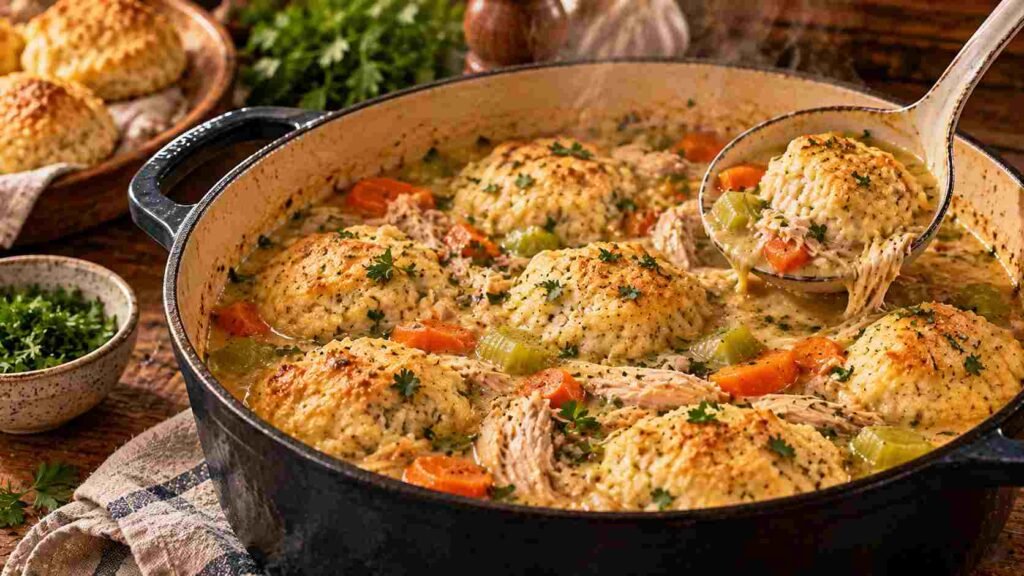
Once removed from the bath, pat the steak completely dry with paper towels. Flash-sear the meat in a smoking cast-iron pan for forty-five seconds per side to trigger the Maillard reaction. Sous vide provides absolute predictability, making it ideal for hosting large dinner parties. Compare this hands-off approach with our slow-simmered poultry favorites in our chicken and dumplings recipe guide.
Parisian Bistro Elegance: Authentic Steak Frites
Few international culinary pairings are as universally adored as classic French steak frites. Served in bustling Parisian brasseries, this dish pairs a perfectly seared striploin or ribeye with a towering mountain of golden frites.
The secret to unforgettable frites lies in the double-fry technique. Cut russet potatoes into thin, uniform batons and soak them in cold water to remove excess surface starch. First, fry the potatoes in 160°C (325°F) oil for five minutes until tender but pale. Remove them to cool completely on a wire rack.
Second, flash-fry the par-cooked potatoes in 190°C (375°F) oil for three minutes until golden and shatteringly crisp. Toss immediately with sea salt and minced parsley. Serve the hot frites alongside your carved steak, topped with a medallion of compound garlic-herb butter. If you enjoy European cutlet traditions, compare this bistro dish with our traditional chicken piccata recipe.
Retro Tableside Splendor: Flambéed Steak Diane
Originating in high-end mid-century supper clubs, classic steak diane represents theatrical culinary luxury. Traditionally prepared tableside on a rolling gueridon cart, this dish features tender medallions bathed in a rich, flambéed pan sauce.
Sear tender beef tenderloin medallions in butter, then remove them to rest on a warm plate. In the same pan drippings, sauté finely minced shallots and cremini mushrooms until soft. Add Dijon mustard, Worcestershire sauce, and beef stock, stirring to scrape up caramelized browned bits.
Next, pour in grape juice or culinary stock and carefully tilt the pan to ignite the vapors, flambéing the sauce dramatically. Once the flame subsides, swirl in heavy cream and fresh chopped chives. Return the beef medallions to the velvety sauce for one minute before serving. If you love rich gravies, compare this retro masterpiece with our royal North Indian butter chicken recipe.
Artisanal Steakhouse Sauces: Peppercorn and Wild Mushroom
While an exceptional steak stands proudly on its own merits, classic pan sauces elevate home dining into a celebratory banquet. Crafting sauces directly in your searing pan captures precious caramelized drippings that would otherwise go to waste.
First, an authentic green peppercorn sauce provides bold, aromatic warmth. Crack whole black and green peppercorns coarsely using a mortar and pestle. Toast the cracked peppercorns in residual pan fat, then deglaze with beef stock and a splash of vinegar. Simmer until reduced by half, then finish with heavy cream for a velvety emulsion that cuts through rich meat.
Second, a rich, earthy mushroom sauce complements leaner cuts like filet mignon. Sauté sliced cremini and shiitake mushrooms with minced garlic, fresh thyme, and butter. Pour in concentrated beef bone broth and simmer until glossy and thick. Furthermore, a vibrant South American chimichurri made from fresh parsley, oregano, garlic, red wine vinegar, and olive oil provides bright, acidic contrast to rich Wagyu steaks.
Salt, Seasoning Chemistry, and the Importance of Resting
Achieving culinary greatness requires respecting fundamental seasoning chemistry. Salt does far more than enhance flavor; it alters the cellular structure of beef.
Always season your meat with coarse kosher salt at least forty-five minutes before cooking, or dry-brine it uncovered in the refrigerator overnight. Within minutes of application, salt draws out surface moisture through osmosis. Given time, that salty brine dissolves muscle proteins, relaxing the fibers and reabsorbing deep into the meat. If you salt right before cooking, you lose this tenderizing advantage.
Equally critical is resting your meat after cooking. When meat sears over intense heat, internal muscle fibers contract, pushing savory juices toward the cooler center. If you slice into a hot steak immediately, those precious juices pour across the cutting board, leaving the meat dry. Resting the steak on a warm plate for eight to ten minutes allows muscle fibers to relax, redistributing juices evenly throughout every bite. Resting transforms good beef into succulent perfection.
Global Steakhouses and Halal Dining in Dubai
Dubai has established itself as an international capital for premier steakhouse dining. The city hosts flagship outposts of iconic international meat temples, alongside homegrown culinary concepts. Food lovers explore cuts from Japan, Australia, the United States, and Argentina within minutes of each other.
World-famous establishments like Prime68 atop the JW Marriott Marquis and Carna by Dario Cecchini deliver panoramic views paired with artisanal dry-aged programs. In addition, vibrant dining districts like DIFC feature celebrated venues serving Wagyu tenderloins and caviar butter. You can explore regional dining expense patterns in our guide to prices in dubai for food.
Furthermore, all beef imported into the United Arab Emirates must comply with strict national halal standards. Municipal inspectors verify humane slaughter practices and sanitary storage across every commercial shipment. Diners can enjoy premium international beef with complete peace of mind. Compare Middle Eastern grilling traditions with our guide to authentic shawarma in dubai.
Nutritional Power: Protein, Iron, and Healthy Fats
High-quality beef serves as a nutrient-dense cornerstone of human nutrition. Savoring well-sourced beef delivers vital micronutrients that are difficult to obtain from plant sources alone.
Beef provides rich concentrations of bioavailable heme iron, which is absorbed far more efficiently by the human body than plant-based non-heme iron. Furthermore, it delivers abundant vitamin B12, zinc, and complete dietary protein to support cellular repair and athletic recovery. Grass-fed beef also contains favorable ratios of anti-inflammatory omega-3 fatty acids and conjugated linoleic acid.
To keep beef consumption balanced, pair your steaks with vibrant leafy salads, roasted asparagus, or grilled broccolini. Explore whole-food lifestyle frameworks in our comprehensive guide to a balanced diet. In addition, discover nutrient-dense natural superfoods in our analysis of dates benefits. Mindful portion control and nutrient-dense accompaniments ensure beef supports lifelong health.
Hospitality Careers and Grill Master Professions
Mastering whole-carcass butchery and high-temperature grill stations are elite skills evaluated across the global hospitality sector. In luxury hotel resorts and specialized steakhouses, grill chefs manage hundreds of expensive orders simultaneously with zero margin for error.
Talented grill masters, butchery artisans, and executive sous chefs command impressive demand across culinary capitals. If you are exploring vocational culinary paths, review our comprehensive guide on hospitality tourism jobs. In addition, restaurant directors and culinary executives earn prestigious compensation packages. Explore executive salary scales in our guide to the highest paying jobs.
Furthermore, commercial meat operations rely on extensive temperature-controlled warehousing to store aged beef safely. Candidates interested in supply logistics can explore opportunities in our guide on dubai warehouse logistics jobs. Dedicated culinary professionals can achieve corporate leadership roles through strategic career change growth. International hospitality personnel can also review relocation steps in our guide to work abroad. You can study statutory workplace protections in our detailed overview of the labour law uae.
Frequently Asked Questions About Cooking Steak
Should I bring my steak to room temperature before cooking?
Yes, letting your steak sit on the counter for thirty to forty-five minutes before cooking removes internal chill. A room-temperature steak sears much faster and cooks more evenly than meat placed straight from the refrigerator into a hot pan.
What is the best cooking oil for searing steaks?
Use neutral cooking oils with high smoke points, such as avocado oil, peanut oil, or ghee. Avoid unrefined extra virgin olive oil or whole butter for initial searing, as their milk solids and low smoke points cause them to burn and turn bitter.
Why is my steak tough even though I bought a premium cut?
Steak becomes tough if it is cooked past medium doneness, cut along the muscle grain rather than across it, or sliced immediately without resting. Always rest your meat for eight to ten minutes and slice across the grain to shorten muscle fibers.
What is the difference between dry-aged and wet-aged beef?
Dry-aged beef hangs in a temperature- and humidity-controlled room for weeks, evaporating water to concentrate beef flavor and allowing natural enzymes to tenderize muscle fibers. Wet-aged beef ages inside vacuum-sealed bags, preserving moisture and delivering a milder, clean flavor.
Mastering these classic steak recipes liberates you from overcooked, disappointing meat forever. By understanding muscle grain, respecting searing thermodynamics, and trusting digital temperature control, you can create extraordinary, steakhouse-quality dining at your own table. For additional culinary tutorials, kitchen advice, and verified lifestyle guides, connect with our specialist team via the Gulf Lights contact page. Discover more inspirational cooking articles on the Gulf Lights blog.