
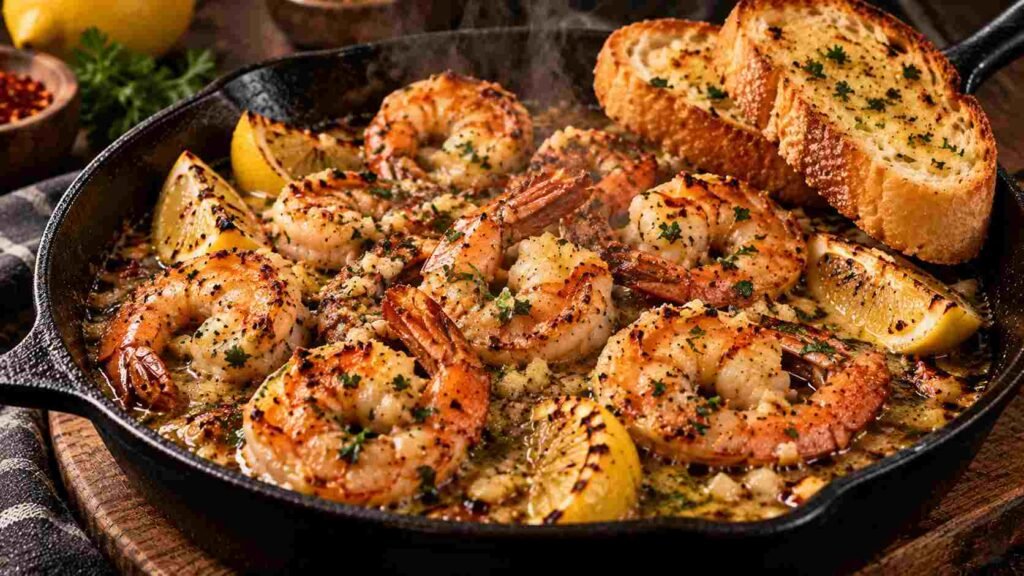
Mastering versatile and reliable shrimp recipes brings speed, elegance, and incredible flavor to your home kitchen. Across global coastal communities, succulent crustaceans represent the ultimate fast-cooking seafood. In fact, few ingredients transform from raw to restaurant-worthy in under five minutes. From sizzling garlic butter skillets to crispy party appetizers, shrimp pleases every palate. At Gulf Lights, we deliver verified culinary guides to elevate your home dining across the United Arab Emirates and beyond.
Cooking shrimp successfully requires minimal kitchen effort when you understand basic seafood science. However, home cooks frequently struggle with rubbery textures or bland seasonings. Furthermore, delicate shellfish requires gentle heat and careful timing. Consequently, learning proper prep techniques ensures plump, juicy results every single time. Explore our complete gastronomic series through our food category hub.
Why Cooking Shrimp at Home Is a Culinary Superpower
Preparing fresh crustaceans at home gives you complete control over flavor profiles and dining budgets. In luxury seafood lounges, shrimp entrees command hefty prices. In contrast, purchasing raw frozen shellfish cuts dining expenses dramatically. You can review regional household budget planning and seafood market benchmarks in our guide to prices in dubai for food.
Moreover, shrimp thaws in minutes and cooks faster than any land animal protein. A skillet of jumbo shellfish cooks through in less than four minutes on a hot stovetop. In addition, its sweet, briny meat pairs seamlessly with citrus, garlic, cream, and chili peppers. If you enjoy quick weeknight poultry cuts, compare these speedy techniques with our versatile chicken breast recipes. However, for rapid weeknight luxury, tender shrimp remains unmatched.
Understanding Sizing and Count: The Numbers on the Bag
Shopping for shellfish can feel confusing when navigating commercial packaging numbers. Understanding count terminology ensures you select the perfect size for your chosen recipe.
Seafood labels display numbers such as 16/20, 21/25, or 31/40. These numbers indicate the count of individual shrimp contained in one pound (454 grams) of product. Therefore, smaller numbers designate larger individual specimens. For example, 16/20 shrimp are jumbo specimens, while 41/50 shrimp are small salad varieties.
In addition, packages labeled “U-10” or “U-12” mean “under ten” or “under twelve” per pound. These colossal prawns are magnificent for high-heat outdoor grilling. For quick weeknight skillets and pastas, 21/25 or 26/30 sizes provide ideal bite-sized portions. If you enjoy whole muscle cuts with high-heat sears, check our classic steak recipes. Choosing the right size prevents undercooking or overcooking.
Fresh vs Frozen: The Counter Illusion
Many consumers assume that the glossy shrimp displayed on supermarket ice displays is fresher than bagged frozen shellfish. In reality, that assumption is usually incorrect.
Unless you live next to a working coastal fishing harbor, virtually all commercial shrimp is flash-frozen at sea immediately after harvest. Fishing vessels freeze the catch within hours to lock in ocean-fresh flavor and texture. Supermarket seafood counters simply thaw bags of frozen shrimp to display on crushed ice.
Consequently, buying pre-thawed counter seafood means the clock has already been ticking for days. Purchasing bags of individually quick-frozen (IQF) shrimp allows you to thaw only what you need. Frozen bags maintain pristine quality in your home freezer for months. You can review corporate regulatory standards and commercial licensing frameworks through our legal and government services directory. Buying frozen shrimp ensures peak freshness and kitchen convenience.
The Science of Tenderness: Preventing Rubbery, Tough Seafood
The single greatest culinary tragedy when cooking shellfish is overcooking. When raw crustaceans heat up, delicate muscle proteins contract rapidly.
Unlike tough cuts of beef, shrimp contains virtually no connective collagen. Therefore, it does not require slow simmering to become tender. When exposed to heat for even sixty seconds too long, muscle fibers tighten violently. This contraction squeezes out all internal water, turning plump meat into rubbery, chewy pellets.
Fortunately, visual cues reveal exact doneness. Raw shrimp forms a loose, open curve like the letter “C.” When fully cooked, it curls into a firm “C” shape and turns opaque pink. However, if the tail curls tightly into a closed circle resembling an “O,” the shrimp is severely overcooked. Pull your skillet off the heat source as soon as the meat turns opaque. You can compare delicate fish cooking physics in our guide to salmon recipes.
The Secret Restaurant Trick: The Baking Soda Brine
Professional Chinese banquet chefs and high-end seafood masters utilize a simple chemical trick to guarantee plump crunch. Soaking raw peeled shrimp in a gentle baking soda solution produces an astonishing transformation.
Baking soda (sodium bicarbonate) is an alkaline substance that raises the meat’s natural pH level. Raising the pH alters the electrical charge of muscle proteins. Consequently, the protein strands cannot bond tightly together when heated. As a result, the shrimp stays remarkably plump, juicy, and crisp rather than shrinking into tough curls.
To execute this technique, toss 500 grams of peeled shrimp with one teaspoon of kosher salt and half a teaspoon of baking soda. Let the mixture rest in the refrigerator for fifteen minutes. Rinse the shrimp thoroughly under cold water and pat completely dry with paper towels before cooking. This simple step delivers signature restaurant “snap” in every bite.
Classic Skillet Sensation: Garlic Butter Shrimp Scampi
Few Italian-American restaurant creations are as universally beloved as traditional shrimp scampi. This dish features plump shellfish bathed in a glossy pan sauce of butter, garlic, lemon juice, and white grape juice.
First, heat olive oil in a wide skillet over medium heat. Sauté plenty of thinly sliced garlic and crushed red pepper flakes until fragrant, taking care not to burn the garlic. Add the shrimp in a single layer, searing for ninety seconds per side until pink.
Second, remove the cooked shrimp to a plate to prevent overcooking. Deglaze the skillet with non-alcoholic white grape juice or chicken broth and fresh lemon juice. Simmer the liquid until reduced by half. Finally, take the pan off the heat and whisk in cold butter cubes to create a silky, emulsified sauce. You can verify dairy baking measurements in our kitchen reference guide on 1 cup butter in grams. Return the shrimp to the pan, toss with chopped parsley, and serve with crusty bread.
Mastering Timeless Shrimp Recipes at Home
This master garlic herb skillet recipe transforms humble shellfish into an opulent, restaurant-worthy feast in just ten minutes. Follow these step-by-step instructions for guaranteed dining triumph.
- Brine and Dry: Toss 600 grams of peeled, deveined jumbo shrimp with salt and baking soda. Rest fifteen minutes, rinse, and pat thoroughly dry with paper towels.
- Season Generously: Season the shrimp with black pepper, smoked paprika, and garlic powder.
- Sear Over High Heat: Heat one tablespoon of olive oil in a heavy cast-iron skillet over high heat. Add the shrimp in a single layer and sear undisturbed for one minute.
- Flip and Add Aromatics: Flip the shrimp. Immediately add forty grams of unsalted butter, four minced garlic cloves, and a pinch of red pepper flakes.
- Baste the Shellfish: Tilt the skillet slightly. Spoon the foaming garlic butter continuously over the shrimp for sixty seconds until opaque.
- Finish with Acid: Squeeze the juice of half a fresh lemon directly over the skillet. Remove from heat immediately.
- Garnish and Rest: Toss in two tablespoons of fresh chopped Italian parsley. Let rest for one minute in the warm pan juices before serving.
Serve immediately with warm crusty bread to mop up every drop of garlic butter. Pair this comforting seafood classic with artisanal bread from our naan bread recipe collection.
Sweet, Tangy, and Ultra-Crispy: Legendary Bang Bang Shrimp
Popularized by modern American casual dining bistros, crispy bang bang shrimp represents the ultimate party appetizer. It features crunchy cornstarch-crusted seafood tossed in a creamy, sweet chili glaze.
First, whisk together mayonnaise, sweet Thai chili sauce, and a dash of sriracha in a large bowl. This creamy sauce provides sweet heat that clings to fried starches. Second, dip peeled shrimp in buttermilk, then dredge thoroughly in cornstarch. Cornstarch creates an ultra-light, paper-thin shell that fries into exceptional crunch.
Fry the coated shrimp in 190°C (375°F) neutral oil for just two minutes until crisp and pale golden. Transfer to a wire rack to drain for thirty seconds. Finally, toss the piping hot shrimp directly into the bowl of bang bang sauce until coated. Serve immediately over a bed of shredded cabbage garnished with scallions. If you enjoy Asian sweet-savory profiles, explore our popular Chinese takeout orange chicken recipe. Crispy bang bang shrimp vanishes from party platters in seconds.
Southern Soul: Authentic Lowcountry Shrimp and Grits Recipe
Originating in the coastal Lowcountry region of South Carolina and Georgia, comforting shrimp and grits recipe is pure Southern culinary royalty. What began as a humble fisherman’s breakfast has become an iconic gourmet brunch staple.
The foundation of this dish is a bowl of stone-ground corn grits simmered slowly with whole milk, butter, and sharp cheddar cheese. Grits should cook until rich, creamy, and velvety smooth. Meanwhile, prepare the savory seafood gravy in a separate skillet.
Crisp diced beef bacon or smoked sausage in a skillet, then remove to drain. In the rendered fat, sauté diced bell peppers, shallots, and celery. Add seasoned jumbo shrimp and sear quickly. Pour in chicken broth, Worcestershire sauce, and lemon juice, simmering into a rich pan gravy. Ladle the hot savory shrimp and pan juices over the warm cheddar grits. If you enjoy slow-cooked shredded meats, check our classic pulled pork recipe. Shrimp and grits delivers unforgettable Southern warmth.
Fast Wok Dinners: Authentic Shrimp Fried Rice Recipe
When you need dinner on the table in under fifteen minutes, a savory shrimp fried rice recipe delivers delicious speed and balanced nutrition. It transforms leftover chilled rice into an aromatic wok masterpiece.
Always use day-old jasmine or long-grain rice that has been refrigerated overnight. Freshly cooked warm rice releases excess steam in the pan, causing the grains to turn mushy. Heat a large wok or skillet over high heat with neutral oil. Flash-fry seasoned shrimp for two minutes, then remove them to a side plate.
Scramble two eggs in the wok, break them into curds, and add chilled rice. Toss vigorously over blazing heat to toast the grains. Season with soy sauce, sesame oil, white pepper, and oyster sauce. Return the cooked shrimp to the wok along with frozen green peas, diced carrots, and scallions. Toss for two minutes until piping hot. If you love crispy battered poultry, explore our game-day fried chicken recipe. Fried rice delivers satisfying comfort with zero fuss.
Italian-American Decadence: Creamy Garlic Shrimp Pasta Recipes
Combining tender shellfish with al dente pasta and velvety cream sauces creates luxurious weeknight comfort. Exploring diverse shrimp pasta recipes satisfies pasta cravings effortlessly.
Boil fettuccine or linguine in generously salted water until al dente. In a separate wide skillet, sauté minced garlic and shallots in butter. Pour in heavy cream and chicken broth, bringing the sauce to a gentle simmer. Whisk in freshly grated Parmigiano-Reggiano cheese until smooth and velvety.
Fold in seared pink shrimp, baby spinach leaves, and drained pasta, tossing vigorously to coat every strand. The starch from the pasta water emulsifies with the cheese, binding the sauce to the noodles. Explore foundational tomato sauce reductions in our homemade spaghetti sauce guide. Creamy seafood pasta delivers romantic bistro luxury right in your dining room.
Baja Street Food Fiesta: Zesty Grilled Shrimp Tacos
Originating along the sun-drenched coasts of Baja California, vibrant shrimp tacos represent the pinnacle of casual Mexican street food. They balance smoky charred shellfish with crunchy cabbage and tangy lime crema.
Toss peeled shrimp with olive oil, ground cumin, chili powder, garlic powder, and lime zest. Thread the shrimp onto skewers and grill over high heat for two minutes per side until lightly charred. Charring caramelizes natural shellfish sugars, creating wonderful smoky depth.
Warm corn tortillas over open flames until pliable. Place three grilled shrimp in each tortilla, topped with shredded red cabbage, fresh avocado slices, and chopped cilantro. Drizzle generously with a zesty crema made from sour cream, lime juice, and minced chipotle peppers. If you love burger patties, explore our skillet techniques in our smash burger recipe guide. Fresh seafood tacos deliver an explosion of bright, refreshing textures.
Vintage Retro Elegance: Classic Chilled Shrimp Cocktail
First popularized in mid-century American steakhouses, a classic shrimp cocktail remains one of the most sophisticated appetizers for dinner parties. Crisp, chilled shellfish paired with fiery horseradish sauce never goes out of style.
The secret to unforgettable cocktail seafood lies in court bouillon poaching. Bring a pot of water to a gentle simmer with lemon halves, black peppercorns, fresh dill, and bay leaves. Turn off the heat completely and drop jumbo shell-on shrimp into the hot liquid. The residual heat poaches the delicate shellfish gently in four minutes without boiling them tough.
Immediately transfer the cooked shrimp into a bowl of ice water to shock them and halt cooking. Peel the shrimp, leaving the tails attached for easy dipping. Serve chilled over crushed ice alongside a homemade cocktail sauce crafted from ketchup, prepared horseradish, Worcestershire sauce, and lemon juice. Explore grand Arabian meat traditions in our guide to the national dish of uae.
Spanish Tapas Tradition: Sizzling Gambas al Ajillo
In bustling tapas bars across Madrid and Barcelona, clay cazuela pots of bubbling Gambas al Ajillo draw hungry patrons every evening. This Spanish classic celebrates the pure harmony of shellfish, extra virgin olive oil, and garlic.
Heat half a cup of premium extra virgin olive oil in a wide skillet or earthenware dish over medium-low heat. Add ten thinly sliced garlic cloves and dried red chili peppers. Cook gently for three minutes until the garlic softens and turns pale golden, infusing the oil with sweet aromatic essence.
Turn heat to high and add raw shrimp. Cook for two minutes, tossing in the fragrant garlic oil until pink and curled. Season with flaky sea salt and fresh lemon juice. Serve immediately while still bubbling fiercely, accompanied by crusty bread for dipping into the garlic-infused oil. If you enjoy poultry comfort stews, explore our homestyle chicken and dumplings recipe.
Never Discard Shells: The Rich Shellfish Stock Secret
When peeling raw shellfish at home, never throw the shells and heads into the trash. Those shells contain concentrated flavor compounds, natural glutamates, and sweet lobster-like aromatics.
Sauté shrimp shells in olive oil with diced onions, carrots, and tomato paste for five minutes until deep orange and fragrant. Deglaze the pan with water, add thyme sprigs, and simmer gently for twenty-five minutes. Strain the liquid through a fine-mesh sieve.
This golden shellfish stock serves as an extraordinary base for seafood risottos, chowders, and paellas. Freezing stock in ice cube trays gives you instant umami bombs to drop into weeknight pan sauces. Compare ground beef butchery dynamics in our guide to ground beef recipes. Kitchen efficiency transforms scraps into liquid gold.
Safe Thawing, Shelling, and Deveining Techniques
Handling raw shellfish safely ensures pristine culinary texture and prevents foodborne illness. Following proper thawing protocols keeps seafood firm and fresh.
Never thaw frozen shellfish in warm water or on the kitchen counter at room temperature. Rapid temperature changes break down cellular walls, leaving the meat mushy. Instead, place frozen shrimp in a colander and submerge it in a bowl of cold running tap water for ten minutes. The circulating cold water thaws the shellfish safely while preserving firm texture.
To devein shrimp, use kitchen shears or a small paring knife to slice shallowly along the dark curved back. Rinse away the dark digestive tract under cold running water. Pat the cleaned seafood thoroughly dry before seasoning. Review corporate regulatory standards and safety practices in our legal and government services directory.
Nutritional Powerhouse: Lean Protein and Astaxanthin
Registered dietitians celebrate shellfish as one of the leanest, most nutrient-dense animal proteins available. Incorporating shellfish into your weekly diet supports metabolic health and athletic recovery.
A 100-gram serving of cooked shrimp delivers twenty-four grams of high-quality complete protein with less than one gram of fat and under one hundred calories. Furthermore, shrimp provides abundant dietary selenium, vitamin B12, phosphorus, and zinc. Selenium acts as a powerful antioxidant, protecting thyroid function and cellular DNA.
In addition, the vibrant pink pigment in cooked shrimp comes from astaxanthin, a potent marine carotenoid. Astaxanthin supports skin elasticity, ocular health, and cardiovascular wellness. Discover how whole-food lifestyle frameworks support lifelong vitality in our comprehensive guide to a balanced diet. In addition, discover nutrient-dense natural superfoods in our analysis of dates benefits.
Side Dish Symphony: Grains, Greens, and Fresh Salads
Because shrimp cooks quickly and offers sweet, delicate flavors, thoughtful side dish pairings create a complete, memorable meal. Balancing rich garlic butter with crisp acidity satisfies every craving.
A crisp romaine salad tossed with our zesty caesar salad recipe dressing cuts through rich butter sauces effortlessly. In addition, steamed jasmine rice, garlic butter noodles, or roasted asparagus provide wonderful accompaniments. For grand rice feasts, explore our celebrated Indian rice dishes in our authentic biryani recipe guide.
If you enjoy versatile ocean seafood, explore our guide on tender fish recipes. Savoring diverse seafood specialties keeps your weekly dining routine vibrant and exciting. Thoughtful side pairings turn a quick skillet into an unforgettable feast.
Commercial Hospitality Careers in Seafood Fabrication
Mastering high-speed sauté stations, wok cookery, and seafood fabrication are core culinary competencies evaluated across the global hospitality sector. In luxury waterfront resorts and seafood bistros, line cooks execute hundreds of shrimp orders during bustling dinner rushes.
Talented sauté chefs, line cooks, and kitchen managers enjoy strong recruitment demand across major gastronomic hubs like Dubai. If you are exploring vocational culinary paths, review our comprehensive guide on hospitality tourism jobs. In addition, executive chefs and culinary directors command prestigious compensation packages. Explore executive salary scales in our guide to the highest paying jobs.
Furthermore, restaurant networks rely on refrigerated logistics and cold-chain warehousing to distribute seafood safely from coastal ports. Candidates interested in supply logistics can explore opportunities in our guide on dubai warehouse logistics jobs. Dedicated culinary professionals can achieve corporate leadership roles through strategic career change growth. Many international culinary talents relocate using our guide to work abroad. You can study statutory labor standards in our analysis of the labour law uae.
Frequently Asked Questions About Cooking Shrimp
Should I cook shrimp with the tails on or off?
Leaving tails on provides better presentation and makes shrimp easier to grab as finger food for appetizers. Furthermore, tails contain flavor compounds that enrich pan sauces. However, removing tails is more convenient when tossing shrimp into pasta, soups, or fried rice.
How do I know when frozen shrimp is thawed and ready to cook?
Thawed shrimp feels completely pliable and translucent, with no icy hardness in the center. After ten minutes in cold running water, pat dry with paper towels to verify doneness.
Can I cook shrimp from frozen without thawing first?
While you can drop small frozen shrimp directly into simmering soups, pan-searing frozen shrimp is not recommended. Frozen seafood releases massive amounts of water in the skillet, boiling the meat rather than searing it.
Why did my shrimp turn mushy instead of firm?
Shrimp turns mushy when thawed in warm water, left in acidic citrus marinades for too long, or sourced from poor-quality aquaculture. Thaw strictly in cold water and add lemon juice only during the final sixty seconds of cooking.
Mastering these classic shrimp recipes empowers you to prepare fresh, succulent, and restaurant-quality seafood banquets in mere minutes. By understanding count sizing, practicing the baking soda brining secret, and pulling shellfish from the heat the moment it turns pink, you can create extraordinary culinary feasts with ease. For additional culinary tutorials, kitchen advice, and verified lifestyle guides, connect with our specialist team via the Gulf Lights contact page. Discover more inspirational cooking articles on the Gulf Lights blog.