
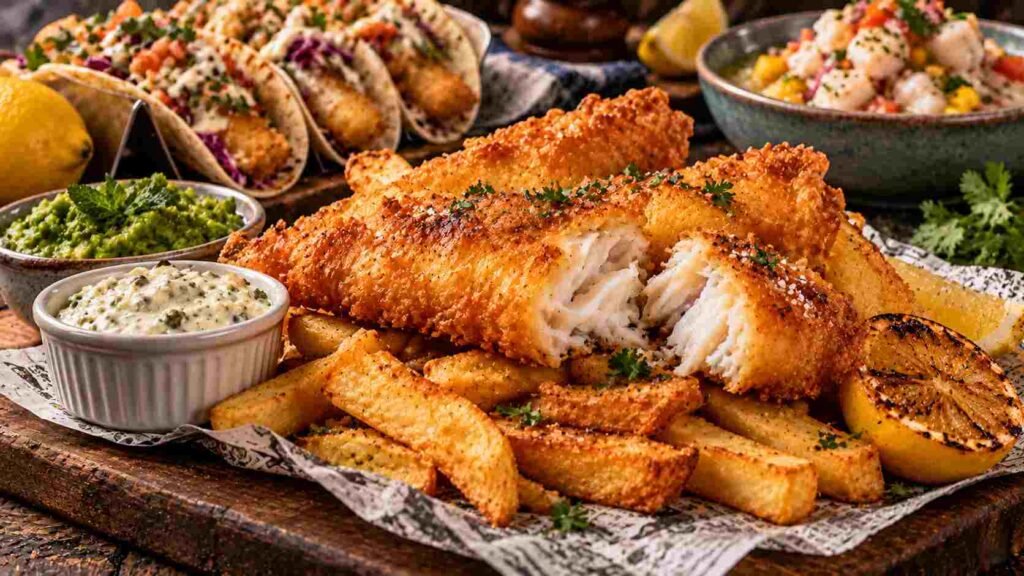
Mastering a diverse collection of fish recipes is one of the most rewarding milestones for every home cook. Across every continent, coastal communities celebrate fish as an essential culinary cornerstone. From crispy pub classics to citrus-cured delicacies, white fish offers unmatched versatility and clean flavor. Furthermore, delicate fish fillets cook in mere minutes, making them ideal for quick weeknight entertaining. At Gulf Lights, we deliver verified culinary guides to elevate your dining repertoire across the United Arab Emirates and beyond.
Cooking fish successfully requires understanding delicate muscle structures, moisture management, and precise heat control. However, many home cooks hesitate to prepare fresh fillets, fearing dry flesh or lingering kitchen odors. In fact, following proper frying, baking, and poaching techniques guarantees flaky, succulent results every single time. Consequently, you can prepare magnificent seafood feasts that rival premier waterfront bistros. Explore our complete gastronomic archive through our food category hub.
Why Mastering Fish Recipes Unlocks Global Coastal Gastronomy
Exploring international seafood dishes connects your kitchen directly with historic maritime cultures. Every ocean basin has produced distinctive techniques to showcase native marine catches. For instance, British dockworkers perfected airy beer batters, while Latin American coastal communities harnessed the power of raw citrus juices.
Furthermore, cooking fresh white fish at home yields substantial economic savings compared to restaurant dining. In high-end dining rooms, seafood entrees carry significant markups due to delicate storage requirements. In contrast, sourcing fresh fillets from regional fish markets provides premium nutrition affordably. You can review regional household budget planning and grocery shopping tips in our guide to prices in dubai for food.
Moreover, white fish delivers clean protein without heavy saturated fat. Its gentle flavor absorbs herbs, spices, and sauces with incredible speed. If you enjoy rich fatty seafood, compare these delicate white fillets with our popular salmon recipes. However, for sheer versatility and crispy crunch, white ocean fish remains undefeated.
Selecting Fresh White Fish: Cod, Halibut, Sea Bass, and Tilapia
The success of every seafood preparation depends directly on selecting pristine fish at the market. Understanding species differences ensures your culinary technique matches the fish’s natural flake density.
First, Atlantic cod and haddock are the gold standards for frying and baking. Cod features large, tender flakes and a clean, mildly sweet flavor profile. Its firm structure holds up beautifully under heavy batters. Second, Alaskan halibut represents the luxury apex of white fish. Halibut offers dense, meaty steaks that sear gracefully in cast-iron skillets.
Third, Mediterranean sea bass (branzino) provides delicate sweetness and tender skin that crisps magnificently under high heat. In contrast, tilapia and swai offer economical, mild options that absorb bold dry seasonings effortlessly. If you love quick shellfish preparations, explore our ten-minute shrimp recipes. Sourcing quality fish guarantees sweet ocean flavor in every bite.
Identifying Freshness at the Seafood Counter
Knowing how to evaluate raw seafood prevents disappointing culinary results before you leave the market. Fresh fish should never possess an unpleasant, pungent odor. In fact, truly fresh fish smells purely of clean ocean water and salt air.
When purchasing whole fish, examine the eyes and gills carefully. The eyes must appear clear, bright, and slightly bulging rather than cloudy or sunken. In addition, the gills should display a vibrant cherry-red color without gray slime. The flesh must feel firm and elastic, springing back immediately when pressed with a finger.
When purchasing pre-cut fillets, look for moist, glistening flesh without dry edges or milky pooling liquid. Avoid fillets sitting in standing water, as excess moisture damages delicate muscle fibers. You can review corporate regulatory standards and commercial food inspection rules through our legal and government services directory. Diligent market selection ensures restaurant-caliber freshness at home.
British Pub Perfection: Authentic Beer-Battered Fish and Chips
Few dishes command greater international adoration than traditional British fish and chips. Born in nineteenth-century working-class ports, this iconic dish features thick white cod fillets encased in an airy, shatteringly crisp batter.
The secret to incredible batter lies in carbonation and temperature. Whisk all-purpose flour, cornstarch, baking powder, and cold sparkling malt water or non-alcoholic beer until smooth. Cold carbonation creates millions of microscopic bubbles that expand violently upon hitting hot oil. This expansion puffs the batter into an airy, lace-like shell that stays crisp for hours.
Dredge dry cod fillets in plain flour, dip into the cold batter, and lower gently into 185°C (365°F) oil. Fry for seven minutes until deeply golden and buoyant. Serve alongside thick double-cooked chips, creamy tartar sauce, and minted mushy peas. If you enjoy crispy battered poultry, compare this delicate crunch with our double-dredged fried chicken recipe. Authentic fish and chips delivers legendary pub comfort.
Baja Street Magic: Zesty Crispy Fish Tacos Recipe
Originating along the sun-drenched coastlines of Baja California, a vibrant fish tacos recipe represents the height of casual street food. It balances crispy fried fish with crunchy slaw and spicy crema.
Cut firm white fish fillets, such as cod or mahi-mahi, into finger-sized strips. Dip the strips into a light lime-spiced batter and flash-fry for three minutes until golden. Warm white corn tortillas over an open flame until soft and pliable.
Assemble the tacos by placing two crispy fish strips inside each warm tortilla. Top with finely shredded purple cabbage, fresh avocado slices, and chopped cilantro. Drizzle generously with a zesty sauce made from sour cream, mayonnaise, fresh lime juice, and chipotle peppers. Savoring hot crispy fish wrapped in warm corn dough is pure dining bliss. Compare these handheld wonders with our bodega favorites in our smash burger recipe guide.
Citrus-Cured Ocean Freshness: Authentic Peruvian Ceviche Recipe
Hailing from the Pacific coast of Peru, traditional ceviche recipe is a masterclass in chemical transformation. Unlike standard hot dishes, ceviche cooks without heat through the ancient power of citrus acid.
Dice sushi-grade sea bass or flounder into uniform two-centimeter cubes. Submerge the raw fish in freshly squeezed lime juice mixed with minced red onions, aji amarillo chilies, and salt. The citric acid denatures the fish proteins, firming the flesh and turning it opaque within fifteen minutes. Peruvian chefs call this vibrant, nutrient-dense citrus marinade “leche de tigre” (tiger’s milk).
Serve immediately while the fish retains a tender, delicate bite. Accompany the cold ceviche with boiled sweet potato rounds, crunchy toasted corn kernels (cancha), and fresh cilantro. Ceviche delivers clean, electrifying acidity that revitalizes the palate. If you enjoy light weeknight proteins, compare this with our tender chicken breast recipes. Authentic ceviche showcases the pure, unmasked essence of the sea.
British Comfort Heritage: Creamy Baked Fish Pie Recipe
When cold autumn winds arrive, a comforting homemade fish pie recipe provides the ultimate family warmth. This beloved British casserole features mixed seafood poached in a velvety herb sauce, topped with a cloud of mashed potatoes.
Combine cubes of fresh cod, smoked haddock, and raw peeled shrimp in a deep baking dish. The smoked haddock infuses the entire pie with rich, savory wood smoke. Pour over a silky bechamel sauce enriched with heavy cream, English mustard, fresh chopped dill, and sweet garden peas. You can verify proper dairy baking proportions in our kitchen reference guide on 1 cup butter in grams.
Top the seafood with a thick layer of buttery mashed potatoes. Rake the potato surface with a fork to create ridges, and sprinkle with mature cheddar cheese. Bake at 200°C (400°F) for thirty minutes until the top turns deeply golden and the sauce bubbles vigorously. If you enjoy slow-cooked shredded meats, check our classic pulled pork recipe. Creamy fish pie brings soothing comfort to any weekend dinner table.
Southern Tradition: Golden Cornmeal Fish Fry
Across the American South, a weekend fish fry is a cherished social gathering. Southern cooks favor freshwater catfish or ocean flounder coated in coarse cornmeal rather than flour batter.
Soak fresh catfish fillets in seasoned buttermilk for thirty minutes. The gentle acid in buttermilk removes earthy undertones while helping the dry coating adhere tightly. Next, dredge the soaked fish in a mixture of yellow cornmeal, all-purpose flour, garlic powder, onion powder, and cayenne pepper.
Pan-fry in a cast-iron skillet filled with hot peanut oil for four minutes per side until golden brown and crackling. Cornmeal creates a rustic, crunchy crust that contrasts beautifully with moist, flaky fish. Serve hot with hushpuppies, vinegar coleslaw, and sliced raw onions. Explore rich Italian herb reductions in our homemade spaghetti sauce guide. A Southern fish fry brings lively energy to casual family dining.
New England Summer Luxury: Authentic Maine Lobster Roll
Along the rocky shores of New England, roadside seafood shacks celebrate summer with the iconic lobster roll. This luxury sandwich showcases sweet, tender lobster meat nestled inside a split-top brioche roll.
Cooks divide into two passionate regional camps: Maine style and Connecticut style. Maine lobster rolls feature chilled claw and knuckle meat tossed lightly with mayonnaise, minced celery, and lemon juice. In contrast, Connecticut style serves warm lobster poached directly in melted clarified butter. Both styles demand a top-split bun griddled in butter until golden brown.
Piling sweet lobster meat into warm toasted bread creates an unforgettable textural contrast. The rich butter enhances the shellfish’s natural ocean sweetness without masking its flavor. Compare these grand seafood traditions with slow-cooked Arabian stews in our guide to the national dish of uae. A proper lobster roll represents coastal decadence at its finest.
Maryland Boardwalk Pride: Jumbo Lump Crab Cakes
Chesapeake Bay watermen have spent centuries perfecting the art of the perfect crab cakes. True Maryland crab cakes prioritize sweet lump crab meat above all else, using minimal filler starches.
Gently fold one pound of jumbo lump blue crab meat with a binding mixture of mayonnaise, Dijon mustard, Worcestershire sauce, one egg, and Old Bay seasoning. Add just enough crushed saltine cracker crumbs to hold the cakes together loosely. Be extremely gentle when mixing to avoid breaking the large, pristine lumps of crab.
Shape into four mounds and broil in the oven for twelve minutes until golden brown on top. Biting through a delicate crust to reveal sweet, steaming crab lumps is pure luxury. Serve with lemon wedges and spicy remoulade sauce. If you enjoy slow-simmered beef comfort, explore our homestyle beef stew recipe. Maryland crab cakes deliver gourmet dining with minimal kitchen effort.
Steaming Coastal Warmth: Rich New England Clam Chowder Recipe
Originating on chilly North Atlantic fishing vessels, authentic clam chowder recipe provides rich, stick-to-your-ribs warmth. This iconic soup combines briny ocean clams, tender potatoes, and smoky bacon in a velvety cream base.
Crisp diced beef bacon or cured beef strips in a heavy Dutch oven, then remove them to drain. In the rendered fat, sauté diced onions and celery until soft. Whisk in flour to create a roux, then pour in rich ocean clam broth and whole milk.
Add diced russet potatoes and simmer gently until fork-tender. Finally, fold in tender chopped clams and heavy cream, heating through without boiling. The natural starches from the potatoes thicken the chowder into a luxurious, spoon-coating consistency. Serve with oyster crackers in warm sourdough bread bowls. If you enjoy homestyle poultry stews, explore our chicken and dumplings recipe. Clam chowder warms cold winter evenings effortlessly.
Mediterranean Simplicity: Whole Roasted Fish with Lemon and Herbs
In seaside tavernas across Greece and Italy, chefs prepare fish with minimalist elegance. Roasting whole fish on the bone preserves natural moisture and infuses deep aromatic essence.
Scale and gut a whole sea bass or red snapper, scoring the skin lightly on both sides. Stuff the cavity with sliced lemons, smashed garlic cloves, and fresh rosemary sprigs. Drizzle generously with premium extra virgin olive oil and season with coarse sea salt.
Roast in a blazing 220°C (425°F) oven for twenty minutes until the skin blisters and the flesh flakes cleanly from the spine. The bones insulate the delicate meat, preventing it from drying out under high heat. Fillet the fish tableside and dress with fresh lemon juice and chopped parsley. Compare ground meat techniques with our master ground beef recipes guide. Mediterranean whole fish proves that simplicity often yields the greatest culinary rewards.
Asian Steaming Traditions: Cantonese Ginger-Scallion White Fish
In Cantonese banquet dining, steamed whole fish represents prosperity, elegance, and profound culinary skill. Steaming cooks delicate white fish with gentle vapor, preserving natural sweetness and silky textures.
Place a fresh whole flounder or cod fillet on a heatproof ceramic dish. Top the fish with fine julienned strips of fresh ginger. Steam over boiling water inside a bamboo steamer for eight minutes until the flesh turns opaque.
Carefully pour off excess cooking water from the plate. Scatter a mountain of finely shredded scallions and cilantro over the fish, then pour seasoned soy sauce around the base. Finally, heat two tablespoons of peanut and sesame oil until smoking hot, and pour it directly over the scallions. The smoking oil crackles fiercely, releasing intoxicating scallion aromas that infuse the delicate fish. Serve immediately over steaming jasmine rice.
Mastering Timeless Fish Recipes at Home
This master pan-seared white fish recipe delivers golden caramelized crusts, flaky tenderness, and a bright lemon-butter pan sauce in twelve minutes. Follow these detailed instructions for guaranteed dining triumph.
- Dry and Season: Pat four cod or halibut fillets thoroughly dry with paper towels. Season both sides with kosher salt, white pepper, and garlic powder.
- Dust with Flour: Dust the fillets very lightly with all-purpose flour, shaking off all excess. The flour creates a delicate barrier that promotes browning.
- Preheat the Skillet: Heat one tablespoon of olive oil in a heavy stainless steel or cast-iron skillet over medium-high heat until shimmering.
- Sear Undisturbed: Lay fillets gently into the hot skillet. Cook undisturbed for four minutes until a golden crust forms and the fish releases naturally.
- Flip and Add Butter: Flip fillets carefully using a thin fish spatula. Add thirty grams of unsalted butter, two smashed garlic cloves, and fresh thyme sprigs to the pan.
- Baste the Meat: Tilt the skillet slightly and spoon the foaming herb butter continuously over the fish for two minutes.
- Finish with Citrus: Squeeze fresh lemon juice over the skillet and remove from heat immediately. Let rest for two minutes in the pan juices before serving.
Pour remaining pan butter over the fillets and serve immediately. Pair this comforting classic with artisanal flatbreads from our naan bread recipe collection.
The Science of Cooking White Fish: Flaking, Moisture, and Heat Control
Understanding fish anatomy prevents overcooking and ensures tender results. Unlike land animals, fish live in buoyant marine environments, so their muscles perform different physical work.
Fish muscle consists of short muscle fibers called myotomes, separated by delicate sheets of connective tissue called myocommata. This connective tissue dissolves at much lower temperatures than mammalian collagen. Consequently, fish flesh flakes apart naturally as soon as it reaches gentle cooking heat.
However, overcooking causes delicate protein strands to shrink rapidly, expelling all moisture and leaving the fish chalky and dry. Always pull white fish from the heat when an instant-read digital thermometer reaches 58°C to 60°C (137°F to 140°F). Residual heat will carry the fish to the safe 63°C (145°F) threshold during resting. If you enjoy whole muscle red meat with high-heat sears, check our classic steak recipes.
Nutritional Powerhouse: Lean Marine Protein and Vital Minerals
Registered dietitians universally celebrate white ocean fish as a vital cornerstone of human nutrition. Savoring well-sourced fish delivers clean micronutrients with minimal caloric load.
White fish provides exceptionally lean, complete dietary protein alongside abundant bioavailable iodine and selenium. Iodine supports thyroid hormone synthesis and metabolic regulation, while selenium provides powerful cellular antioxidant protection. Furthermore, ocean fish supplies essential B-complex vitamins, potassium, and magnesium.
To support lifelong vitality, pair your seafood with vibrant leafy salads, steamed greens, or wholesome whole grains. Explore whole-food lifestyle frameworks in our comprehensive guide to a balanced diet. In addition, discover nutrient-dense natural superfoods in our analysis of dates benefits. Wholesome ingredients ensure seafood dining aligns with long-term health goals.
Side Dish Symphony: Tartar Sauce, Chips, and Crisp Greens
Because delicate white fish offers clean, subtle flavors, thoughtful side dish pairings create a complete dining experience. Crispy starches and acidic greens provide essential balance.
A crisp romaine salad tossed with our zesty caesar salad recipe dressing cuts through rich fried batters effortlessly. In addition, roasted baby potatoes, steamed green beans, or sweet corn provide wonderful accompaniments. For festive rice feasts, explore our celebrated Indian rice dishes in our authentic biryani recipe guide.
Furthermore, homemade tartar sauce crafted from mayonnaise, chopped dill pickles, capers, lemon juice, and fresh dill is an essential partner for fried fish. Harmonious side pairings elevate a simple fillet into an unforgettable feast.
Commercial Hospitality Careers in Seafood Fabrication and Fine Dining
Mastering fish fabrication, delicate pan-searing, and raw seafood handling are elite culinary competencies evaluated across the global hospitality sector. In luxury waterfront resorts and Michelin-starred restaurants, seafood chefs manage valuable inventory under strict hygiene standards.
Talented line cooks, fish station chefs, and kitchen supervisors enjoy strong recruitment demand across major gastronomic hubs like Dubai. If you are exploring vocational culinary paths, review our comprehensive guide on hospitality tourism jobs. In addition, executive chefs and restaurant operations directors command prestigious compensation packages. Explore executive salary scales in our guide to the highest paying jobs.
Furthermore, restaurant networks rely on refrigerated logistics and cold-chain warehousing to distribute seafood safely from coastal ports. Candidates interested in supply logistics can explore opportunities in our guide on dubai warehouse logistics jobs. Dedicated culinary staff can advance into corporate leadership roles through strategic career change growth. Many international culinary talents relocate using our guide to work abroad. You can study statutory labor standards in our analysis of the labour law uae.
Frequently Asked Questions About Cooking Fish
How do I prevent delicate fish fillets from breaking apart in the skillet?
Fish breaks apart when moved prematurely or turned with a thick spatula. Let the fish cook undisturbed until a firm crust forms and releases naturally from the pan. Always use a thin, flexible metal fish spatula to turn fillets gently.
Can I cook fish directly from frozen?
While you can poach frozen fillets in simmering broths, pan-searing or frying frozen fish is not recommended. Frozen fish releases massive amounts of surface water, which prevents browning and causes oil splattering. Thaw fish completely in the refrigerator before cooking.
What is the best cooking oil for deep-frying fish?
Peanut oil and canola oil are the best choices for frying fish because of their high smoke points and neutral flavors. They allow the sweet, delicate flavor of white fish to shine without leaving greasy aftertastes.
How do I eliminate lingering fish odors in my kitchen after cooking?
Simmer a small pot of water with sliced lemons, cinnamon sticks, and two tablespoons of white vinegar on the stove for fifteen minutes after cooking fish. The rising steam neutralizes airborne fish aromas effectively.
Mastering these classic fish recipes empowers you to prepare fresh, succulent, and restaurant-quality seafood banquets with complete culinary confidence. By understanding species differences, respecting delicate muscle structures, and practicing precise heat regulation, you can create extraordinary coastal dining right at your own dinner table. For additional culinary tutorials, kitchen advice, and verified lifestyle guides, connect with our specialist team via the Gulf Lights contact page. Discover more inspirational cooking articles on the Gulf Lights blog.