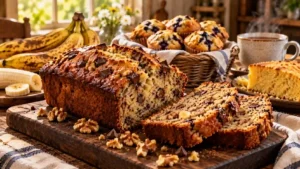
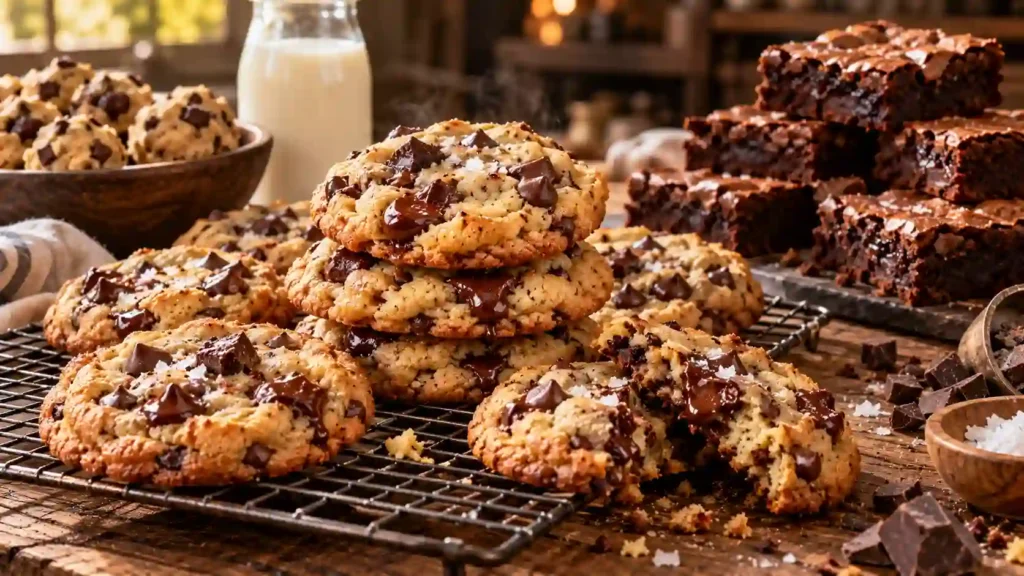
Baking a batch of warm, chewy chocolate chip cookie recipe treats fills the entire home with unmatched warmth and sweet nostalgia. Across global baking traditions, few desserts command as much universal adoration as a freshly baked cookie. The contrast of crisp caramelized edges, soft chewy centers, and molten dark chocolate pools creates pure culinary bliss. At Gulf Lights, we deliver verified culinary guides to elevate everyday home dining across the United Arab Emirates and beyond.
Mastering artisanal dessert baking does not require professional pastry school credentials. In fact, achieving bakery-caliber cookies depends on butter emulsion science, sugar hygroscopy, and patient dough hydration. Furthermore, learning core baking fundamentals unlocks beloved dessert classics like crinkly fudgy brownies, buttery sugar cookies, and cinnamon snickerdoodles. Consequently, you can treat your family to exquisite sweet bakes with complete culinary confidence. Explore our complete culinary archive through our food category hub.
The Accidental Genius: Ruth Wakefield and the Toll House Inn
The cultural history of the modern chocolate chip cookie is a celebrated story of domestic culinary innovation. In the 1930s, chef Ruth Graves Wakefield operated the historic Toll House Inn in Whitman, Massachusetts. Wakefield was renowned for serving homemade meals and traditional butter drop cookies to travelers.
According to culinary history, Wakefield ran out of baker’s melting chocolate while preparing a batch of butter cookies. Instead, she chopped a block of semi-sweet chocolate into tiny fragments, expecting the pieces to dissolve evenly into the dough. However, the chocolate bits retained their individual shape, softening into rich, molten pockets inside the golden crumb. You can review regional household grocery budgets and dining benchmarks in our guide to prices in dubai for food.
Consequently, the “Toll House Chocolate Crunch Cookie” became an overnight national sensation across North America. Over subsequent decades, this humble drop cookie evolved into the undisputed cornerstone of global bakery culture. Moreover, similar comforting sweet baking traditions flourish across diverse culinary cultures worldwide. You can explore traditional Gulf grain and meat stews in our comprehensive guide to the national dish of uae. Chocolate chip cookies celebrate the timeless joy of transforming simple pantry staples into exquisite comfort.
The Science of Fat: Creamed Butter vs Brown Butter Physics
Understanding fat dynamics is the primary secret to controlling cookie texture. The state of your butter determines whether your finished cookies turn out cakey, flat, or delightfully chewy.
First, traditional recipes instruct bakers to cream softened room-temperature butter with granulated sugar. Creaming forces sharp sugar crystals through the solid butter, trapping millions of microscopic air pockets. When baked, these expanding air pockets cause cookies to rise into cake-like, fluffy textures. If you enjoy fluffy morning breakfast bakes, explore our celebrated pancake recipe guide.
In contrast, using melted butter produces a significantly denser, chewier cookie. Melting butter breaks the dairy emulsion, eliminating trapped air entirely. Furthermore, browning the melted butter in a saucepan over medium heat elevates the flavor profile dramatically. As water evaporates from the butter, dairy milk solids sink to the bottom and toast into nutty, caramelized speckles. Brown butter introduces complex toffee notes that enhance sweet chocolate. You can verify dairy baking measurements in our kitchen reference guide on 1 cup butter in grams.
Sugar Chemistry: The Crucial Ratio of Brown to White Sugar
The ratio of white granulated sugar to dark brown sugar governs both spread and chewiness. Sugars perform vital chemical and physical roles beyond providing sweetness.
First, white granulated sugar consists of pure crystalline sucrose. White sugar promotes cookie spread during baking, absorbing surface moisture and promoting crisp, caramelized edges. Second, brown sugar contains sucrose mixed with natural molasses syrup. Molasses is highly hygroscopic, meaning it attracts and retains water molecules aggressively.
Consequently, higher proportions of brown sugar keep cookies remarkably soft, moist, and bendable long after cooling. In addition, the mild acidity in natural molasses reacts with baking soda to produce gentle carbon dioxide gas. The ideal formula for best chocolate chip cookies uses a 2:1 ratio of dark brown sugar to white sugar. This precise balance guarantees paper-thin crisp edges surrounding a thick, fudge-like core.
Flour Protein and Dough Hydration: The 48-Hour Chill Secret
Professional bakery chefs practice a critical resting technique that transforms ordinary cookies into artisanal masterpieces: the 48-hour cold dough chill. Baking cookie dough immediately after mixing leaves flavors flat and textures greasy.
When you place mixed cookie dough inside the refrigerator (4°C / 40°F), two biological transformations occur. First, flour proteins and starches hydrate fully by absorbing liquid from the eggs and butter. As flour hydrates, the dough firms up, preventing excessive spreading in the hot oven. You can compare dough hydration physics in our master guide to pizza dough recipe crusts.
Second, natural enzymes in the flour break complex starches down into simple sugars. These simple sugars caramelize rapidly upon hitting hot oven air, producing deeper mahogany browning and rich butterscotch aromas. Chilling your dough for twenty-four to forty-eight hours creates an audibly crisp exterior and chewy interior that same-day dough cannot duplicate. You can review corporate regulatory standards and safety practices in our legal and government services directory.
Mastering the Ultimate Chocolate Chip Cookie Recipe at Home
This master chocolate chip cookie recipe delivers bakery-style chewy cookies loaded with dark chocolate puddles and flaky sea salt. Follow these step-by-step instructions for guaranteed baking triumph.
- Brown the Butter: Melt 225 grams of unsalted butter in a light-colored saucepan over medium heat. Swirl continuously for five minutes until milk solids turn golden-brown and smell nutty. Pour into a bowl to cool for twenty minutes.
- Whisk Sugars and Eggs: In a large mixing bowl, whisk the cooled brown butter with one cup of dark brown sugar and half a cup of granulated white sugar. Add two large eggs and one tablespoon of pure vanilla extract, whisking vigorously for two minutes until pale and ribbon-like. Explore egg chemistry in our guide on how to boil eggs.
- Combine Dry Ingredients: Fold in two and a quarter cups of all-purpose flour, one teaspoon of baking soda, and one teaspoon of fine sea salt using a rubber spatula. Mix until just combined; do not overmix.
- Chop the Chocolate: Chop 250 grams of high-quality semi-sweet and bittersweet chocolate bars into uneven chunks. Fold the chocolate chunks into the dough, reserving a handful for topping.
- Cold Aging Rest: Cover the bowl tightly with plastic wrap and chill in the refrigerator for at least twenty-four hours.
- Portion and Shape: Scoop large three-tablespoon dough mounds onto parchment-lined baking sheets, spacing them eight centimeters apart. Press reserved chocolate chunks into the tops.
- Bake to Golden Perfection: Bake in a preheated oven at 175°C (350°F) for eleven to thirteen minutes until edges are deeply golden and centers remain soft.
- The Pan Bang Trick: Immediately upon removing from the oven, tap the baking sheet firmly against the stovetop twice. Tapping deflates rising air, creating gorgeous rippled crinkles.
- Salt and Cool: Sprinkle immediately with flaky Maldon sea salt. Let rest on the hot pan for ten minutes before transferring to a wire cooling rack.
Serve warm with a cold glass of milk. Pair this comforting classic with artisanal flatbreads from our naan bread recipe collection for creative entertaining spreads.
Chocolate Selection: Wafers vs Chopped Bars vs Standard Chips
The type of chocolate you fold into your dough dramatically impacts the final visual and textural appeal. Standard commercial chocolate chips contain chemical stabilizers that hinder melting.
Commercial chips contain added soy lecithin and lower cocoa butter ratios to help them hold their teardrop shape inside hot ovens. Consequently, commercial chips remain firm, waxy pellets. In contrast, chopping premium dark chocolate bars with a serrated knife yields diverse shards and dust. The fine chocolate dust melts into the dough crumb, while large chunks melt into wide, molten puddles.
Furthermore, professional chocolate feves (flat discs) create layered tiers of melted chocolate throughout the cookie. Selecting chocolate with sixty to seventy percent cocoa solids provides rich, complex bitterness that balances sweet brown sugar dough. If you love burger patties, explore our skillet techniques in our smash burger recipe guide. Quality chocolate transforms ordinary cookies into gourmet luxuries.
The Holy Grail of Cocoa: Decadent Fudgy Brownies Recipe
Alongside chewy cookies, an authentic brownie recipe holds an honored place in home dessert repertoire. Chocolate lovers divide into two passionate camps: cakey brownies and decadent fudgy brownies.
The secret to ultra-fudgy brownies lies in the fat-to-flour ratio. Fudgy brownies utilize minimal flour and generous melted chocolate and butter. In addition, achieving the iconic shiny, paper-thin crinkly top requires food science. To create that delicate meringue crust, you must whip whole eggs and granulated sugar vigorously for five minutes until light and frothy.
The sugar dissolves completely into the warm egg proteins, migrating to the surface during baking to form an ultra-thin sugar crust. Fold in melted dark chocolate, Dutch-processed cocoa powder, and just half a cup of flour. Bake at 175°C (350°F) for twenty-five minutes until a toothpick inserted into the center emerges with moist, sticky crumbs. If you enjoy layered baked bakes, explore our celebrated best lasagna recipe. Fudgy brownies deliver deep, unadulterated chocolate luxury.
Buttery Simplicity: Classic Drop and Cut-Out Sugar Cookie Recipe
When you crave clean butter flavor and festive decoration, an authentic sugar cookie recipe provides timeless satisfaction. Sugar cookies divide into soft drop cookies and sturdy rolled cut-out cookies.
For rolled cut-out cookies that hold sharp decorative edges, cream room-temperature butter with powdered sugar rather than granulated sugar. Powdered sugar contains cornstarch, which controls spread and produces an ultra-fine, melt-in-your-mouth crumb. Chill the rolled dough sheets for thirty minutes before cutting with cookie cutters.
Bake for eight minutes until the bottoms are barely golden; the tops should remain pale and tender. Decorate with glossy royal icing made from powdered sugar, meringue powder, and warm water. If you love savory breakfast casseroles, explore our make-ahead tips in our breakfast casserole recipe guide. Classic sugar cookies bring artistic joy to family holiday gatherings.
Nutty Nostalgia: Traditional Fork-Pressed Peanut Butter Cookies
A cherished staple of mid-century home kitchens, comforting peanut butter cookies deliver rich, salty-sweet satisfaction. This dense drop cookie is universally recognized by its signature criss-cross fork pattern.
Always use commercial creamy peanut butter rather than natural oil-separating varieties for baking. Natural peanut butter releases excess oil that causes cookies to spread excessively into greasy pools. Cream peanut butter with butter, brown sugar, white sugar, and eggs before folding in flour and baking soda.
Roll the dough into balls, dip a dinner fork in granulated sugar, and press firmly in two perpendicular directions. The fork marks are not merely decorative; dense peanut butter dough is exceptionally thick and will not spread naturally in the oven. The criss-cross pressing flattens the dough evenly, ensuring uniform baking throughout. If you enjoy slow-simmered beef comfort, explore our homestyle beef stew recipe guide. Peanut butter cookies provide rich, nutty comfort.
Chewy Wholesome Comfort: Old-Fashioned Oatmeal Cookies Recipe
For bakers who crave hearty texture and spiced warmth, an authentic oatmeal cookies recipe delivers rustic satisfaction. Old-fashioned rolled oats provide delightful chew and wholesome whole-grain nutrition.
Always select whole rolled oats (old-fashioned oats) rather than powdery instant quick oats. Rolled oats retain their flat disc shape, providing toothsome texture that contrasts against tender dough. In addition, season the dough generously with ground cinnamon, nutmeg, and dark brown sugar.
Soak sweet raisins in warm water or apple juice for fifteen minutes before folding them into the dough. Plumping the fruit prevents dried raisins from absorbing moisture from the cookie batter while baking. Alternatively, substitute dark chocolate chips and toasted walnuts for a decadent modern variation. If you enjoy sweet fruit loaves, explore our moist banana bread recipe. Chewy oatmeal cookies provide comforting, wholesome goodness.
Tangy Cinnamon Crinkle: Authentic Snickerdoodle Recipe
Beloved for their soft pillowy centers and cracked surfaces, a traditional snickerdoodle recipe represents a unique American baking marvel. While often mistaken for sugar cookies, snickerdoodles possess distinct chemistry.
The defining ingredient in authentic snickerdoodles is cream of tartar (potassium bitartrate). Cream of tartar is a natural acidic byproduct of winemaking. This tartaric acid prevents sugar crystals from bonding together, keeping the baked cookie exceptionally soft, chewy, and bendable. Furthermore, it introduces snickerdoodle’s signature subtle tangy flavor.
Roll balls of dough generously in a bowl of cinnamon and granulated sugar before baking. In the hot oven, the exterior sugar crust crisps rapidly while the interior puffs. As the cookie cools and contracts, the surface crinkles into signature crackled fissures. If you enjoy slow-cooked shredded meats, check our classic pulled pork recipe guide. Snickerdoodles deliver delightful spiced comfort.
Baking Thermodynamics: Pan Materials, Parchment, and Hot Spots
Achieving uniform browning across your entire batch requires understanding oven thermodynamics and cookware conductivity. Small equipment oversights can scorch cookie bottoms.
Always use heavy-gauge, rimmed aluminum baking sheets. Dark non-stick baking pans absorb radiant heat too quickly, scorching cookie bottoms before centers can bake through. Furthermore, always line baking sheets with unbleached parchment paper rather than greasing the pan with butter. Greasing creates a slick surface that encourages excessive dough spread.
In addition, bake one sheet at a time on the middle oven rack. Residential ovens possess natural hot spots and uneven heat convection currents. Baking multiple sheets simultaneously traps air, causing uneven browning. Rotate your baking sheet 180 degrees halfway through baking to ensure every cookie browns uniformly. If you love crispy chicken breasts, explore our breaded cutlet techniques in our classic fried chicken recipe guide.
Dough Storage, Freezing, and Baking Directly from Frozen
Cookie dough represents the ultimate freezer asset for busy modern households. Having frozen dough balls ready allows you to bake fresh, piping-hot cookies on demand in under fifteen minutes.
Portion your mixed cookie dough into individual balls using a spring-loaded cookie scoop. Arrange the raw dough balls on a parchment-lined baking sheet and place in the freezer for two hours until frozen solid. Transfer the frozen dough balls into a heavy-duty zip-top freezer bag. Dough balls store safely in the freezer for up to three months without flavor loss.
When sweet cravings strike, you do not need to thaw the dough beforehand. Place frozen dough balls directly onto a parchment-lined baking sheet, and bake at 175°C (350°F), adding just two extra minutes to the standard baking time. The frozen core stays delightfully gooey while the exterior caramelizes beautifully. If you prefer lean white poultry on busy weeknights, explore our tender chicken breast recipes. On-demand freezer baking brings instant luxury to everyday evenings.
Nutritional Balance: Dark Chocolate, Mindful Portions, and Natural Treats
While cookies and brownies are celebrated as decadent treats, thoughtful ingredient selection supports balanced, health-conscious living. Mindful portion control allows you to enjoy dessert guilt-free.
First, using dark chocolate with seventy percent cocoa solids provides powerful flavonoid antioxidants that support cardiovascular circulation. Second, substituting a portion of all-purpose flour with whole-wheat flour or oat flour boosts dietary fiber. Dietary fiber slows sugar absorption, stabilizing energy levels.
Furthermore, sweet natural fruits like dates provide exceptional potassium, magnesium, and dietary fiber for clean, unrefined sweetness in raw desserts. Discover nutrient-dense natural superfoods in our analysis of dates benefits. Discover how whole-food lifestyle frameworks support lifelong vitality in our comprehensive guide to a balanced diet. Mindful dessert choices ensure sweet baking aligns with long-term wellness.
Side Dish Symphony: Coffee, Dessert Platters, and Fresh Fruit
Because freshly baked cookies and brownies are rich and sweet, thoughtful beverage and fruit pairings complete the celebratory dining experience. Balancing sweet bakes with bitter notes satisfies every palate.
A hot cup of dark roast espresso, pour-over coffee, or cold whole milk provides the classic partner for rich chocolate bakes. In addition, serving warm cookies alongside fresh tart raspberries, sliced strawberries, or a scoop of vanilla bean gelato elevates casual snacks into elegant plated desserts. If you crave warm autumn baking, explore our spiced bakes in our authentic apple pie recipe guide.
If you crave crisp greens alongside savory brunch menus, pair your feast with a romaine salad tossed with our zesty caesar salad recipe dressing. For delicate seafood dining on weekends, explore our ten-minute shrimp recipes collection. Harmonious pairings elevate casual baking into an unforgettable culinary celebration.
Commercial Hospitality Careers in Pastry Arts and Boutique Bakeries
The global boom in artisanal bakeries, luxury dessert lounges, and high-end hotel pastry departments has created vibrant career opportunities across the food service industry. In cosmopolitan hospitality capitals like Dubai, five-star resorts and boutique patisseries recruit talented pastry chefs, chocolatiers, and baking supervisors.
Culinary professionals who master precision dough scaling, chocolate tempering, and high-volume banquet production enjoy robust recruitment demand. If you are exploring professional vocational paths in gastronomy, review our comprehensive guide on hospitality tourism jobs. In addition, executive pastry chefs and bakery operations directors command prestigious compensation packages. Explore executive salary scales in our guide to the highest paying jobs.
Furthermore, bakery networks rely on temperature-controlled warehousing to store premium butter, chocolates, and flours safely. Candidates interested in supply logistics can explore opportunities in our guide on dubai warehouse logistics jobs. Dedicated culinary staff can advance into corporate leadership roles through strategic career change growth. Many international culinary talents relocate using our guide to work abroad. You can study statutory labor standards in our analysis of the labour law uae.
Frequently Asked Questions About Baking Cookies and Brownies
Why did my chocolate chip cookies spread too thin and turn flat?
Cookies spread excessively if the butter was too warm or melted without chilling, if dough was placed on a hot baking sheet, or if flour was measured incorrectly. Always chill your dough, use parchment paper, and let baking sheets cool completely between batches.
Can I use chocolate chips instead of chopped chocolate bars?
Yes, but commercial chocolate chips contain stabilizers that prevent them from melting into wide puddles. Chopping high-quality chocolate bars yields superior melted pools and richer flavor.
How do I keep homemade cookies soft for several days?
Store cooled cookies in an airtight container with a slice of fresh plain white bread. The hygroscopic cookies absorb moisture from the bread, staying soft and chewy for up to five days.
Why are my brownies cakey instead of fudgy?
Brownies turn cakey if too much flour or leavening agents like baking powder are added, or if eggs are over-beaten. For fudgy brownies, eliminate baking powder, use high butter and chocolate ratios, and bake just until the center sets.
Mastering this classic chocolate chip cookie recipe gives you the culinary confidence to prepare warm, chewy, and bakery-quality desserts right in your own kitchen. By respecting butter thermodynamics, aging dough in the refrigerator, and finishing with flaky sea salt, you can create extraordinary sweet feasts that bring loved ones together. For additional culinary tutorials, kitchen advice, and verified lifestyle guides, connect with our specialist team via the Gulf Lights contact page. Discover more inspirational cooking articles on the Gulf Lights blog.