
Baking a hearty breakfast casserole recipe from scratch is one of the most rewarding rituals of weekend entertaining. Across celebratory holiday mornings and relaxed weekend brunches, baked savory egg dishes reign supreme. The harmony of savory breakfast meats, crisp potatoes, velvety egg custard, and molten cheese creates pure morning comfort. At Gulf Lights, we deliver verified culinary guides to elevate everyday home dining across the United Arab Emirates and beyond.
Cooking exceptional morning bakes does not require professional pastry training or hours behind a hot stove. In fact, achieving restaurant-worthy casseroles depends on custard ratios, moisture control, and patient baking thermodynamics. Furthermore, preparing your breakfast casserole the evening before allows you to wake up to effortless hospitality. Consequently, you can spend relaxed mornings with your guests rather than flipping individual eggs. Explore our complete culinary archive through our food category hub.
The Cultural Heritage of Morning Casseroles and Communal Hospitality
The tradition of baking eggs, bread, and meats together into shared pans spans centuries of European and American culinary heritage. In rural farming communities, hearty baked dishes provided essential morning sustenance before grueling daily labor. Families assembled leftover ingredients into deep earthenware pans, baking them in residual wood-fired oven heat.
Furthermore, regional food cultures developed distinctive versions of these comforting morning bakes. In France, cooks perfected delicate custard tarts like quiche. In the American Midwest, church socials and holiday gatherings popularized layered hashbrown bakes. You can review regional household grocery budgets and dining benchmarks in our guide to prices in dubai for food.
Moreover, similar communal breakfast traditions flourish across diverse culinary cultures worldwide. From Levantine baked eggs to traditional South Asian morning platters, baked comfort unites families globally. You can explore traditional Gulf grain and meat stews in our comprehensive guide to the national dish of uae. Morning casseroles celebrate the timeless art of turning humble ingredients into joyful family feasts.
The Food Science of Egg Custards: Ratios, Heat, and Syneresis
Creating sensational morning bakes requires understanding the chemistry of baked egg custards. A watery or spongy casserole occurs when liquid ratios are unbalanced.
Egg proteins begin to coagulate and set into a delicate gel at 62°C (144°F). However, whole eggs baked alone in an oven shrink tightly, expelling trapped water and turning rubbery. Diluting whole eggs with whole milk, half-and-half, or heavy cream alters this protein coagulation threshold. The dietary fats in dairy coat the egg proteins, preventing them from bonding too tightly. You can explore delicate protein coagulation physics in our master guide on how to boil eggs.
The universal golden ratio for savory custards is half a cup of whole dairy for every two large eggs. Furthermore, overbaking triggers a biological breakdown known as syneresis (weeping). When custard bakes beyond 85°C (185°F), the protein matrix contracts violently, squeezing out liquid into the bottom of the dish. Baking at moderate oven heat (175°C / 350°F) ensures a silky, tender custard that sets without weeping.
Mastering the Ultimate Sausage Breakfast Casserole Recipe at Home
This master breakfast casserole recipe combines seasoned breakfast sausage, shredded potatoes, and sharp cheddar into a golden morning centerpiece. Follow these step-by-step instructions for guaranteed dining triumph.
- Brown the Sausage: In a large skillet over medium-high heat, brown 450 grams of ground breakfast sausage, breaking it into small crumbles. Drain all excess fat on paper towels.
- Sauté the Aromatics: In the same skillet, sauté one diced yellow onion and one diced bell pepper for four minutes until tender.
- Whisk the Custard: In a large bowl, whisk ten large eggs, one and a half cups of whole milk, half a cup of heavy cream, one teaspoon of garlic powder, one teaspoon of kosher salt, and half a teaspoon of black pepper.
- Layer the Base: Butter a 9×13-inch ceramic baking dish. Spread four cups of thawed shredded hashbrown potatoes evenly across the bottom. Season lightly with salt.
- Add Meats and Veggies: Scatter the cooked sausage, sautéed onions, and bell peppers over the hashbrown foundation.
- Add the Cheese: Blanket the meat and potatoes with two cups of freshly shredded sharp cheddar cheese.
- Pour the Custard: Pour the whisked egg custard evenly across the entire dish, ensuring all potatoes and vegetables are moistened.
- Bake to Perfection: Bake uncovered in a preheated oven at 175°C (350°F) for forty-five minutes until the center is set and edges are golden brown.
- Rest and Slice: Let the casserole rest on a wire rack for ten minutes before slicing into neat squares. Garnish with chopped fresh chives.
Serve immediately with fresh berries and warm toast. Pair this morning classic with fluffy griddle bakes from our celebrated pancake recipe collection.
Parisian Elegance: Authentic French Quiche Recipe and Blind Baking
While rustic casseroles celebrate hearty simplicity, an authentic French quiche recipe represents refined culinary elegance. A classic quiche features a silky, tremulous custard nestled inside a shatteringly crisp pastry crust.
The secret to unforgettable quiche lies in preventing the dreaded soggy bottom crust. Pouring wet custard into raw pie dough guarantees a gummy, unbaked base. Therefore, blind baking the crust is an essential step. Roll buttery shortcrust pastry into a tart pan, line it with parchment paper, and fill with ceramic pie weights. You can verify dairy baking measurements in our kitchen reference guide on 1 cup butter in grams.
Bake the weighted crust at 190°C (375°F) for fifteen minutes, remove weights, and bake for five minutes until dry. Brush the warm crust with beaten egg white; the egg coagulates instantly, forming an impermeable seal. Pour in your seasoned custard filling and bake gently. If you love burger patties, explore our skillet techniques in our smash burger recipe guide. Blind baking guarantees an audibly crisp crust that holds its shape.
Alsace Aristocracy: Traditional Quiche Lorraine Recipe
Originating in the historic northeastern border region of Lorraine, classic quiche lorraine recipe is culinary royalty. Historically, sixteenth-century cooks prepared this open-faced pie using bread dough, heavy cream, eggs, and smoked lardons.
Modern adaptations incorporate rich Gruyère cheese and blind-baked shortcrust pastry. Crisp thick-cut smoked beef bacon or lardons in a skillet until golden, then drain thoroughly. Scatter the crispy lardons across the bottom of the pre-baked tart shell, topped with a generous cup of grated cave-aged Gruyère.
Whisk four large eggs with one cup of heavy cream, a pinch of salt, white pepper, and freshly grated nutmeg. Nutmeg is essential because its warm, woodsy aroma balances rich dairy and smoky cured meat. Pour the custard over the lardons and cheese, baking at 175°C (350°F) for thirty-five minutes until puffed and trembling gently. Pair this comforting classic with artisanal flatbreads from our naan bread recipe collection.
Comforting Diner Decadence: Cheesy Hashbrown Casserole
Beloved at American roadside diners, a decadent hashbrown casserole delivers pure, unadulterated carbohydrate comfort. This dish functions equally well as a decadent brunch star or a savory dinner side.
Combine one kilogram of shredded russet potatoes with sour cream, melted butter, grated yellow onions, and shredded sharp cheddar cheese. Squeeze excess water out of the shredded potatoes using a clean kitchen towel before mixing. Removing surface water prevents the casserole from turning watery in the oven.
Transfer the creamy potato mixture to a buttered casserole dish. For the signature diner crunch, top the dish with crushed cornflakes or buttery cracker crumbs tossed in melted butter. Bake at 190°C (375°F) for forty minutes until the edges bubble fiercely and the cornflake crust turns deeply golden. If you enjoy slow-simmered beef comfort, explore our homestyle beef stew recipe guide. Cheesy hashbrown casserole provides rich, soothing indulgence.
Modern Grab-and-Go Perfection: Velvety Sous Vide Style Egg Bites
Popularized by modern coffeehouse culture, velvety egg bites represent the ultimate portable breakfast luxury. They achieve a melting, custardy texture that mimics professional sous vide immersion circulators.
The secret to replicating this texture in a residential home oven lies in blending cottage cheese into the eggs. In a high-speed blender, blend six whole eggs, one cup of whole-milk cottage cheese, and half a cup of shredded Gruyère until completely smooth. Cottage cheese incorporates moisture and whey proteins that prevent curdling under heat.
Pour the velvety batter into greased silicone muffin cups, topping with diced roasted peppers and cooked turkey bacon. Place the muffin tray inside a larger roasting pan, and pour boiling water into the pan until it reaches halfway up the cups. This gentle water bath (bain-marie) moderates oven heat, baking the bites at 150°C (300°F) for twenty-five minutes into cloud-like pillows. If you enjoy layered baked pastas, explore our celebrated best lasagna recipe. Egg bites store beautifully for grab-and-go weekday mornings.
Bistro Luxury: Classic French Croque Monsieur and Croque Madame
Hailing from early twentieth-century Parisian cafes, an authentic croque monsieur represents the pinnacle of decadent toasted sandwiches. It takes humble ham and cheese and elevates it with velvety French béchamel sauce.
Toast thick slices of artisanal sourdough bread lightly. Spread a thin layer of sharp Dijon mustard across the bread, layering cured beef ham and grated Gruyère cheese. Top with a second slice of toasted bread, and smother the entire exterior with rich, nutmeg-scented béchamel sauce and extra cheese.
Broil in the oven for eight minutes until the béchamel sauce bubbles and develops dark caramelized blister spots. To transform this into a luxurious Croque Madame, crown the bubbling sandwich with a freshly fried sunny-side-up egg. Slicing into the warm sandwich allows liquid yolk to mingle with creamy béchamel and salty ham. If you love slow-cooked shredded meats, check our classic pulled pork recipe guide. Croque Madame is pure Parisian bistro decadence.
Mediterranean Sunshine: Vibrant Skillet Shakshuka
Across North Africa and the Levant, a comforting skillet of baked shakshuka brings vibrant morning energy to the communal table. Shakshuka features whole eggs gently poached inside a spiced tomato-bell pepper stew.
Sauté diced yellow onions, red bell peppers, and garlic in extra virgin olive oil until caramelized and soft. Stir in ground cumin, smoked paprika, ground coriander, and crushed San Marzano tomatoes. Simmer the sauce gently for fifteen minutes until thick and aromatic. You can explore rich tomato reductions in our specialized homemade spaghetti sauce guide.
Use a spoon to create small wells in the bubbling sauce, cracking fresh eggs directly into each cavity. Cover the skillet tightly with a lid and simmer over low heat for six minutes until egg whites set firmly while yolks remain runny. Garnish with crumbled feta cheese, fresh cilantro leaves, and cracked black pepper. If you prefer lean white poultry on busy weeknights, explore our tender chicken breast recipes. Shakshuka delivers bright, wholesome Mediterranean vitality.
Stale Bread Alchemy: Authentic Savory Strata Recipe
When you have day-old crusty bread sitting on your counter, an authentic strata recipe provides culinary magic. A strata is a layered savory bread pudding that puffs dramatically in the oven like a soufflé.
Tear dry, day-old sourdough or brioche bread into bite-sized cubes. In a large bowl, whisk eggs, whole milk, cream, and Dijon mustard. Layer the bread cubes, cooked sausage, sautéed spinach, and shredded fontina cheese in a greased baking dish.
Pour the egg custard over the bread, pressing the cubes down gently so every piece absorbs the liquid. Cover and refrigerate overnight for at least eight hours. During the long soak, the dry bread absorbs the custard completely, softening into a custardy sponge. When baked, the trapped moisture expands, causing the strata to puff gloriously. If you love crispy chicken breasts, explore our breaded cutlet techniques in our classic fried chicken recipe guide. Strata delivers foolproof make-ahead brunch luxury.
Cheese Selection: Gruyère, Sharp Cheddar, and Fontina
Selecting the appropriate cheese blend transforms an ordinary breakfast casserole into a luscious culinary triumph. Different cheeses contribute distinct melting dynamics and savory notes.
First, sharp yellow cheddar provides classic American diner punch, vibrant color, and assertive tanginess that cuts through rich eggs. Second, cave-aged Gruyère represents the gold standard for French quiches, melting into smooth, velvety blankets with nutty, earthy undertones. Third, Italian Fontina or mozzarella provides gooey, stretchy decadence without overpowering delicate eggs.
Always grate cheese fresh from whole blocks rather than purchasing pre-shredded bags. Commercial pre-shredded cheeses are coated in powdered cellulose anti-caking starches. These starches inhibit smooth melting, leaving behind a greasy, grainy film on top of your casserole. Freshly grated cheese melts into an unctuous, golden blanket that browns beautifully. You can explore pizza cheese dynamics in our master guide to pizza dough recipe crusts.
The Overnight Make-Ahead Secret: Chilling and Proofing
The true genius of breakfast casseroles lies in their make-ahead convenience. Assembling your dish the night before eliminates morning kitchen chaos completely.
When you assemble a hashbrown bake or bread strata the evening prior, the ingredients rest together in the refrigerator for eight to twelve hours. This extended resting window allows dry starches to hydrate fully and gives seasonings time to permeate every layer. However, baking a cold ceramic dish straight from the refrigerator presents a thermal risk.
Cold ceramic cookware can crack from sudden thermal shock when placed into a blazing hot oven. Furthermore, cold ingredients require longer baking times, which can dry out the edges before the center heats through. Therefore, always remove your chilled casserole from the refrigerator thirty minutes before baking, allowing it to rest on the counter at room temperature. You can review corporate regulatory standards and safety practices in our legal and government services directory. Room-temperature resting ensures even baking throughout.
Preventing the Watery Casserole Dilemma: Vegetable Moisture
Nothing ruins a homemade breakfast bake faster than slicing into it only to watch liquid pool at the bottom of the dish. Avoiding excess vegetable moisture keeps your casserole firm and sliceable.
Raw vegetables like mushrooms, spinach, bell peppers, and zucchini contain up to ninety percent water. If you layer raw vegetables directly into an egg casserole, they release that trapped water as they bake. This excess moisture dilutes the egg proteins, preventing them from setting and leaving behind a watery, soggy mess.
Therefore, professional chefs always sauté watery vegetables in a hot skillet beforehand to evaporate surface moisture. Furthermore, if using frozen spinach, thaw it completely and squeeze it dry inside a clean kitchen towel until bone-dry before adding. In addition, thaw frozen hashbrowns and pat them with paper towels. Pre-cooking vegetables concentrates natural sweetness while protecting your custard structure. If you enjoy precision searing on thick beef cuts, check our classic steak recipes.
Nutritional Power: Choline, Complete Protein, and Sustained Energy
Nutritionists and health professionals celebrate savory breakfast bakes as wholesome foundations for sustained energy. Savoring well-prepared egg casseroles delivers comprehensive nourishment without mid-morning energy crashes.
Whole eggs provide complete dietary protein containing all nine essential amino acids alongside vital choline. Choline supports cognitive memory consolidation, neurotransmitter synthesis, and liver health. Furthermore, pairing eggs with wholesome vegetables like spinach, bell peppers, and onions introduces dietary fiber, vitamin C, and cellular antioxidants.
To keep everyday casseroles lean, utilize skinless turkey sausage, extra egg whites, and reduced-fat cheddar cheese. Savoring high-protein, fiber-rich savory breakfasts stabilizes blood glucose levels, preventing sluggishness. Discover how whole-food lifestyle frameworks support lifelong vitality in our comprehensive guide to a balanced diet. You can also explore nutrient-dense natural superfoods in our analysis of dates benefits. Wholesome ingredients ensure morning dining aligns with long-term wellness.
Side Dish Symphony: Fresh Citrus, Greens, and Sweet Pastries
Because savory breakfast casseroles are rich, cheesy, and hearty, thoughtful side dish pairings complete the celebratory brunch experience. Crisp greens and acidic fruits provide essential palate-cleansing balance.
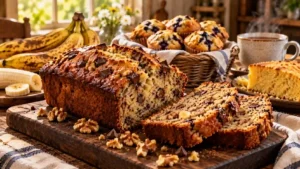
A crisp romaine salad tossed with our zesty caesar salad recipe dressing cuts through rich cheeses and eggs effortlessly. In addition, serving bowls of fresh ruby grapefruits, sliced strawberries, or a warm fruit compote refreshes the palate. If you crave sweet morning baking, pair your savory casserole with a warm loaf from our celebrated banana bread recipe collection.
Furthermore, serving light seafood skewers from our ten-minute shrimp recipes guide creates an extravagant, multi-course weekend buffet. Hot black coffee and freshly squeezed citrus juices complement rich egg bakes beautifully. Harmonious accompaniments elevate casual home cooking into an unforgettable culinary celebration.
Commercial Hospitality Careers in Brunch Operations and Catering
Mastering high-volume breakfast fabrication, egg custard balancing, and banquet buffet management are core competencies evaluated across the global hospitality sector. In luxury international hotel chains, boutique brunch cafes, and large catering firms, breakfast chefs execute hundreds of covers daily.
Talented short-order cooks, banquet prep supervisors, and kitchen managers enjoy robust recruitment demand across major gastronomic hubs like Dubai. If you are exploring professional vocational paths in gastronomy, review our comprehensive guide on hospitality tourism jobs. In addition, executive chefs and restaurant operations directors command prestigious compensation packages. Explore executive salary scales in our guide to the highest paying jobs.
Furthermore, restaurant networks rely on temperature-controlled warehousing to store fresh dairy, eggs, and produce safely. Candidates interested in supply logistics can explore opportunities in our guide on dubai warehouse logistics jobs. Dedicated culinary staff can advance into corporate leadership roles through strategic career change growth. Many international culinary talents relocate using our guide to work abroad. You can study statutory labor standards in our analysis of the labour law uae.
Frequently Asked Questions About Breakfast Casseroles and Quiches
Can I freeze an unbaked breakfast casserole?
It is best to freeze casseroles after baking rather than raw. Unbaked egg mixtures can separate and turn watery during thawing. Bake the casserole completely, cool, slice into portions, and freeze in airtight containers for up to two months.
How do I know when my breakfast casserole is done baking?
Insert a thin knife or toothpick into the center of the casserole; it should come out clean without wet liquid egg. In addition, the center should feel gently firm to the touch and an instant-read thermometer should register 74°C (165°F).
Can I make a quiche without heavy cream?
While heavy cream produces the silkiest texture, you can substitute whole milk or half-and-half. However, if using whole milk, add one extra egg yolk to provide sufficient fat and structure for the custard.
How do I reheat leftover breakfast casserole without drying it out?
Cover leftover casserole with aluminum foil and reheat in a preheated 175°C (350°F) oven for fifteen minutes. The foil traps steam, restoring warmth and moisture without scorching the top cheese layer.
Mastering this classic breakfast casserole recipe gives you the culinary confidence to prepare comforting, golden, and restaurant-quality morning feasts right in your own kitchen. By respecting custard ratios, pre-cooking watery vegetables, and embracing make-ahead chilling, you can create extraordinary culinary feasts that bring loved ones together. For additional culinary tutorials, kitchen advice, and verified lifestyle guides, connect with our specialist team via the Gulf Lights contact page. Discover more inspirational cooking articles on the Gulf Lights blog.